

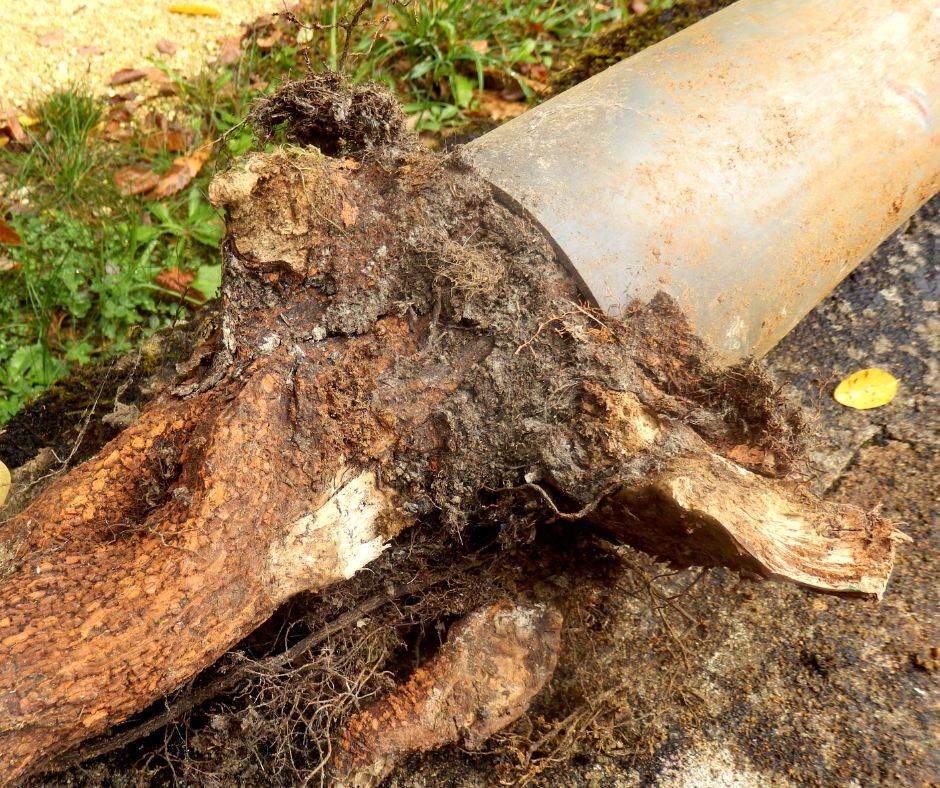
You’ve had your drain cleared multiple times in the past six months, perhaps even three times. Each time, a tradesperson extracts a tangled mass of fine roots, the drain flows freely for a short while, and then, weeks or months later, you find yourself back where you started. Dealing with tree roots in Wollongong drains requires more than a single solution. Here’s a look at why they keep returning and what can effectively break the cycle.
Understanding Why Tree Roots Target Wollongong Drains
Wollongong’s older suburbs, such as Coniston, Mount Keira, Mangerton, and parts of Figtree, provide ideal conditions for root infiltration into pipes. Many homes in these areas rely on outdated sewer technology, including vitrified clay or earthenware pipes joined with mortar. These joints are often the weak spots. Over time, the mortar breaks down, creating hairline gaps that roots can exploit.
Interestingly, roots are not searching for sewage; they are seeking moisture. Even the smallest micro-crack or loose joint can leak water vapour, especially during dry periods. Once inside the pipe, roots discover a continuous supply of water, nutrients, and warmth, which encourages rapid growth.
The types of trees that frequently cause issues in Wollongong include:
- Camphor laurel: This tree has an extensive root spread and is an aggressive water seeker, making it a leading culprit in older Illawarra gardens.
- Jacaranda: While they are visually appealing, these trees have shallow root systems that spread widely, creating drainage problems.
- Liquidambar: Commonly found in Wollongong’s streets, these trees have surface-rooted systems that can invade drains.
- Willows (near water): Known for their invasive roots, particularly around Lake Illawarra.
- Figs: Strangler figs can severely damage any pipe they encounter.
- Gum trees: Various eucalyptus species across the escarpment suburbs contribute to root issues.
Reasons Your Drain Continues to Get Blocked
- The blockage was cleared, but the underlying issue remains: A drain-clearing machine may cut roots flush with the pipe wall, but new roots can regrow through the same cracks within weeks.
- The pipe is structurally compromised: If there is a significant break, root cutting alone won’t provide a long-term solution; the pipe requires proper repair.
- Multiple entry points: After experiencing multiple blockages, roots may be entering through two or three different locations, not just one.
- Soil around the pipe has shifted: Pipe joints that were once tight can loosen due to soil settlement, particularly in the sandy or reactive clay common in the Illawarra region.
Why Investing in a CCTV Drain Inspection Is Essential
Before you spend another dollar on emergency drain clearing, consider a CCTV camera inspection. This method reveals exactly where the roots are penetrating, the condition of the pipe along its length, and whether the problem stems from a single faulty section or a more extensive pipe nearing the end of its lifespan. For around $350, a standard residential drain inspection in Wollongong provides valuable insights, allowing for a strategic plan rather than another temporary fix.
Effective Solutions to Prevent Recurring Blockages
Hydro-Jetting and Root Inhibitor Treatment
For pipes that remain structurally sound but have minor root intrusion, high-pressure hydro-jetting starting from $450, followed by a root inhibitor treatment, can effectively clear the line and delay regrowth. This method is a maintenance strategy and typically provides relief for 12 to 24 months before another treatment is necessary. It serves as a good interim solution while you save for a permanent fix.
Trenchless Pipe Relining
Pipe relining offers a modern solution for compromised drains. This process involves inserting a resin-impregnated liner into the existing pipe, which is then cured in place, creating a new pipe within the old one. This method requires no excavation and preserves your garden. Prices for a short residential run in Wollongong start at $2,500, with costs increasing based on length and accessibility. The seamless relined pipe features no joints, making it resistant to root intrusion, and comes with a 50-year manufacturer warranty.
Full Pipe Replacement Through Excavation
If the pipe has collapsed, the length is too great for a single liner, or there are alignment issues, replacement becomes necessary. Starting from $4,500 for a straightforward section, costs can escalate quickly if the run is deep, underneath concrete, or requires tight access. While excavation is invasive and time-consuming, it may be the only option for severely damaged pipes.
Tree Removal — When It’s Necessary
In some cases, the offending tree is the root of the problem, and no amount of pipe work can resolve the issue. A 30-year-old camphor laurel located just two metres from your sewer line will continue to exploit any cracks it can find. Tree removal requires the expertise of an arborist and may need approval from Wollongong City Council if the tree is on a protected species list. A combined approach—relining the pipe and removing the problematic tree—often provides the most effective long-term solution.
CS Plumbing’s Recommendations Based on Your Drain Condition
- First blockage: Clear the drain, perform a CCTV inspection, and assess the situation before committing to a major repair.
- Two or three blockages in a year: Stop clearing and start addressing the issue. Regular use of a drain machine simply postpones the inevitable costs.
- Pipes older than 40 years: Relining is likely the best option, as original earthenware pipes will continue to fail.
- If you can identify the problematic tree: Consult with an arborist for their input alongside plumbing advice. Removing one tree is often the most cost-effective long-term solution.
Common Questions About Tree Roots and Drains
How Can I Tell If My Drain Blockage Is Caused by Tree Roots?
Look for symptoms such as slow drainage in multiple fixtures over time rather than immediately, gurgling noises, sewer odours in the yard after rainfall, repeated blockages at the same location, and unusually lush green patches in the lawn above the drain line. The best way to confirm root intrusion is through a CCTV inspection.
What Are the Costs for Clearing Tree Roots From a Drain in Wollongong?
Standard root clearing starts from $450 in Wollongong for residential access. A CCTV inspection costs about $350, while hydro-jetting combined with a root inhibitor treatment ranges from $600 to $900. These figures represent clearing costs, not repair costs; if the pipe is damaged, you could be facing temporary solutions.
Does Copper Sulphate Permanently Eliminate Tree Roots?
No, while copper sulphate can kill the roots inside the pipe at the time of application, new roots will regrow through the same cracks. It serves as a maintenance solution rather than a permanent fix. Both Sydney Water and most NSW councils now limit the frequent use of copper sulphate due to its potential impact on waterways. For longer-lasting results, commercial root inhibitors containing dichlobenil are available, though these still require periodic maintenance.
Is Pipe Relining a Better Option Than Replacement?
In most cases, yes. Pipe relining typically costs about half as much as full excavation and replacement, takes only one day to complete instead of three to five, and does not disrupt your garden, driveway, or paving. A relined pipe comes with a 50-year warranty and has no joints, preventing new root intrusion. Replacement should only be considered if the pipe has collapsed or if there are alignment issues that cannot be corrected through relining.
Am I Responsible If My Tree Damages a Neighbour’s Drain?
Possibly. According to common law in NSW, if a tree on your property damages a neighbour’s drain, you may be liable. Rulings from Sydney Water and the NSW Land and Environment Court have varied based on whether the tree was deemed a known risk and the condition of the affected pipes. It’s wise to manage trees near boundary sewer lines before issues escalate.
Do I Need Council Approval To Remove a Tree?
Yes, in Wollongong, you need approval if the tree is on Wollongong City Council’s protected species list or exceeds the size threshold (typically 3 metres tall or 5 metres in canopy spread). The council has a Tree Management Permit process. Some trees can be removed without a permit if they are dead, dangerous, or fall under non-protected species criteria. Always check Wollongong City Council’s tree management page first.
How Quickly Can CS Plumbing Respond to a Blocked Drain Emergency?
CS Plumbing services all of Wollongong and the Illawarra, including Shellharbour, Albion Park, Dapto, Figtree, Mount Keira, and Bulli. We offer same-day emergency response throughout the region during business hours. If your blockage is causing overflow or backing up into your home, contact us immediately.
Break the Cycle — Get an Accurate Diagnosis Today
If you’re frustrated with repeatedly clearing the same drain every six months, schedule a CCTV inspection with CS Plumbing. We’ll provide a clear understanding of what’s happening beneath the surface, identify the root causes, and outline your real options. Experience hassle-free service without high-pressure sales tactics or hidden costs. Request a quote or get in touch with our team directly.
Original Article First Published At: Tree Roots In Your Wollongong Drains — Why It Keeps Coming Back


This is such an interesting point about tree roots and drainage issues in places like Wollongong. Living in an older suburb myself, I’ve seen firsthand how outdated plumbing can become a real headache. It’s wild to think that while we’re trying to clear our drains, the roots are just looking for a drink!
It’s interesting to see how something as seemingly simple as tree roots can have such a big impact on our home infrastructure! I live in a similar area with older plumbing, and I faced a similar issue. What really struck me was learning that roots are just after moisture, not the sewage itself. It does make you think about how natural processes can inadvertently cause headaches for homeowners. Have you thought about the benefits of using modern pipe materials? I’ve heard lining older pipes with newer tech can be a game changer. It feels like a much longer-term solution than just clearing out roots repeatedly—trying to break that cycle instead of just managing it. Would love to hear what others think!