

You diligently brush your teeth twice daily, wash your face, and likely follow a skincare routine. However, when was the last time you took the time to properly clean your eyelids? This often overlooked aspect of personal hygiene can have significant impacts on your eye health.
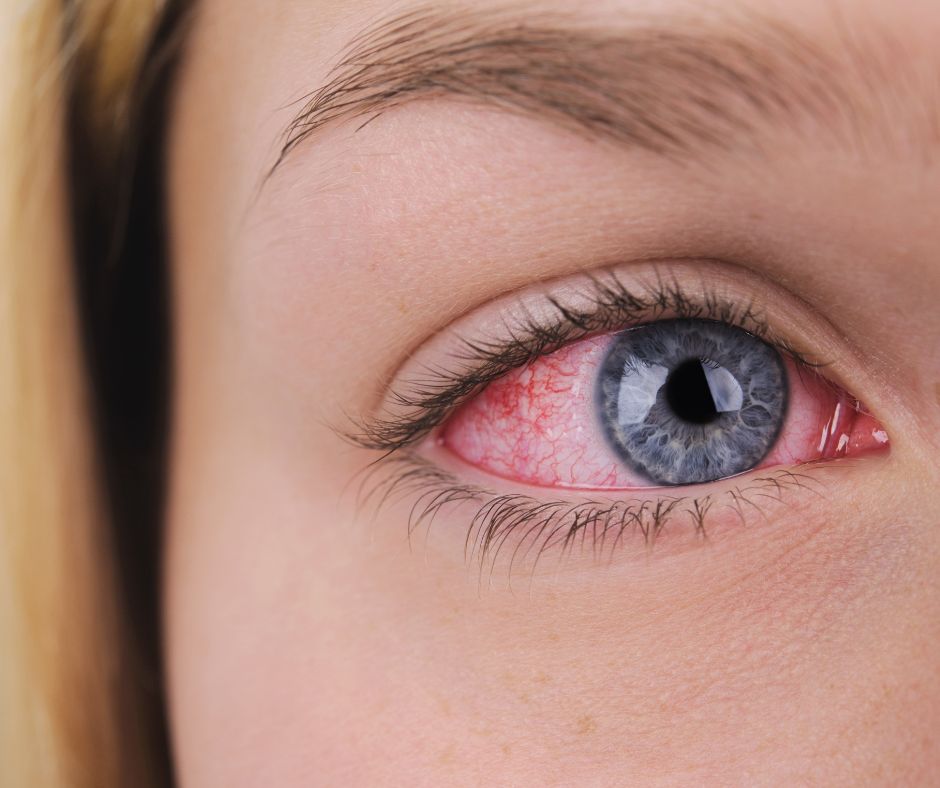
For many individuals, the honest answer is “never.” This lack of attention to eyelid cleanliness may explain why some experience persistent issues like red, gritty, or irritated eyes, often without a clear cause. These symptoms can lead to discomfort and may indicate underlying conditions that need addressing.
As optometrists, we frequently engage in discussions concerning eyelid hygiene. This article outlines the importance of maintaining clean eyelids, effective cleaning methods, and the daily routine we recommend to our patients for optimal eye health.
Understanding the Complexities of Your Eyelids
Your eyelids are more than just simple skin coverings. Along the lash line, you’ll find numerous tiny oil glands known as the meibomian glands. These glands are vital as they produce the oil layer of your tear film, crucial for maintaining eye moisture. Additionally, each eyelash has its own sebaceous gland at its base, contributing to a thin, healthy film that keeps your eyes comfortable and functioning properly.
When left uncleaned, this delicate area collects a mixture of:
- Dead skin cells and debris
- Bacteria, mostly benign, but some can be harmful
- Residual makeup that hasn’t been adequately removed
- Environmental pollutants and pollen
- Demodex mites (yes, they are real, and most adults host them)
When this buildup is allowed to accumulate, several issues can arise. The meibomian glands may become clogged, hindering their ability to produce essential oil and leading to meibomian gland dysfunction (MGD), which is a primary cause of evaporative dry eye. Additionally, inflammation along the lash line can develop, resulting in blepharitis. Occasionally, blocked glands may become infected, resulting in a stye. Furthermore, chronic low-grade irritation can persist, undermining your comfort without ever escalating to an acute emergency.
The solution for most of these issues is surprisingly straightforward: practice regular eyelid cleansing. However, “clean” doesn’t simply mean splashing some water on your face. It requires the right product, applied in the right manner, as part of a dedicated routine.

Exploring Different Types of Eyelid Cleansers and Their Uses
It’s important to note that not all eyelid cleansers serve the same purpose. Here’s a breakdown of the different types available and their specific uses.
Foam Cleansers: Effective Daily Maintenance
A gentle foam cleanser that you massage along the lash line and rinse off is ideal for daily maintenance and general eyelid hygiene. This type of cleanser works particularly well for individuals who prefer a “washing” action and desire a familiar cleansing experience.
Convenient Pre-Moistened Wipes for On-the-Go Care
These are individually wrapped sachets containing a pre-soaked wipe with the cleansing solution. They offer a convenient, hygienic, and portable option, making them perfect for travel or for those who want to complete their eyelid hygiene routine in a matter of seconds. Simply use one and dispose of it, ensuring you maintain cleanliness wherever you go.
Hypochlorous Acid Sprays: Gentle Antimicrobial Solutions
These antimicrobial sprays effectively eliminate bacteria on the eyelid surface without the need for scrubbing. You simply spray it onto closed eyelids, allow it to dry, and you are done! This method is gentle enough for sensitive skin and is particularly beneficial for managing blepharitis or for post-surgical eyelid care.
Specialised Demodex Cleansers for Targeted Treatment
These cleansers contain 4 Terpineol, which is derived from tea tree oil and specifically targets demodex mites. Regular tea tree oil can be too harsh for the delicate eyelid skin, so it’s crucial to use products formulated specifically for this purpose. If your optometrist has identified demodex as a contributor to your eyelid issues, this is the category of cleansers you should consider.
Healing Manuka Honey Products for Inflamed Skin
Medical-grade manuka honey is known for its antibacterial properties, making it an excellent choice for soothing inflamed skin. Eyelid creams incorporating this ingredient can effectively calm stubborn, inflamed eyelids, especially when applied overnight.
Establishing an Effective Daily Eyelid Hygiene Routine
Implementing a proper eyelid hygiene routine is essential for success; it only works if you actually commit to it. The routine must be straightforward enough to incorporate into your daily life without difficulty.
Step 1: Apply a Warm Compress for 5 to 10 Minutes. Using a heated eye mask or a warm flannel helps to soften the hardened oils within the meibomian glands and loosens any crusted debris along the lash line. This preparatory step enhances the effectiveness of your cleaning process. Many people who try eyelid hygiene give up because they skip this crucial step.
Step 2: Clean Gently Along the Lash Line. With your chosen cleanser (be it foam, wipe, or spray), gently work along the base of both the upper and lower lashes. Your aim is to dissolve the buildup, not to scrub aggressively. Be thorough yet gentle, as the skin surrounding the eye is the thinnest on your body and requires tender care.
Step 3: Perform a Gentle Massage. Using clean fingertips, lightly stroke the upper eyelids downward and the lower eyelids upward. This technique aids in expressing the softened oils from the glands, which have been loosened by the heat.
Step 4: Rinse as Necessary. Foam cleansers can be rinsed off with warm water, while sprays and wipes do not require rinsing. After cleaning, pat your eyelids dry with a clean towel.
How Often Should You Clean Your Eyelids? If you’re dealing with active blepharitis, MGD, or recurring styes, aim for daily cleaning for at least the first few weeks. Once your condition stabilises, three to four times a week is typically sufficient for most individuals. Your optometrist will advise you on when to reduce the frequency based on your progress during your next appointment.
Our Recommended Eyelid Care Products and Their Specific Uses
We don’t carry every eyelid cleanser available on the market. Instead, we focus on the products we believe are most effective and beneficial for our patients, along with the reasoning behind each selection.
For Daily General Eyelid Hygiene: Top Recommendations
OcuSoft Lid Scrub Plus: These pre-moistened pads contain a gentle surfactant designed to dissolve oil and debris effectively. The “Plus” formula offers antibacterial action for moderate to persistent buildup. We frequently recommend this product to new patients starting their eyelid hygiene routine as it’s easy to use and addresses various situations.
OcuSoft Lid Scrub Plus Sachets: This offers the same formulation in individually wrapped sachets, making it ideal for travel, handbags, or desk drawers. We suggest this option as a supplementary product for patients looking to maintain their routine while away from home.
The Eye Doctor Lid Cleanser: A foam cleanser designed for those who prefer a traditional “wash and rinse” method over wipes. Simply apply, massage, rinse, and pat dry. This product pairs well with the Eye Doctor heated eye masks if you are building a comprehensive eyelid care routine.
For Antimicrobial Treatment of Eyelids
OcuSoft Hypochlor Spray: This hypochlorous acid spray is easy to use—just spray it onto closed eyelids and allow it to dry. There is no scrubbing or rinsing required, and it is sting-free. We frequently recommend this for patients experiencing active blepharitis or recurrent styes, as it effectively reduces bacterial load without irritating already inflamed skin.
Targeted Solutions for Demodex Mites
Oust Demodex Cleanser (50ml): This product contains 4 Terpineol, specifically formulated to target demodex. If your optometrist has identified demodex as a contributing factor to your eyelid issues, this is the most frequently recommended product. Use it daily for the first month, and your optometrist will advise whether to taper off based on your condition.
Oust Demodex Eyelid Cleanser Wipes (30pk): This product features the same active ingredients in a pre-moistened wipe format, making it convenient for travel or for patients who find the bottle format cumbersome.
Addressing Inflamed, Stubborn Eyelids
Optimel Manuka Eyelid Cream: This cream incorporates medical-grade manuka honey. When applied to closed eyelids before bedtime, it soothes and calms inflamed skin overnight. We often recommend this for patients whose blepharitis does not respond solely to cleansing, as it serves as an adjunct treatment rather than a replacement.
Cleansing Solutions for Makeup Wearers
Eyes Are The Story Eye Proof Facial Cleanser: For those who wear eye makeup, properly removing it is the essential first step in any eyelid hygiene routine. This cleanser has been specifically developed with ophthalmologists to effectively remove makeup while ensuring the delicate periocular skin and tear film remain undisturbed. It pairs seamlessly with the rest of the Eyes Are the Story range for individuals who regularly apply eye makeup.
Recognising When to Consult Your Optometrist
While a daily eyelid routine is effective for maintenance and mild conditions, certain situations warrant a closer examination:
- Crusty or flaky eyelids that persist despite consistent cleaning
- Recurring styes (more than one or two occurrences within six months)
- Ongoing redness along the lash line
- Lashes falling out or growing in unusual directions
- Persistent itching that does not improve with cleansing
- Any sudden changes in comfort or vision
Schedule an appointment with us to assess your eyelids under a slit lamp. We will check for demodex, evaluate the condition of your meibomian glands, and tailor the routine to suit your specific needs, rather than relying on generalised suggestions from the internet.
Need Assistance in Creating the Ideal Eyelid Care Routine?
Maintaining eyelid hygiene is one of those crucial practices where the appropriate routine varies based on your individual eyelid conditions. Book an appointment at our Central Coast practice, and we will conduct a comprehensive assessment of your eyelids, identify the underlying issues, and develop a tailored daily routine that incorporates the most effective products for your needs.
Explore Our Range of Eyelid Care Products
Schedule an Appointment with Our Optometrists
Answers to Common Eyelid Hygiene Questions
Is Daily Eyelid Cleaning Really Necessary?
If you are experiencing active blepharitis, MGD, recurring styes, or demodex, then yes, incorporating daily cleaning is fundamental to your treatment plan. Once the condition stabilises, three to four times a week is typically sufficient for maintenance. Your optometrist will provide guidance on when to reduce the frequency based on the appearance of your eyelids during follow-up visits.
What Sets Blepharitis Apart from Dry Eye?
Blepharitis refers to inflammation of the eyelids themselves, particularly along the lash line, while dry eye is characterised by a dysfunctional tear film. These two conditions frequently overlap, as blepharitis can obstruct the meibomian glands, leading to evaporative dry eye. Many patients experience both issues simultaneously, and addressing the blepharitis often results in improvements in dry eye symptoms as well.
Is Baby Shampoo an Acceptable Substitute for Eyelid Cleaners?
While baby shampoo was once a common recommendation, it has largely been supplanted by specialised eyelid cleansers. Baby shampoo is not pH balanced for the ocular surface, can disrupt the tear film, and lacks active ingredients that target bacteria or demodex. If budget constraints are a concern, baby shampoo may be better than nothing, but using a proper eyelid cleanser is generally the best approach.
How Long Before I Can Expect to See Results?
For most mild to moderate cases, patients typically notice a reduction in grittiness and less redness within two to three weeks of consistent daily cleaning. However, severe cases, demodex infestations, and chronic blepharitis may require longer treatment durations. It’s advisable to allow six to eight weeks of daily use before evaluating the effectiveness of a cleanser. Consistency in your routine is more important than the intensity of treatment.
Are Demodex Mites a Genuine Concern?
Yes, they are real and found on nearly everyone. In small quantities, they are harmless; however, in larger numbers, especially in conjunction with conditions like blepharitis or rosacea, they can contribute to eyelid inflammation, itching, and recurrent styes. We routinely check for them during clinical examinations using a slit lamp. If demodex is identified as a contributing factor to your eyelid issues, a dedicated demodex cleanser is typically the most effective treatment option.
Can I Maintain Eyelid Hygiene While Wearing Contact Lenses?
Absolutely, and in fact, you should. Contact lens wearers can significantly benefit from eyelid hygiene, as wearing lenses can exacerbate meibomian gland dysfunction over time. Be sure to clean your eyelids before inserting your lenses, and allow your eyelids to dry completely before lens application.



I really appreciate you shedding light on the importance of eyelid hygiene! It’s fascinating how we often overlook such a delicate yet vital part of our bodies in our daily routines. I have to admit; I’ve been one of those people who seldom considered my eyelids in the context of personal care. After reading your article, I realized just how much we take our eyes for granted, even when they clearly signal that they need a bit more TLC.
Ah, the neglected eyelids! It’s like having a VIP section at a concert and forgetting to check the guest list. I’ll admit, eyelid cleaning has always been off my radar. I mean, I’m busy with my skincare routine trying to keep my face from looking like a crumpled potato sack!
You raise an essential yet often neglected point about eyelid hygiene. It’s interesting how we tend to prioritize facial cleansing yet overlook the delicate skin around our eyes. In my experience, I’ve found that incorporating a gentle eyelid scrub into my routine has made a noticeable difference in comfort and clarity.