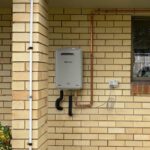

No hot water. You check the unit. The pilot light is out. Again.
Before you start jabbing buttons, it’s essential to understand what’s actually happening inside your gas hot water system. Most people have never examined how these systems operate — and that’s perfectly fine, as you shouldn’t have to. However, grasping the fundamentals allows you to determine whether you can simply relight it or if it requires the expertise of a licensed gas fitter.
Let’s delve into what’s going on and how to address it.

Understanding the Functionality of a Gas Hot Water Pilot Light
Three critical components are vital to your gas hot water system: the pilot flame, the thermocouple, and the gas valve. These elements operate in a simple yet effective loop.
The pilot flame is a small, continuous gas flame that remains lit at all times. Its primary function is to ignite the main burner when your system requires heating water.
The thermocouple is a slender metal rod positioned directly within the pilot flame. As the flame heats this rod, it generates a minuscule electrical signal — measured in millivolts. This signal is relayed to the gas valve, indicating that “the pilot is lit, and it’s safe to allow gas flow.”
The gas valve receives this signal, remaining open to permit gas flow. Consequently, the pilot remains lit. When you activate a hot tap, the thermostat prompts the main burner to ignite, ignited by the pilot flame, thereby heating your water.
If any component of this loop malfunctions — whether the thermocouple fails, the flame is extinguished, or the gas valve misbehaves — the system automatically shuts off the gas as a safety precaution. Without a pilot flame, hot water is unavailable.
This is the situation you’re facing. Now let’s explore the reasons behind it.
Identifying Reasons Your Pilot Light Keeps Going Out
There are five prevalent causes for this issue, ranging from a quick solution to a discussion about replacement.
1. Worn-Out Thermocouple: The Most Common Culprit
The failure of the thermocouple is the most frequent reason for a malfunctioning pilot light. Over time, thermocouples degrade as the tip suffers from ongoing heat exposure, ultimately failing to generate sufficient voltage to keep the gas valve open. In such circumstances, the pilot may ignite for a few moments and then extinguish promptly as soon as you release the button.
Replacing a thermocouple is generally a straightforward task for a licensed gas fitter and is considered one of the more affordable repairs within a gas hot water system.
2. Wind or Draughts: A Common Issue
If your hot water unit is situated in an exposed area — such as the side of the house, beneath eaves that channel wind, or near a garage door — a strong gust can easily extinguish the pilot. This scenario is particularly common in Sydney’s coastal suburbs, especially around the Shire, where consistent onshore winds prevail, and in areas adjacent to bushland where wind can funnel through.
When wind is the issue, the pilot may relight correctly and stay lit until the next significant gust. Installing a wind shield or draught guard around the burner compartment is typically an effective long-term solution.
3. Gas Supply Pressure Issues: A Potential Problem
Low gas pressure can hinder adequate fuel flow to the pilot, preventing a stable flame. This situation might arise from an issue with the gas meter, a partially closed valve somewhere along the line, or a supply disruption from the network. If you notice other gas appliances in your home underperforming — such as a weak cooktop flame or a gas heater failing to heat properly — it’s likely that pressure is the underlying problem.
A qualified gas fitter can easily assess line pressure using a manometer, pinpointing where any drop in pressure is occurring within minutes.
4. Dirty or Clogged Pilot Burner: A Maintenance Concern
The pilot burner features a minuscule orifice through which gas escapes to create the flame. Over time, this orifice can become partially obstructed by dust, cobwebs, and other debris. Such blockage results in a weak, flickering flame that fails to adequately heat the thermocouple. Consequently, the system registers this as a “pilot not lit” condition and shuts off the gas flow.
Cleaning the orifice is a standard procedure included in a typical gas hot water service.
5. Age of the Unit: A Factor in Reliability
Gas hot water systems typically have a lifespan of approximately 10 to 15 years. Once they surpass the 12-year mark, failures in components such as thermocouples, gas valves, burner assemblies, and seals begin to occur more frequently. If your pilot light has extinguished three or four times in the past year on a unit exceeding a decade in age, the cumulative costs of repairs may exceed the unit's overall value.
Can You Relight the Pilot Light Yourself?
Yes — you can relight the pilot light independently. This is the one aspect of a gas hot water system that doesn’t necessitate the involvement of a licensed gas fitter.
Every unit is equipped with relighting instructions, typically printed on a label located on the front panel or inside the access door. It’s crucial to follow the specific instructions for your model, as the steps may vary across different brands. Here’s a general overview of the process:
- Turn the gas control knob to the OFF position. Allow five minutes to pass. This waiting period enables any residual gas in the burner compartment to clear out. Should you detect a gas odour during this time, stop immediately, refrain from touching anything, open doors and windows, evacuate the premises, and contact your gas supplier’s emergency line or 000.
- Turn the knob to the PILOT position.
- Press and hold the knob down (or the separate pilot button, depending on your model). This action manually overrides the gas valve, directing gas to the pilot.
- While holding the knob, press the igniter button (the piezo clicker). You should hear a click and witness the pilot flame igniting through the viewing window. If your unit lacks an igniter, utilise a long-reach lighter at the pilot opening.
- Continue holding the knob for 30 to 60 seconds. This duration allows the thermocouple to heat up sufficiently, generating the necessary signal that informs the gas valve to remain open autonomously.
- Slowly release the knob. If the pilot remains lit, turn the knob to the ON position and adjust your temperature settings. You’re done.
If the pilot does not stay lit after two or three attempts — cease trying. Continuing to attempt relighting indicates that another issue exists, necessitating the expertise of a licensed gas fitter for proper diagnosis and repair.
This is mandatory. In NSW, all gas work beyond simply relighting a pilot light must be performed by a tradesperson holding a Gas Work Licence issued by NSW Fair Trading. All work must conform to AS/NZS 5601 (Gas Installations), and the gas fitter must provide a compliance certificate upon completion. Undertaking unlicensed gas work is illegal, voids your home insurance, nullifies the manufacturer warranty, and poses significant risks of gas leaks, carbon monoxide poisoning, or fire hazards.
Recognising When It’s More Than Just the Pilot Light
At times, the pilot light going out may indicate a more significant underlying issue. Be vigilant for the following signs — if any are present, contact a gas fitter immediately:
Rotten egg smell near the unit. Natural gas is odourless, however, suppliers add a sulphur-like scent (mercaptan) to enable leak detection. If you notice this smell near the unit, you may have a gas leak. Avoid attempting to relight anything. Turn off the gas at the meter, evacuate the area, and call the gas emergency line.
Yellow or orange pilot flame. A healthy pilot flame should be blue with a small yellow tip. If the flame appears yellow or orange, it indicates that the gas is not burning efficiently, resulting in incomplete combustion. This condition produces carbon monoxide, which is both colourless and odourless. A yellow flame requires immediate professional intervention.
Black soot around the burner or flue. The presence of soot suggests that incomplete combustion is occurring at the main burner, not just at the pilot. The unit is generating carbon monoxide and failing to vent properly, which poses a serious safety risk.
Water not reaching full temperature. If the pilot remains lit but your water is only lukewarm, the main burner may not be functioning as it should, or the thermostat could be faulty. In either case, internal components require inspection.
Pilot light going out every few days. If it goes out once, it may be a draught issue; twice could be bad luck. However, if the pilot light extinguishes every few days, this typically indicates a failing thermocouple, a malfunctioning gas valve, or potential ventilation problems. It will not resolve itself.
What Are the Costs Involved?
The costs associated with repairs depend entirely on the underlying issue. The total expense is influenced by the diagnosis, the specific fault, accessibility to the unit, and whether additional components require attention simultaneously. Different brands and models utilise varying parts, which means there is no one-size-fits-all answer.
If the unit is aged and multiple parts are experiencing failures, we will provide an honest, straightforward discussion regarding whether repairing makes sense or if investing in a new system is more beneficial.
Contact us and explain your situation — we’ll give you a clear idea of the costs involved before commencing any work. No guesswork, no surprises.
Making the Right Choice: Repair or Replace?
This is a discussion we frequently have with homeowners. Here’s our perspective:
Repair is advisable when:
- The unit is under 10 years old
- This is the first significant repair
- The fix involves a known wear part (thermocouple, anode rod, element)
- The unit has received regular servicing
Replacement is the better option when:
- The unit is over 12 years old
- You’ve already had two or more repairs in the past 18 months
- The repair quote exceeds one-third of the cost of a new unit
- The unit is exhibiting multiple symptoms (pilot light issues, lukewarm water, and soot accumulation)
- You are considering transitioning to a more efficient system (continuous flow, heat pump)
We are licensed gas fitters and plumbers, capable of managing the entire process — disconnecting the old unit, modifying gas and water lines as necessary, installing the new system, and issuing the compliance certificate. You won’t need to coordinate with another tradesperson.
Common Questions About Gas Hot Water Systems
Is it dangerous if my gas hot water pilot light goes out?
The pilot light extinguishing on its own isn’t immediately dangerous. Modern gas hot water systems incorporate a safety mechanism — the thermocouple. When the pilot flame goes out, the thermocouple cools and ceases to generate the electrical signal that keeps the gas valve open. The valve automatically closes within seconds, cutting off the gas supply to both the pilot and the main burner. This means gas is not freely flowing into your home just because the pilot has extinguished. However, if you detect a gas odour near the unit at any time — whether the pilot is lit or not — treat it as a serious emergency. Turn off the gas supply at the meter, open windows and doors, evacuate the property, and call the gas emergency line or 000 immediately. Do not operate light switches, phones, or any devices that could create a spark while near the unit.
How much does it cost to fix a gas hot water pilot light in Sydney?
The cost is entirely contingent on the reason why the pilot light won’t remain lit. If it simply needs relighting and there aren’t any underlying faults, that’s something you can do yourself at no expense by adhering to the manufacturer’s instructions on the unit. Beyond that, costs are determined by the specific fault, the necessary parts, the brand and model of your unit, and its accessibility. We always conduct a thorough diagnosis before making any recommendations, and we’ll provide an honest assessment regarding whether a repair is feasible or if you should consider investing in a new unit. Contact us for a transparent cost assessment tailored to your situation.
Can I relight the pilot light myself or do I need a gas fitter?
You have the ability to relight the pilot independently. This is the one task associated with a gas hot water system that homeowners are permitted to undertake.
Why does my pilot light keep going out every few days?
A pilot light that consistently extinguishes every few days is likely a sign of a failing thermocouple. It is advisable to engage a gas fitter to inspect the unit and ascertain the root cause of the issue.
How long do gas hot water systems typically last?
A well-maintained gas storage hot water system generally endures for 10 to 15 years. Continuous flow (instantaneous) systems can often last even longer — sometimes 15 to 20 years — due to the absence of a tank, resulting in reduced internal corrosion.
Is a compliance certificate necessary for gas hot water repairs in Sydney?
Absolutely. Under NSW gas safety regulations, a compliance certificate must be issued following any gas work completed. This applies to repairs, replacements, new installations, and modifications to gas lines or appliances. The certificate verifies that the work was performed by a licensed gas fitter, complies with AS/NZS 5601 (the Australian standard for gas installations), and confirms that the system is safe to operate. Your gas fitter should provide this certificate upon job completion — you should not need to request it. Retain this certificate with your home records, as it is important for insurance claims, property transactions, and future warranty claims on the appliance. If a tradesperson performs gas work and does not offer a compliance certificate, it raises a significant red flag. All gas work in NSW must be conducted by an individual holding a Gas Work Licence issued by NSW Fair Trading, and providing the certificate is part of their legal responsibility.
Need Professional Assistance? Contact The Blocked Drain Guys Today!
We are licensed gas fitters and plumbers based in Sydney. If your pilot light refuses to stay lit, your hot water has turned cold, or you simply want a professional to evaluate an ageing unit — give us a call.
We’ll provide detailed information regarding the issue, the associated costs, and whether the repair is worthwhile. No pressure, no unnecessary complications.
Call The Blocked Drain Guys — 0418 408 333 — or book online at theblockeddrainguys.com.au