

You’re boiling the kettle, someone turns on the heater—and suddenly, the power trips again.
This situation is not merely an inconvenience; it can indicate that your home’s electrical system is under stress, outdated, or potentially unsafe. Regularly experiencing power trips is a signal that it’s time to investigate further.
If you’re curious about why this keeps happening in your Brisbane home, the explanation typically revolves around one of these five common issues:
⚡ Quick Summary: Common Reasons Your Power Might Be Tripping in Brisbane
- Overloaded circuits drawing more power than your system can manage
- Faulty appliances with internal electrical faults that compromise safety
- Short circuits, often stemming from wiring issues or geckos infiltrating switchboards or air conditioning units
- Ground faults triggered by water intrusion—especially prevalent in Brisbane’s stormy weather
- Old or non-compliant switchboards lacking safety switches for adequate protection
If you detect burning smells, flickering lights, or if your circuit breaker frequently trips, it’s crucial to reach out to a Brisbane emergency electrician.
Let’s delve into each issue—starting with the most common problem we encounter in Brisbane homes every week.

1. Understanding Overloaded Circuits in Your Home
Overloaded circuits rank as the primary cause of power tripping in modern Brisbane residences.
Each circuit within your home has a specific rating for the amount of electrical current (amperage) it can safely handle.
Have you recently upgraded an appliance or introduced new ones?
When you connect multiple high-wattage appliances on the same circuit—particularly those that generate heat—it can quickly surpass the circuit’s limit.
Identifying Common Overload Areas in Your Home:
Kitchens:
- Kettle (2,000–3,000W)
- Toaster (800–1,500W)
- Microwave (1,000–1,200W)
- Coffee machine
- Air fryer or benchtop oven
Just having two of these appliances running simultaneously on the same circuit can easily trigger the breaker to trip.
Media Rooms / Home Offices:
- Gaming consoles
- High-end PCs or dual monitors
- Portable heaters
- Multi-socket powerboards connecting speakers, chargers, routers
These configurations might seem harmless until everything operates at once—and suddenly, the switchboard can’t keep up.
Laundry:
- Washing machine + dryer combo
- Ironing station
- Dehumidifier or heat pump
Running an iron while drying clothes can push the circuit beyond its limits.
Why Do Overloaded Circuits Occur?
Older switchboards and circuits were never designed to accommodate the energy-hungry appliances of today. A home constructed in the 1980s may have been wired for two TVs and a refrigerator—not the multitude of devices like espresso machines, air fryers, hair dryers, multiple laptops, and electric scooters all operating at once.
Your circuit breaker is performing its function by tripping—preventing overheating and the risk of fire—but if this occurs frequently, your home requires professional assistance.
The solution? Consider a professional switchboard upgrade that ensures proper load distribution. We will evaluate your energy usage, design appliance zones, and guarantee your circuits are safely balanced for optimum performance.
2. Identifying Faulty Appliances in Your Home
Not all electrical faults originate from wiring issues—sometimes, the problem lies within your own appliances.
When a device develops an internal fault, it may leak electricity, cause a short circuit, or create an irregular current that trips your safety switch. This is particularly common in appliances that contain motors, heating elements, or intricate electronics.
How Brisbane’s Humidity Can Lead to Faulty Devices
Following recent heavy rains across Brisbane, we’ve noticed a significant increase in tripping calls related to:
- Washing machines that experience moisture in the control panel or drum sensor
- Fridges or freezers suffering from deteriorating compressors
- Outdoor appliances left exposed to rain or humidity (like bar fridges, electric BBQs, pool pumps)
Even dishwashers can trip a circuit the moment you start the cycle if they’ve been exposed to internal leaks. When moisture penetrates appliance electronics, it disrupts insulation resistance and can cause current to flow along unintended paths—triggering your RCD (Residual Current Device) the instant it detects leakage. It’s your switchboard indicating, “Something’s amiss. Let’s prioritise safety.”
How to Diagnose the Faulty Appliance
Begin with this quick and effective test:
- Unplug every appliance connected to the tripping circuit.
- Reset the breaker or safety switch.
- Plug items back in one at a time while monitoring closely.
As soon as the power trips again, the last item plugged in is likely the cause. If nothing obvious stands out—or if multiple appliances trigger the trip—it may indicate a more serious underlying issue with your wiring or the switchboard itself.
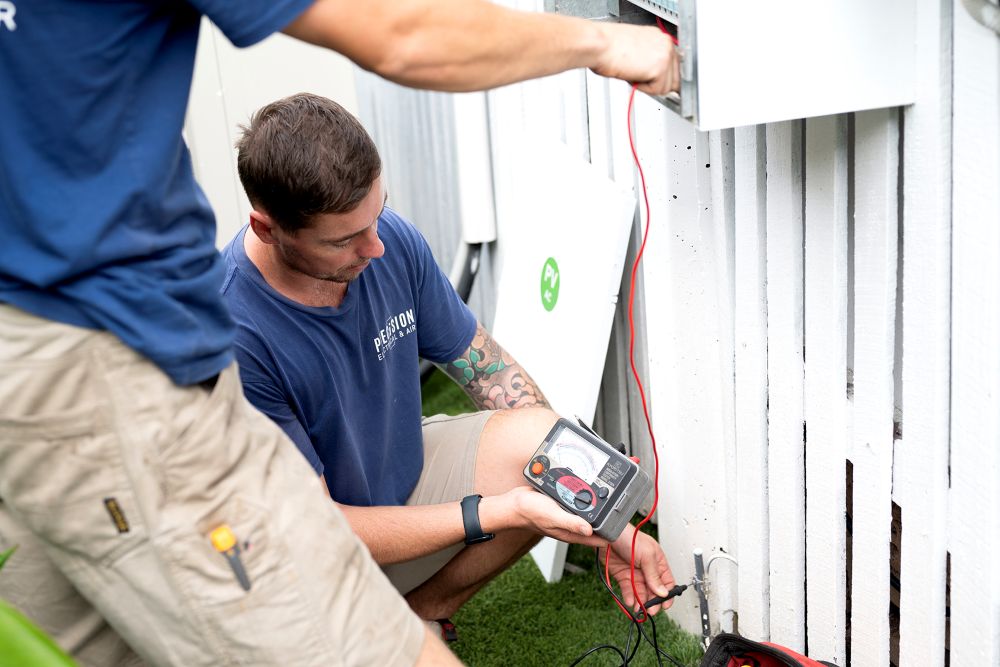
Still uncertain about the problem? Schedule a same-day electrical safety inspection with our Brisbane team.
We’ll conduct tests on your appliances, inspect internal circuits, and assist you in pinpointing the fault without the guesswork.
3. Understanding Short Circuits and the Role of Geckos
A short circuit occurs when live wires make contact with each other or touch something conductive. Typically, this situation arises from worn-out wiring—but in Brisbane, there’s another hidden culprit: geckos.
These reptiles are known to crawl into outdoor air conditioning units and switchboards, particularly at night when they seek warmth. If a gecko contacts two live terminals, it can create a short circuit, instantly tripping your power.
How to Prevent Gecko-Related Short Circuits:
- Apply gecko-proof sealants to vulnerable areas
- Ensure outdoor switchboards and AC units are properly sealed
- Have your air conditioning system inspected for any gaps that may allow entry
Believe it or not, we’ve discovered more than one charred gecko inside Brisbane switchboards.
4. Identifying Ground Faults Caused by Moisture
A ground fault occurs when electrical current escapes into unintended areas—such as wet concrete, metal, or soil. This is a hazardous situation, often triggered by water infiltrating your power points.
Storms, high humidity, and even leaking pool equipment can initiate this issue. If it’s happening outside, it’s wise to check the RCD (safety switch) or arrange for a moisture fault inspection before the situation escalates.
5. Recognising Unsafe or Outdated Switchboards
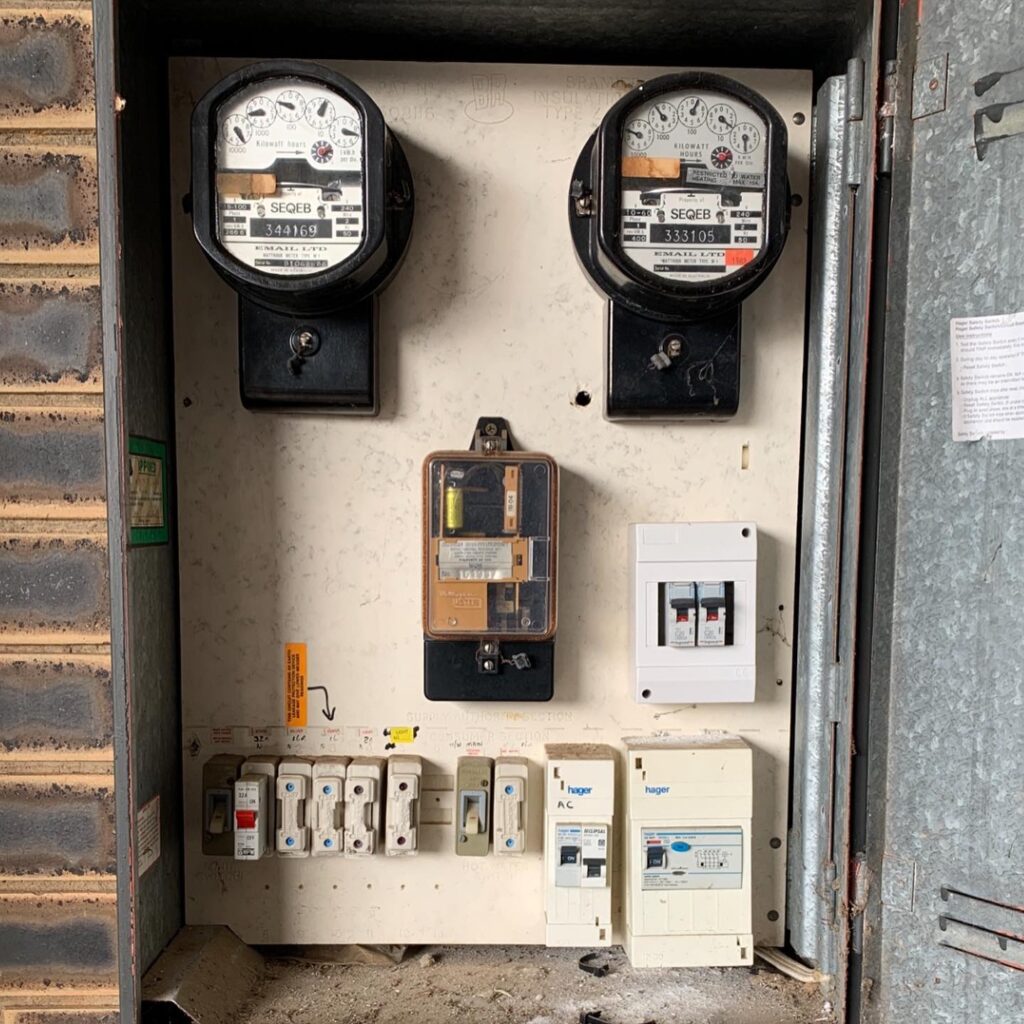
Are you still using ceramic fuses? Do you lack safety switches entirely?
Many Brisbane homes still operate with cotton cabling and have not upgraded their switchboards in decades. These outdated configurations are dangerous and fail to comply with current electrical standards.
Below is a recent switchboard upgrade we conducted—believe it or not, many outdated switchboard models still exist!
We provide modern switchboard replacements equipped with RCD protection to ensure your system meets today’s safety standards.

So… What Are the Main Causes of Power Tripping in Your Brisbane Home?
In 95% of instances, the reasons are:
- Overloaded circuits
- Faulty appliances
- Short circuits (particularly due to geckos!)
- Ground faults from moisture
- Aging switchboards lacking RCD protection
Each of these issues poses a safety risk—and delaying action might cost you more than just a temporary blackout.
Contact Brisbane’s Leading Power-Tripping Specialists
At Precision Electrical & Air, our emergency electricians are available throughout Brisbane 24/7. We address power trips directly at the source—swiftly, safely, and with guaranteed results.
✅ 24/7 emergency service
✅ Licensed & insured electricians
✅ Specialists in switchboards, safety checks, and appliance testing
📞 Call us now or book online for a thorough inspection.
Addressing Your Power Tripping FAQs
Why does my power keep tripping? The most prevalent causes include overloaded circuits drawing more current than they can handle, faulty appliances leaking electricity, short circuits resulting from worn wiring or animals infiltrating switchboards, ground faults stemming from moisture or water intrusion, and outdated switchboards without RCD safety switches. If you’re experiencing this regularly, your home’s electrical system requires professional evaluation.
Why does my circuit breaker keep tripping when I operate multiple appliances? Every circuit has a specific current rating. Modern appliances like air fryers, kettles, coffee machines, and hair dryers consume substantial power—operating several on the same circuit at the same time can easily exceed its capacity, leading to frequent breaker trips. This situation is especially common in older Brisbane homes that were wired prior to the introduction of today’s appliance loads.
Can a faulty appliance cause my power to trip? Absolutely. When an appliance develops an internal fault, it may leak electricity or generate an irregular current that triggers your safety switch. The humidity in Brisbane exacerbates this issue—moisture in washing machine control panels, outdoor bar fridges, pool pumps, and electric BBQs is a frequent cause of tripping after heavy rain. Unplug everything connected to the tripping circuit, reset the breaker, then plug items back in one at a time to identify the culprit.
Can geckos contribute to power tripping in Brisbane homes? Yes—and it happens more often than you might expect. Geckos are attracted to the warmth of outdoor air conditioning units and switchboards during the night. If a gecko contacts two live terminals, it creates a short circuit and trips the power immediately. Implementing gecko-proof sealants and ensuring outdoor units are properly sealed can help prevent this issue.
What is a ground fault and why does it lead to tripping? A ground fault occurs when electrical current escapes into unintended pathways, such as wet concrete, metal, or soil. This situation is hazardous and is often caused by water entering power points during storms, high humidity, or leaking pool equipment. Your RCD safety switch detects this issue and disconnects the power to prevent the risk of electrocution.
How can I tell if my switchboard needs replacing? Signs to look for include ceramic fuses instead of modern circuit breakers, the absence of RCD safety switches, frequent tripping under normal loads, unusual buzzing or burning smells from the panel, and boards that haven’t been updated in over 20 years. Many older Brisbane homes still utilise cotton cabling and switchboards that do not meet current Australian electrical standards.
When should I contact an emergency electrician regarding power tripping? Get in touch immediately if you notice burning smells from the switchboard or walls, see scorch marks or discolouration around power points, observe flickering lights alongside frequent tripping, or if the breaker fails to reset entirely. These symptoms indicate a serious fault that poses a risk of fire or electrocution. Precision Electrical & Air offers 24/7 emergency electrical services across Brisbane.


It’s really interesting how something as simple as a kettle can highlight deeper issues in our homes, isn’t it? I’ve experienced the frustration of power trips too, especially during those humid Brisbane summers when you’re running fans, air conditioning, and all the little gadgets we tend to rely on. It can feel like a whole juggling act!
It’s fascinating to see how often we overlook the intricacies of our home’s electrical systems. Many might not realize that the humble kettle could offer insights into the broader state of our electrical safety. It makes me reflect on how our daily conveniences can sometimes mask deeper issues that deserve our attention.