


Discover How Lighting Shapes and Defines Your Space
The dynamic interplay between functional and aesthetic lighting illustrates the synergy of thoughtful design and practical necessity. When harmoniously combined, these two styles of lighting create environments that not only function efficiently but also evoke a sense of beauty and comfort. At Electrx, we understand that exceptional lighting must achieve both purposes effectively, ensuring that your spaces are not just illuminated but transformed into inviting areas that inspire and engage.
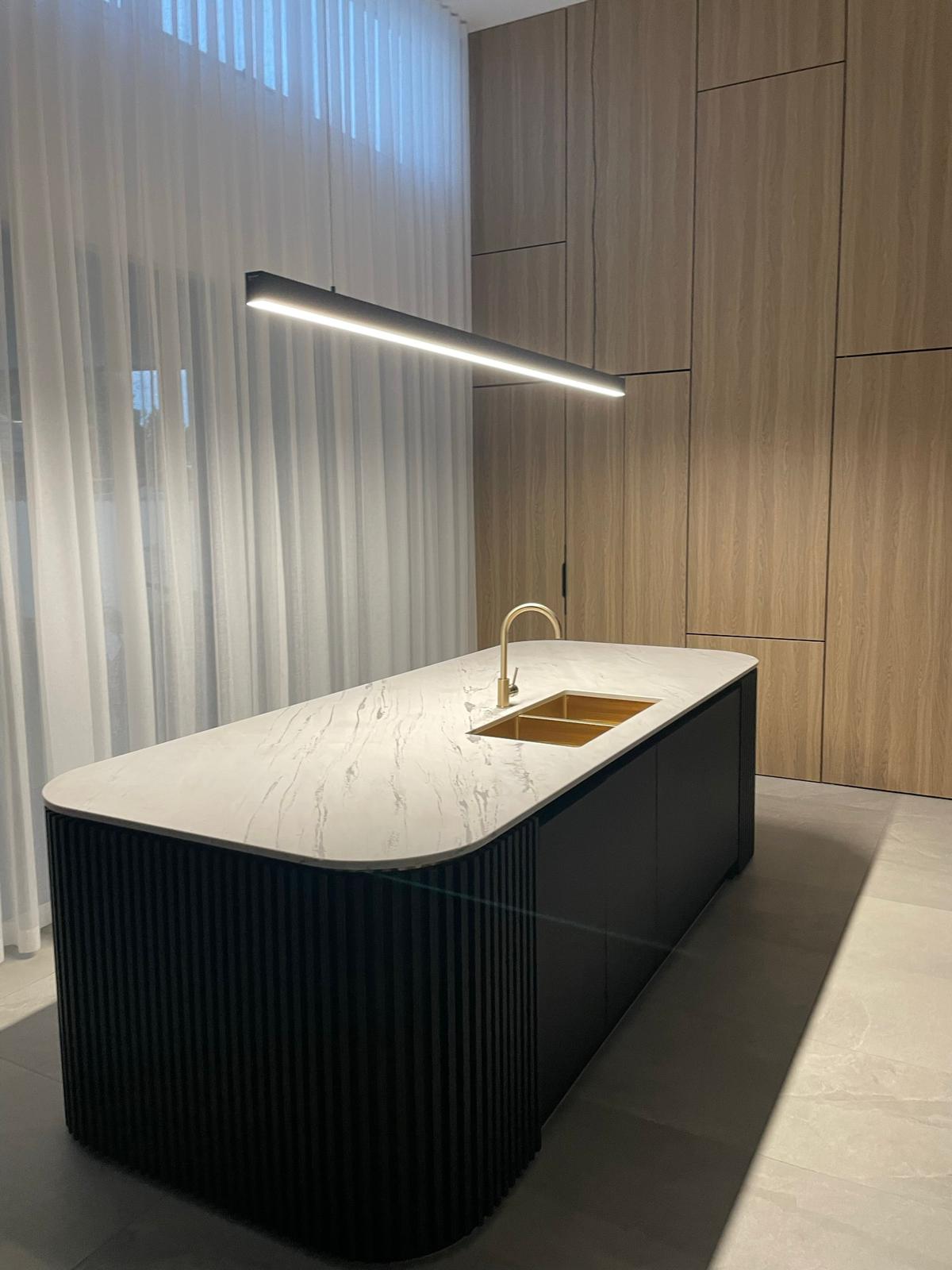
What Is Functional Lighting and Why Is It Essential?
Functional lighting is specifically designed to serve a purpose. This type of lighting ensures that you can see, move, work, and live safely and comfortably in your environment. Typical examples include kitchen task lights, bathroom vanity lighting, and workspace LED panels. Each of these lighting solutions plays a crucial role in enhancing visibility and facilitating daily activities, making them indispensable for any well-designed space.
The different forms of functional lighting include:
- Downlights in kitchens and bathrooms for focused illumination
- Task lighting positioned over benches or desks
- Emergency exit lighting to ensure safety in any situation
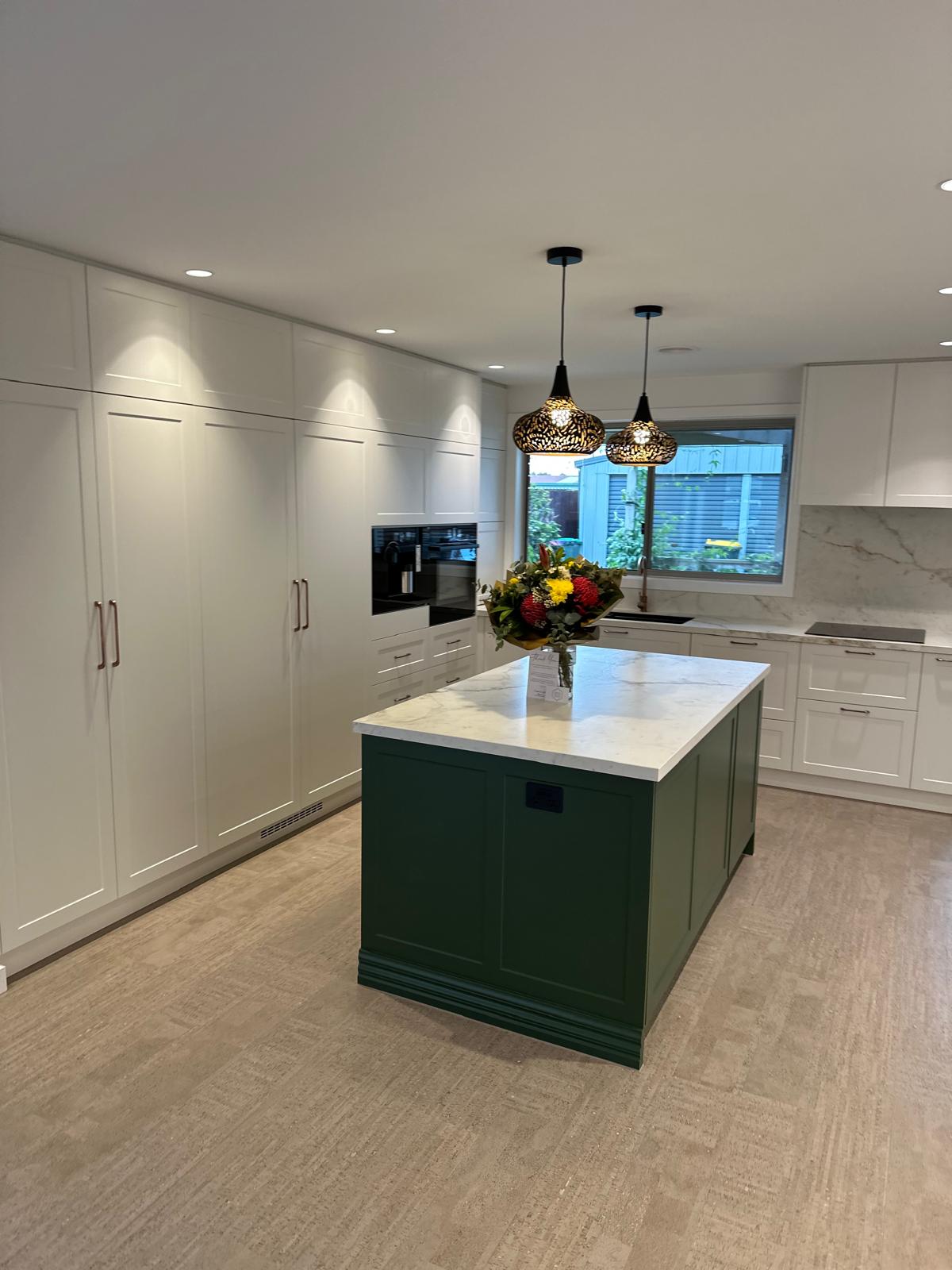
- Pendant lights strategically placed above work areas
- Ceiling-mounted fixtures that provide general visibility throughout the space
Functional lighting is not only essential for safety and usability but also plays a vital role in how you interact with each room throughout the day, making it a key consideration in any lighting plan.
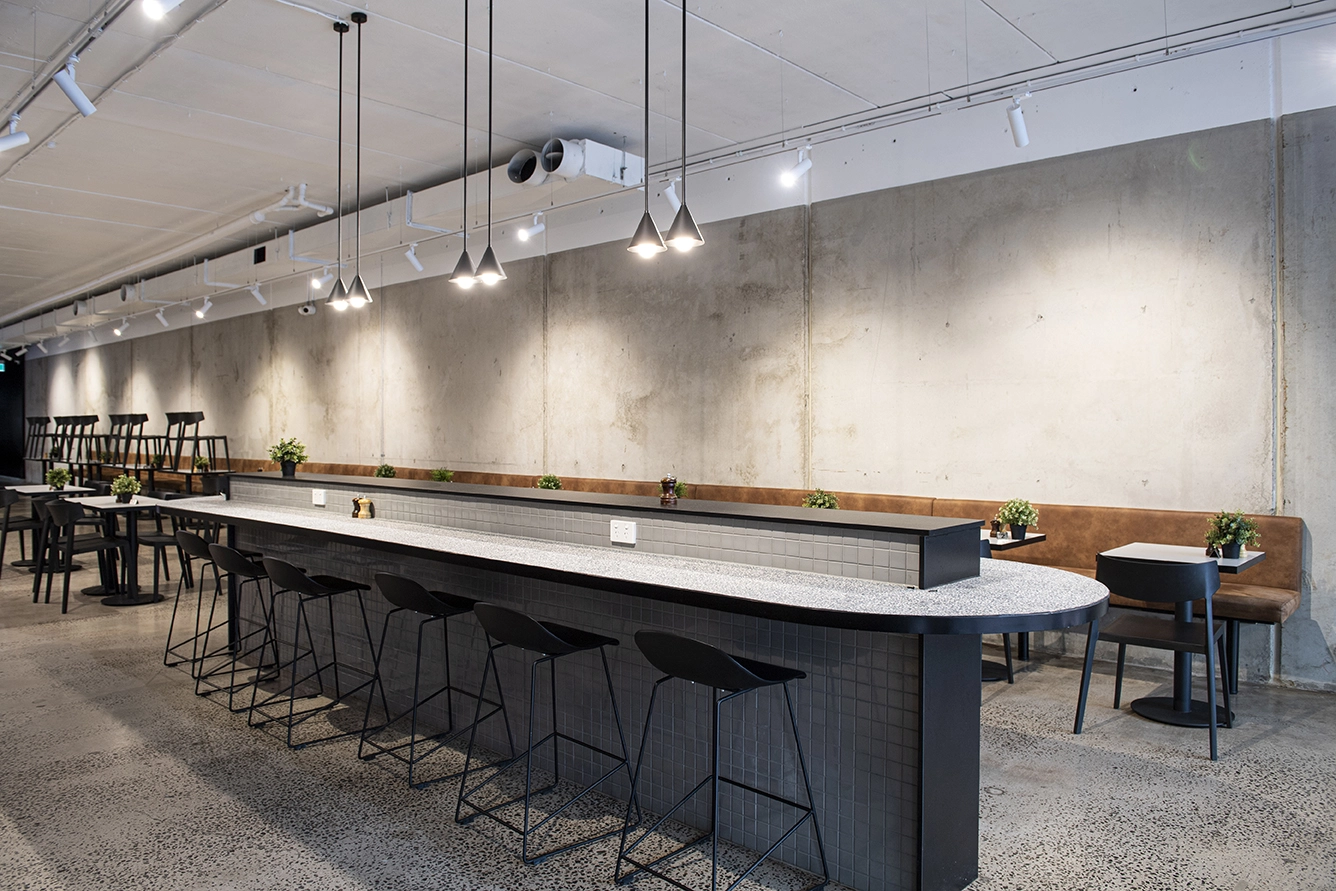
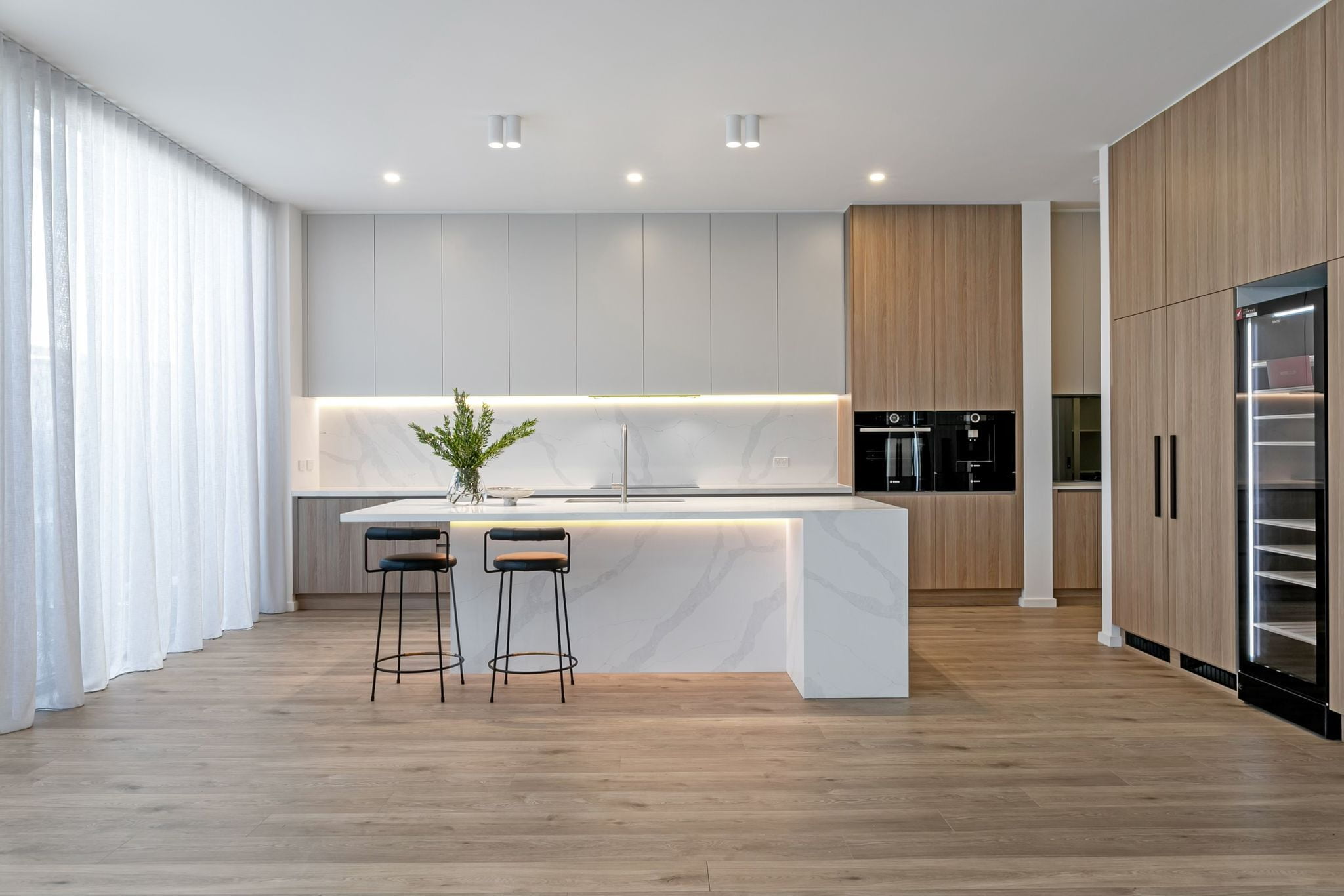
What Is Aesthetic Lighting and How Does It Transform Spaces?
Aesthetic lighting, in contrast, exists primarily to enhance the visual appeal of a space. This type of lighting contributes to the overall mood, accentuates architectural features, and elevates the atmosphere of a room. Aesthetic lighting encapsulates more than just the act of illuminating; it embodies the essence of design.
Examples of common aesthetic lighting include:
- Wall sconces that create layered shadows and add depth
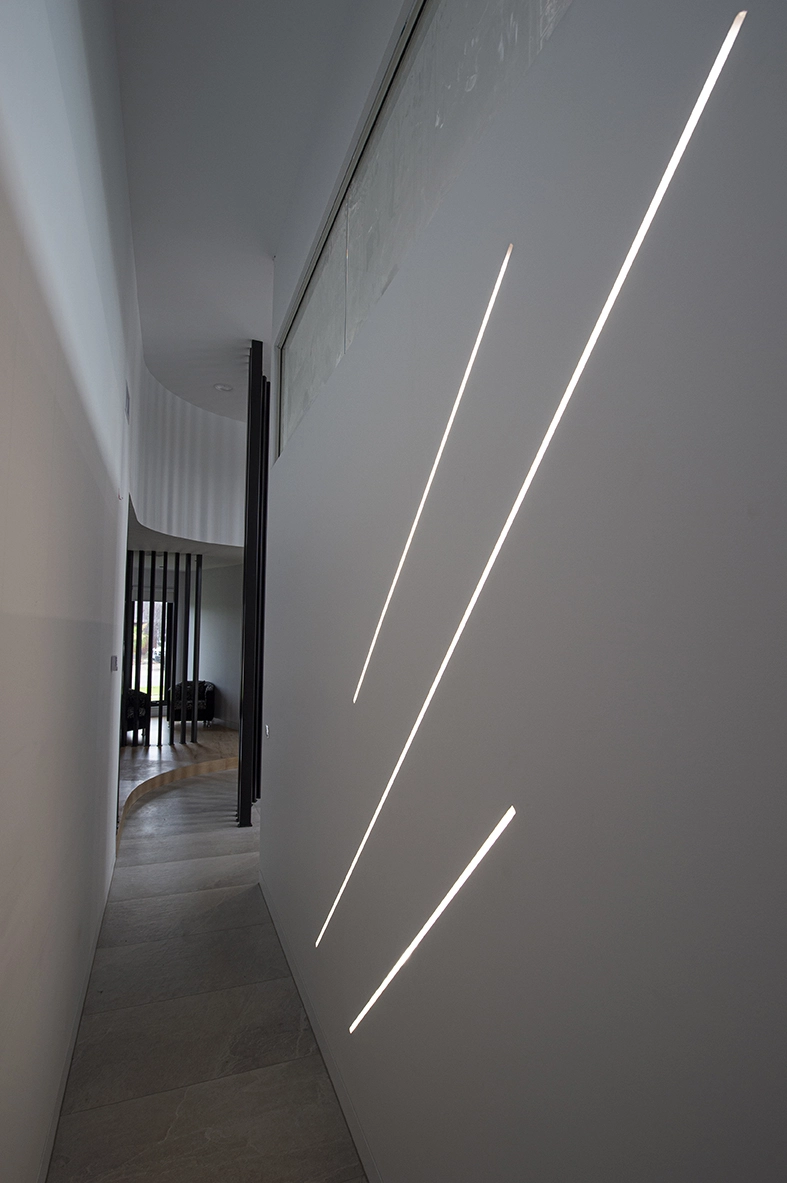
- Under-cabinet lighting that enhances visual interest
- Surface-mounted anti-glare downlights featuring designer finishes
- Colour-tunable LED strips for creating various ambient effects
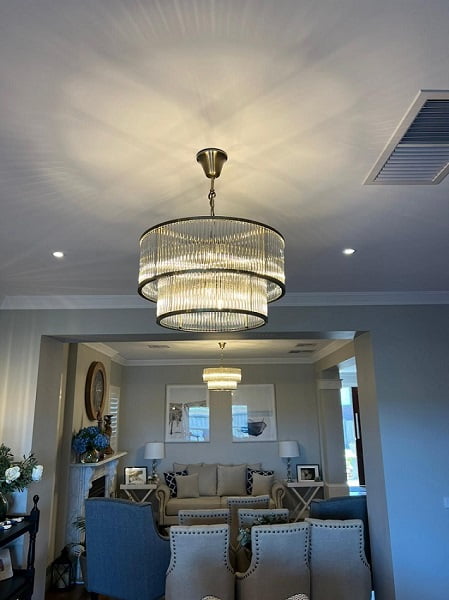
- Pendant lighting with unique architectural forms that serve as focal points
Well-designed aesthetic lighting not only enhances the functionality of a room but also imbues it with emotion. It can warm up a lounge, provide restful vibes in a bedroom, or create an intimate atmosphere in a dining area, showcasing how crucial lighting is to the overall experience of a space.
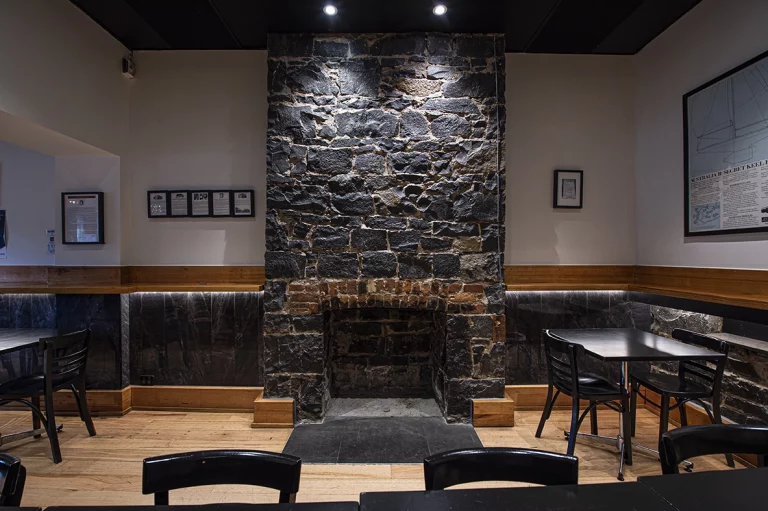
Why Combining Functional and Aesthetic Lighting Creates Exceptional Spaces
The key takeaway is that functional and aesthetic lighting are not opposing forces—they are complementary elements. Understanding this balance is crucial in any lighting design.
The distinction often lies not in the type of fixture but rather in how it is implemented. For instance:
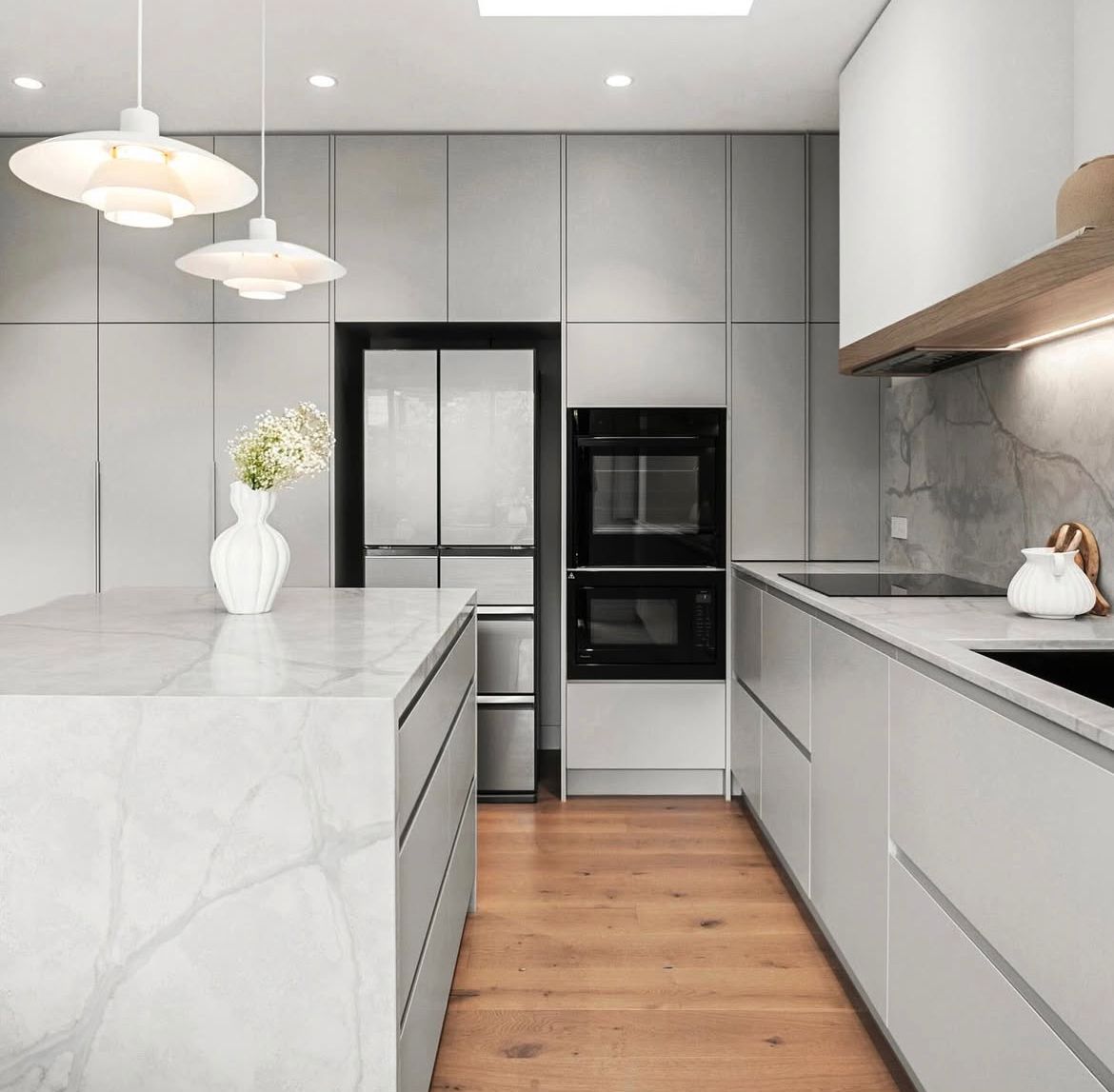
- A recessed frosted downlight provides extensive practical light.
- A surface-mounted anti-glare downlight serves the same function but also adds a striking architectural feature to the space.
By carefully selecting the right combination of fixture placement, beam angle, temperature, and design, your environment can achieve both high functionality and visual beauty, creating a truly remarkable atmosphere.
Collaborate with Lighting Electricians Who Appreciate Design
As the preferred electricians for Beacon Lighting, Electrx operates at the intersection of practicality and design every day. We assist Melbourne homes and businesses in achieving the ideal equilibrium between functionality and aesthetics, utilising advanced lighting products and professional installation that seamlessly integrates with smart automation systems for homes.
Whether you are in the process of building, renovating, or simply updating the atmosphere of your home, our expert team can:
- Conduct comprehensive electrical installations with a focus on safety and compliance
- Suggest lighting solutions that enhance performance and inspire creativity
- Position fixtures to maximise both usability and visual impact
Transform your space into one that is both functional and stunning.
Let’s discuss how an effective lighting plan can elevate your home or enhance your commercial lighting designs.
Explore Lighting FAQs for Better Understanding
What is the main difference between functional and aesthetic lighting?
Functional lighting serves a practical purpose focused on visibility and safety, while aesthetic lighting enhances the mood, style, or overall design of a space.
Can one light fixture be both functional and aesthetic?
Absolutely! Many fixtures, such as designer surface-mounted downlights, effectively combine practical illumination with stylish aesthetics, offering the best of both worlds.
Is functional lighting always brighter than aesthetic lighting?
Not necessarily. While functional lighting often prioritises brightness, aesthetic lighting can also be bright; however, it tends to focus more on creating ambience and visual appeal.
How do I choose lighting that’s both functional and stylish?
When selecting lighting fixtures, consider options that suit your room’s purpose while also featuring design elements like finishes, shapes, or beam angles that harmonise with your interior style.
Where should I install aesthetic lighting in my home?
Ideal locations for aesthetic lighting include living rooms, dining areas, staircases, and entryways—spaces where mood and design can have a significant impact.
Do I need an electrician to install aesthetic lighting?
Yes, engaging a licensed electrician ensures safe, compliant installation, and they can assist with optimal placement to achieve both functionality and beauty in your lighting design.
The Difference Between Functional Lighting & Aesthetic Lighting


Your exploration of functional versus aesthetic lighting raises a critical consideration that often gets overlooked in design discussions: how our environments affect our well-being and behavior. While the distinction between functional lighting—think task lighting in kitchens or workspaces—and aesthetic lighting, which enhances the ambiance and emotional tone of a room, is clear, the relationship between the two is where it gets really interesting.
Your exploration of the intricate balance between functional and aesthetic lighting resonates deeply with me. I often find myself pondering how these two types of lighting not only serve their respective purposes but also shape the atmosphere of our environments in significant ways.
It’s fascinating how both functional and aesthetic lighting can dramatically shift our experience in a space. I recently reimagined my home office with warm, layered lighting that combines both elements, and the difference has been transformative. I find that functional lighting not only boosts my productivity during long work hours, but the added aesthetic touches really help create a relaxed atmosphere that makes me want to be there.
Your exploration of the interplay between functional and aesthetic lighting really resonates with me. It’s fascinating how the right lighting can transform not just the visual appeal of a space but also its functionality and mood. I’ve always believed that our environments significantly impact our emotional well-being, and lighting plays a crucial role in that.
Your exploration of the interplay between functional and aesthetic lighting truly resonates with me, especially as someone who has often grappled with the dilemma of how to effectively illuminate my living spaces. I find it fascinating how lighting can drastically alter not just the ambiance of a room, but also influence our daily experiences within those spaces.
Your exploration of functional versus aesthetic lighting resonates with the growing trend towards creating spaces that prioritize both utility and ambiance. I’ve often found that the distinction between these two types can significantly influence how we interact with our environments. For instance, in my home office, I’ve opted for adjustable task lighting that enhances productivity during the day, while incorporating softer, decorative fixtures to create a more relaxing atmosphere in the evening.
It’s fascinating to see the conversation around functional versus aesthetic lighting evolve, especially considering how integral lighting is to our daily lives. When I think about functional lighting, I often reflect on the importance of task-specific designs—like bright, direct lights over a kitchen counter or a well-placed reading lamp in a cozy nook. These spaces truly come alive when the lighting complements their intended use.
Your breakdown of functional and aesthetic lighting really resonates with me, especially the idea of how these elements work together to create both practical and visually appealing environments. I’ve noticed how often these two types of lighting are overlooked in everyday settings. For example, in my home office, I initially just focused on functional lighting with bright, task-oriented fixtures. However, once I incorporated some warm, ambient lights, the entire atmosphere shifted from sterile to welcoming.
Your exploration of functional versus aesthetic lighting brings to mind just how crucial the right illumination can be in shaping our environments. As you mentioned, functional lighting serves a specific purpose, ensuring that we have adequate visibility for tasks—be it reading in a cozy nook or preparing a meal in the kitchen. I recently renovated my home office, and I found that integrating layered lighting—task, ambient, and accent—made a significant difference in both productivity and mood. The right desk lamp not only lit up my workspace but also added a touch of style that made the room feel more welcoming.