

Discover the Electric Alternatives to Gas Ducted Heating Today
Absolutely — and it's becoming a highly sought-after choice!
If you currently rely on gas ducted heating, you can seamlessly transition to an electric ducted heating system that utilises your existing vents and ductwork. This means no need for extensive renovations or cutting new holes in your home. Our process involves removing the old gas heater, updating any necessary ducting, and installing the new system, typically all in one day.
Moreover, here's an exciting benefit that many homeowners often overlook: the new system doesn't solely provide heating. A reverse cycle ducted system not only heats but also cools your entire home from the same vents. Therefore, by replacing your gas heater, you simultaneously gain a full ducted air conditioning system.
If you already have solar panels or are contemplating their installation, there’s an additional advantage to consider. You can harness solar energy to power your heating during winter, precisely when most households consume the highest amount of energy. This translates to substantial savings that accumulate over time.
Uncover Why Melbourne Homeowners Are Transitioning to Electric Heating Now
Victoria has a longstanding history with gas. Almost every household is equipped with it, and for many years, it was a sensible choice — gas was affordable, and the systems proved reliable.
However, this scenario has dramatically shifted. Over the past few years, gas prices have skyrocketed and show no signs of decreasing. Additionally, obtaining repairs or servicing for gas heaters is becoming increasingly challenging, as fewer tradespeople specialise in gas systems, and parts for older units are becoming harder to find. Notably, from January 2024 onwards, new homes in Victoria will not be permitted to connect to gas at all.
If your gas heater is ageing, you've received a hefty repair quote, or you're simply facing high running costs, transitioning to electric heating now is a prudent decision rather than delaying.
-
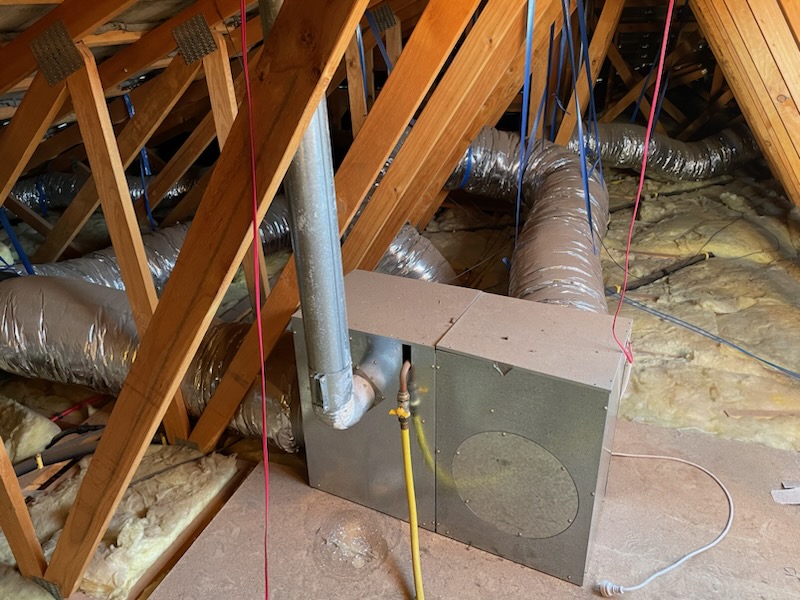 Old Gas Heater
 -
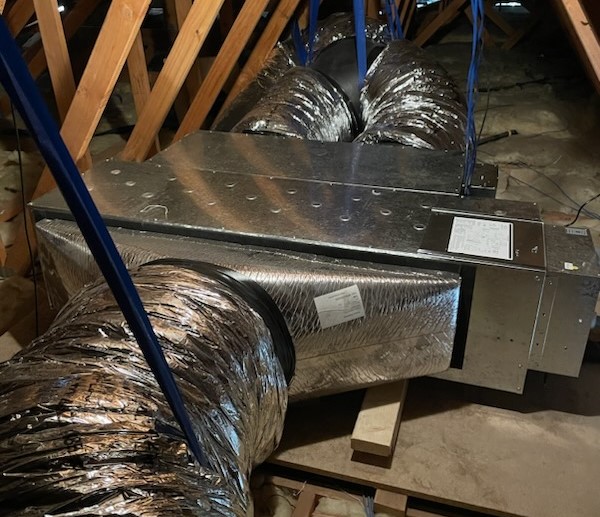 New Refrigerated Reverse Cycle System
What Are the Costs Associated With Replacing Gas Ducted Heating With Electric Options?
All the prices listed below are fully inclusive — they cover GST, the Victorian government VEU rebate, and the complete replacement of your existing ductwork and grilles. This means no unexpected costs.
Daikin Premium System — Supply & Installation Costs
| System Size | Maximum Outlets | All-Inclusive Price |
|---|---|---|
| 12.5KW | 6 outlets | Starting from $8,899 |
| 16KW | 10 outlets | Starting from $10,380 |
Mitsubishi Electric System — Supply & Installation Costs
| System Size | Maximum Outlets | All-Inclusive Price |
|---|---|---|
| 12.5KW | 6 outlets | Starting from $8,170 |
| 16KW | 10 outlets | Starting from $10,190 |
Midea System — Supply & Installation Costs
| System Size | Maximum Outlets | All-Inclusive Price |
|---|---|---|
| 12.5KW | 6 outlets | Starting from $6,300 |
| 17KW | 10 outlets | Starting from $7,300 |
Every system we install is a premium inverter reverse cycle unit, which meets the specifications necessary to qualify for the VEU rebate. That rebate has already been deducted from the prices listed above.
Understanding the VEU Rebate: What Is It and How Does It Work?
The Victorian Energy Upgrades (VEU) program serves as the state government's initiative aimed at encouraging households to move away from gas and adopt efficient electric systems. When you replace a gas ducted heater with a qualifying premium reverse cycle system, you receive a rebate that is applied directly to your installation costs.
There's no need to claim it separately or wait for a cheque; the rebate is deducted directly from the total price. Every system we install at Beyond qualifies for this benefit.
For further details, please visit our VEU rebate information page.
Will the Operating Costs Actually Be Reduced?
Absolutely, and the Victorian government backs this statement with data.
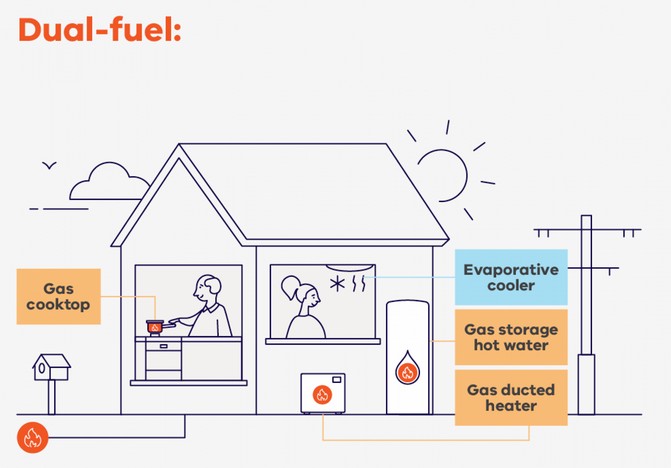
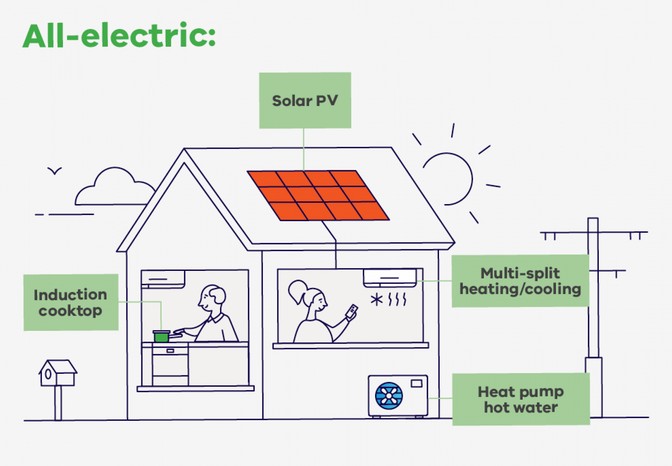
The Victorian government's own statistics indicate that the average Victorian home transitioning to all-electric systems can save:
- Approximately strong,900 per year without solar panels
- Approximately $2,230 per year when combined with an existing solar system
To provide context, a typical dual-fuel home (utilising both electric and gas) incurs an annual energy expenditure of around $3,080. In contrast, an all-electric home without solar spends approximately $2,090 — representing an annual savings of roughly $990 for a new home, with even greater savings for existing homes adapting to today’s rising gas prices.
The true potential lies in solar energy. Winter sees the highest heating energy demands in Melbourne homes, and a well-planned solar array can substantially cover that usage during daylight hours. Heating your home with power you’ve generated yourself shifts the cost dynamics significantly compared to relying on gas, and this advantage only increases as gas prices continue to escalate.
Victoria Is Transitioning Away From Gas: Current Developments
Victoria holds the title of Australia’s largest residential gas consumer, and the state government is committed to changing this status quo. As of January 2024, new homes will no longer be permitted to connect to gas. While existing homes are not being forced to disconnect from gas, the trend is evident; incentives to switch are increasing, and the infrastructure supporting gas home heating is gradually diminishing.
Making the switch now allows you to take control of your situation, benefiting from a rebate while actively choosing to transition, rather than waiting for your old heater to necessitate an urgent decision.
One System for Every Room — Gain Control Over Your Home's Comfort
One of the standout benefits of ducted systems over split systems is the ability to zone your heating and cooling. Instead of conditioning the entire home simultaneously, a zoned ducted system allows you to choose which rooms are heated or cooled, keeping bedrooms off during the day and living areas off at night.
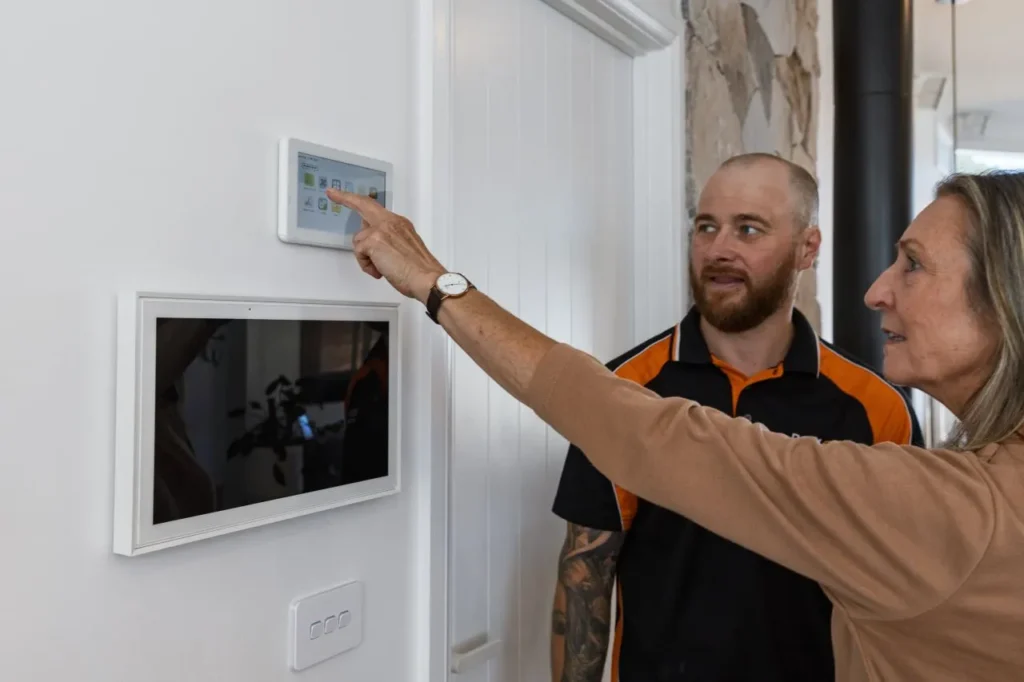
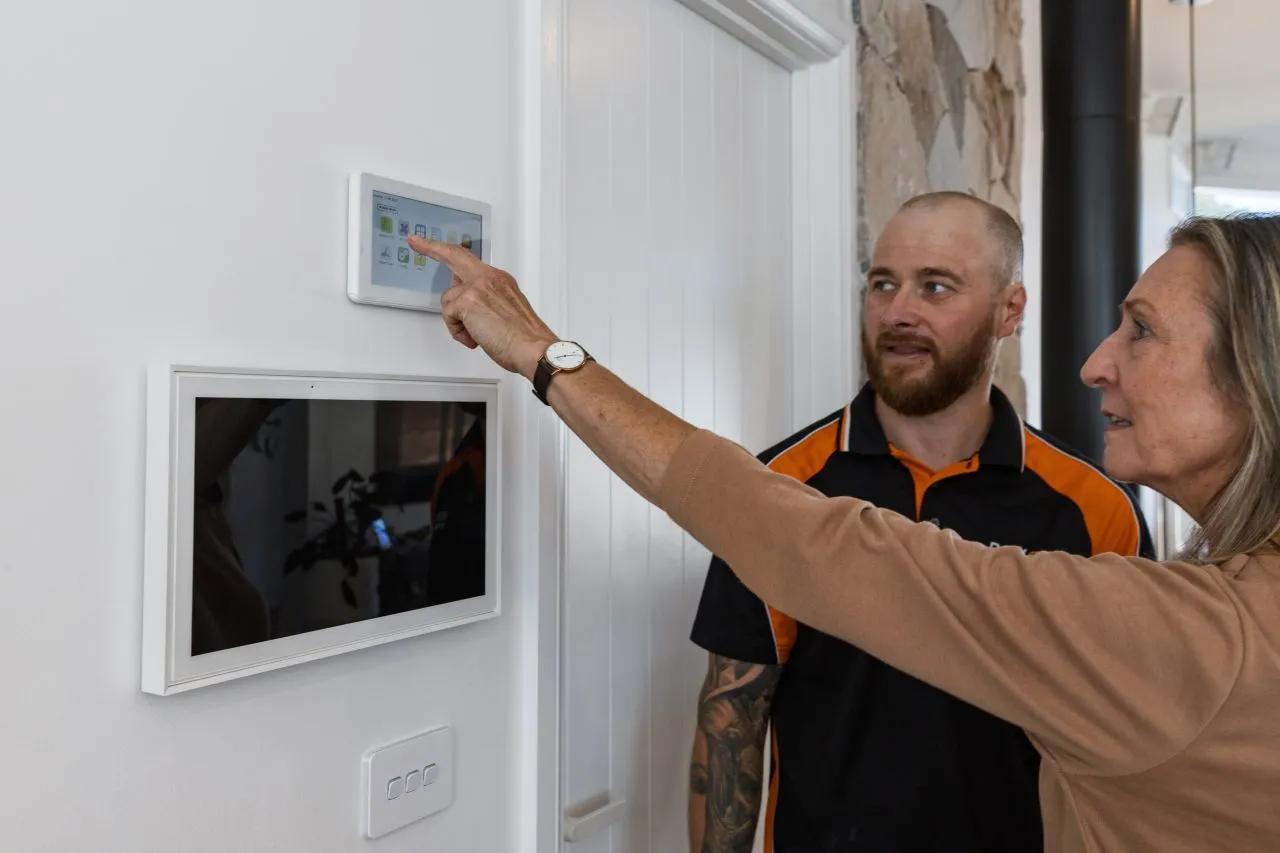
Many systems we install offer smartphone control, enabling you to pre-heat your home before you arrive without running the system all day. This simple feature can significantly reduce your energy costs and enhance your comfort.
If you're upgrading from an existing gas ducted system that lacks zoning, it's advisable to inquire about zoning options during your quote — it's much simpler to incorporate zoning during installation than to retrofit it later.
Every home presents unique challenges, including the size of your current system, the condition of the ductwork, the type of ducts (ceiling or underfloor), and the total number of rooms. We conduct free in-home assessments across Melbourne’s northern and northeastern suburbs to provide tailored recommendations based on your specific home.
 Call 1800 239 663
Alternatively, fill out the form below, and we’ll get in touch with you promptly.
Your Electric Heating Questions Answered
Will new holes need to be cut in my walls or ceiling during installation?
Typically, no. If you currently have gas ducted heating, we can utilise your existing vents and duct runs. In most cases, there will be no noticeable changes to the appearance of your home, just new vents and grilles replacing the old ones.
Does the new electric system provide adequate heating on a chilly Melbourne morning?
Yes, modern inverter reverse cycle systems are designed to extract heat from the outside air even at temperatures as low as -15°C. Melbourne rarely experiences such extreme cold. A correctly sized system will quickly heat your home and maintain a comfortable temperature throughout winter. Ensuring proper sizing is crucial — that’s the purpose of our in-home assessment.
How long does the installation process usually take?
For the majority of cases, it takes just one day. We will confirm the timeframe during our assessment of your home. Larger properties or more complex duct layouts may occasionally require an additional day, but that is not the norm.
What happens to my gas connection once the heater is removed?
As we are qualified mechanical plumbers, we handle both gas and refrigerant systems, allowing us to manage the gas line during the job. There is no need for you to contact a separate tradesperson to cap it off. If you still use gas for hot water or cooking, you can choose to keep those connections, and we’ll discuss the options when we are on-site.
Regarding the VEU rebate — is it deducted from my bill upfront, or do I need to claim it back?
It is deducted upfront. The prices listed on this page already include the rebate. There are no forms to fill out or waiting periods; we take care of all the necessary paperwork as part of the installation process.
If I have solar panels — how does that affect my system choice?
Having solar panels significantly alters the running costs in your favour. Any system we install can operate on solar power during daylight hours. If your solar array is sufficiently sized, your heating costs in winter can be minimal. Be sure to mention your solar setup when requesting a quote, and we can discuss zoning and operational timing to maximise the benefits of your solar energy.
How long will it take for the system to pay for itself?
According to the Victorian government's figures, switching to an all-electric system saves the average existing home approximately $1,900 annually without solar, or $2,230 with solar. For a Mitsubishi Electric system starting at $8,170, that translates to a payback period of about four years with solar — even shorter if gas prices continue to rise. After that, the savings are entirely yours, and most ducted systems last between 15 to 20 years.
Will you replace my existing ductwork or reuse it?
We always replace the ducting as part of every installation, and this is included in the all-inclusive prices mentioned above. The ducting we install is specifically designed for reverse cycle systems and is correctly sized for both heating and cooling applications. Old gas ducting is generally unsuitable; it is usually the wrong size for refrigerated systems and tends to accumulate dust over time. Installing new ducting ensures cleaner air quality from day one.

Transitioning from gas ducted heating to an electric system really seems like a win-win for many homeowners. The fact that you can utilize your existing ductwork is such a relief; it not only saves on renovation costs, but it also minimizes disruption to your home life.