

Encountering a bin teeming with maggots can be an incredibly unsettling experience. These pale, wriggling larvae not only evoke disgust but also pose significant health risks. Maggots are the larvae of flies, indicating that your property has become a breeding ground for these pests due to the presence of food scraps, pet waste, or other organic matter. Understanding how to manage this issue is crucial for maintaining a hygienic environment.
In this comprehensive guide, you will learn effective strategies to exterminate maggots swiftly and, even more importantly, how to implement preventive measures that ensure they never return.
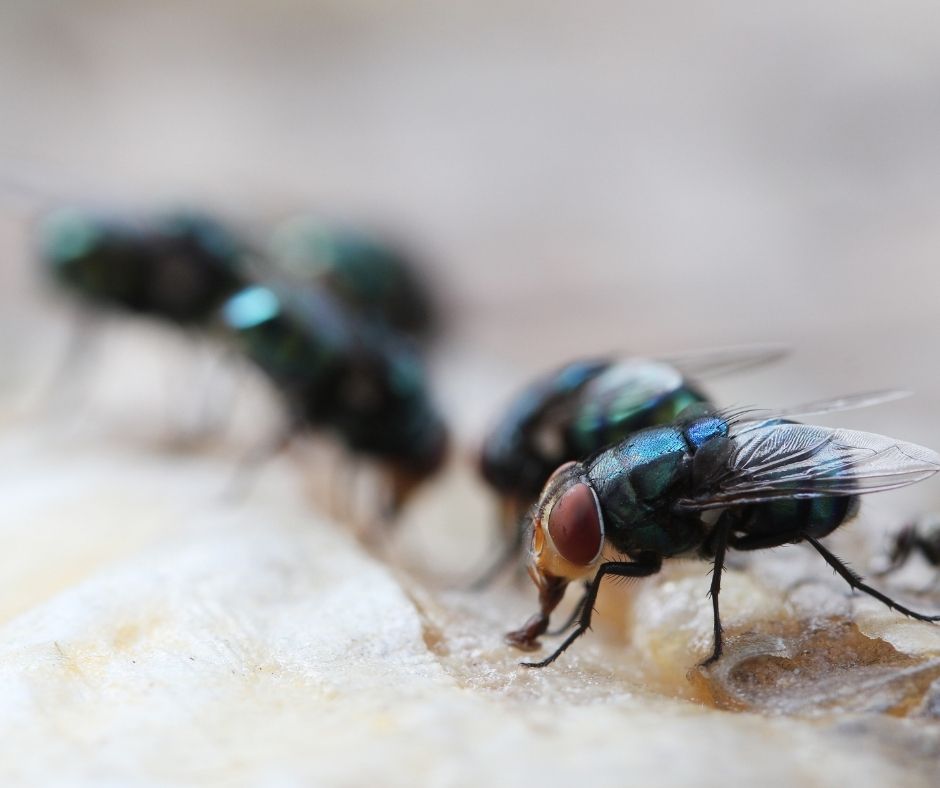
Urgent and Effective Methods to Eliminate Maggots
Upon discovering maggots in your bin, kitchen, or yard, it’s critical to act quickly using these tried-and-tested methods:
- Boiling Water: This is the simplest yet most powerful solution. Pouring boiling water directly onto the maggots will eliminate them instantly while also loosening any grime inside your bins, making cleanup easier.
- Salt: Generously sprinkle salt over the maggots. This natural remedy works by dehydrating the larvae, effectively leading to their demise.
- Diatomaceous Earth: Spread food-grade diatomaceous earth over the maggots and the surrounding area. This natural substance is abrasive to insects and can be very effective.
- Bleach and Water Solution: Create a mixture of one part bleach to nine parts water. Spray or pour this solution over the affected area, ensuring pets and children are kept away until the area is thoroughly rinsed.
- Vinegar and Water Solution: Combine one part white vinegar with three parts water. The acidity from the vinegar creates an inhospitable environment for maggots, effectively preventing their survival.
Step-by-Step Guide: How to Effectively Exterminate Maggots
- Locate the Source
The presence of maggots does not occur without a cause. Identify the decaying matter that is attracting flies, which is often found in food scraps within bins, pet food bowls, pet waste, or even a deceased animal hidden in a wall cavity or roof space. - Remove Infested Material
Once you have located the source, promptly place the infested material—such as rotten food or soiled waste—into a sealed plastic bag and dispose of it immediately to prevent further infestation. - Kill Remaining Maggots
Utilise one of the aforementioned methods (boiling water, salt, bleach, or vinegar) to eliminate any lingering larvae that may still be wriggling in the area. - Thoroughly Clean and Disinfect
After exterminating the maggots, wash the area with hot soapy water, followed by a thorough disinfection to remove any eggs that could hatch later on.
Why Preventing Maggots Is Essential for Long-Term Hygiene
While exterminating maggots resolves the immediate issue, implementing effective prevention strategies is crucial for long-term success. Flies are opportunistic breeders; if your bins, pet areas, or kitchen scraps are easily accessible, the likelihood of maggots returning increases significantly.
When a fly lays its eggs, maggots can emerge in as little as six hours. Therefore, preventing flies from laying their eggs is vital to keeping maggots at bay.
Essential Tips to Make Your Home or Business Maggot-Proof
- Keep Bins Clean: Regularly washing and sanitising your bins is essential for eliminating the residue that attracts flies and prevents maggots from taking hold.
- Keep Bin Lids Closed: An open bin is an invitation for flies. It only takes a single day for maggots to hatch, so ensure your bins are tightly sealed.
- Empty Rubbish Frequently: Avoid allowing food waste to decompose, particularly in warm weather, as this can attract flies and lead to maggots.
- Seal Food Waste: Use liners or securely seal scraps in bags before placing them in the bin to prevent odours and the attraction of flies.
- Clean Pet Areas: Promptly pick up pet waste and maintain tidy food bowls to reduce health hazards and the potential for maggots.
- Maintain Outdoor Areas: Regularly remove fallen fruit and trim overgrown vegetation, as these are common breeding grounds for flies.
- Install Fly Screens: Adding fly screens can help prevent flies from entering kitchens and laying eggs on exposed food items.
Expert Maggot Pest Control Services in Sydney
While DIY methods can provide immediate relief by killing maggots, they often fail to address the underlying problem of ongoing fly activity. At So Pest Off, we offer:
- Comprehensive Pest Control Treatments that target both flies and their breeding sites to reduce the risk of maggots reappearing.
- Professional Bin Washing and Sanitising Services specifically designed for residential, strata, and hospitality clients, ensuring that bins remain clean, fresh, and fly-proof throughout the year.
- Safe and Effective Treatments that not only eliminate maggots but also protect your property from future infestations.
Take Control of Your Environment Today
Dealing with maggots is more than just a matter of hygiene; it indicates that flies are breeding in your vicinity. Fortunately, you don’t have to tackle this issue alone.
If you’ve noticed maggots in your bins or around your property, contact So Pest Off today. Our dedicated team provides rapid, effective maggot pest control and ongoing prevention services throughout Sydney, ensuring your space is clean and safe.
Say goodbye to the unpleasant odour, stress, and health risks associated with maggots and embrace a cleaner, safer home or workplace.
Book your professional maggot pest control service now.

How to Exterminate Maggots: A Complete Guide for Sydney Homes and Businesses



Encountering maggots can truly be a jarring experience, tapping into a primal instinct to recoil from decay and the remnants of uncleanliness. I recall one particularly hot summer when I left a small bag of compost in my kitchen too long. What started as a proactive choice to recycle my vegetable scraps quickly spiraled into an eye-opening encounter with maggots. It underscored for me just how important it is not only to manage waste properly but also to understand the life cycles of pests that can thrive in our neglect.
The imagery of a bin full of maggots certainly resonates with many of us who have faced similar unpleasant surprises at home. It’s interesting to consider how such encounters not only reflect our personal hygiene habits but also highlight broader themes of waste management in our society.
I always thought the scariest thing about maggots was the thought of them popping up out of nowhere, but there’s something even more unsettling—realizing you’ve been unknowingly hosting a larval rave in your trash can. It’s like the food scraps decided to throw the world’s worst party, and we never got the memo!
It’s interesting how encountering something like maggots can trigger such a strong emotional response. I remember the first time I faced a similar situation in my kitchen—my initial disgust quickly turned into a concern about hygiene and health. It really highlights the importance of understanding our waste management practices.
I can totally relate to the unsettling experience of encountering maggots! Just the other day, I stumbled upon a small bin in my garage that had somehow turned into a breeding ground for these little pests. It was eye-opening to realize how quickly things can spiral out of control when organic waste isn’t managed properly. I appreciate how you’ve highlighted the importance of swift action. I’ve also found that using vinegar along with boiling water can be an effective dual approach—not only does it help kill the maggots, but it also leaves the bin smelling fresher.
This is such an important topic, and your guide highlights an often-overlooked aspect of everyday hygiene. Encountering maggots can definitely be a wake-up call about how we manage waste in our homes. I was reminded of a time when I faced a similar issue after a particularly hot summer. Despite regular trash pick-ups, I found my bin infested because I’d carelessly tossed some leftover food without sealing it properly.