

Exploring the Benefits of Cupping Therapy for Your Health
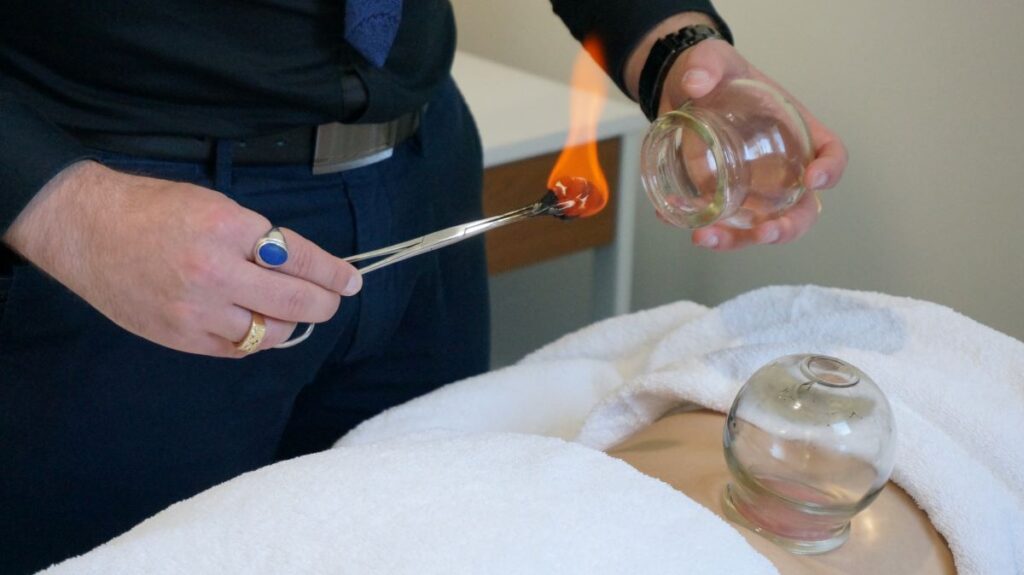
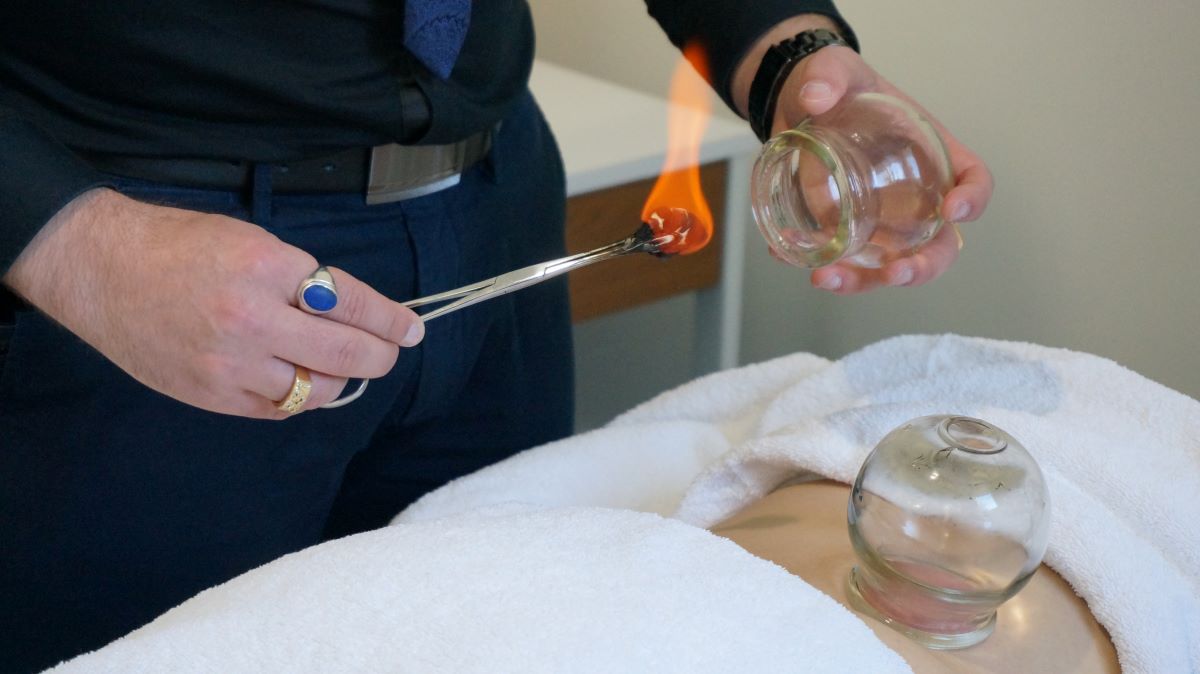
Cupping therapy is an ancient practice rooted in traditional Chinese Medicine, utilised for centuries to enhance circulation, alleviate muscular tension, and promote faster recovery. This technique involves creating gentle suction on the skin with the aid of materials such as glass, silicone, or bamboo cups. The negative pressure generated by these cups promotes an increased blood flow to the targeted area, effectively relieving tension in the soft tissues and activating the body’s inherent healing mechanisms.
At JG Alternative Healthcare, we integrate cupping therapy into a comprehensive care plan customised to meet your unique health requirements. Whether you are in the process of recovering from intense training, dealing with tight muscles, or managing persistent discomfort, Jesse will adjust the method and intensity of the cupping treatment to align with your body's specific needs.
 The initial and crucial step in your cupping journey involves verifying the qualifications of potential practitioners through the appropriate channels. In Australia, this entails confirming their registration status with the Chinese Medicine Board of Australia. By utilising Ahpra’s national registration system, you can conveniently check a practitioner’s legal standing and professional qualifications online. It is essential to seek practitioners who have completed accredited programs in traditional Chinese medicine and possess specialised training in cupping therapy techniques.
What Motivates Individuals to Try Cupping Therapy?
Individuals seek out cupping therapy for a myriad of reasons. Some of the most common objectives include:
- Muscular tension – alleviating tightness in areas such as the back, shoulders, or legs.
- Sports recovery – aiding in recovery after intense training sessions or competitive events.
- Circulation – enhancing local blood flow to facilitate tissue repair.
- Stress-related tension – soothing the nervous system and promoting a state of relaxation.
- Mobility support – relieving stiffness to support joint movement.
- General wellbeing – achieving a sense of balance and refreshment following treatment.
Research from the National Center for Complementary and Integrative Health indicates that certain studies suggest that cupping therapy may alleviate musculoskeletal discomfort when performed by a qualified practitioner.
Exploring the Key Benefits of Cupping Therapy
The table below highlights the primary benefits of cupping therapy and how these advantages can manifest in a clinical environment:
| Benefit | How It Supports Clients |
| Muscle relaxation | Relieves tension in the fascia and deeper muscle layers, enhancing comfort |
| Pain support | May alleviate discomfort stemming from overuse, strain, or stiffness |
| Circulation | Promotes fresh blood flow to tissues, aiding in the recovery process |
| Stress regulation | Encourages a calm state of mind and diminishes nervous tension |
| Mobility | Facilitates the easing of stiffness, enhancing range of motion |
| Recovery | Assists with post-training adaptation, reducing fatigue levels |
What to Expect During a Cupping Session
A cupping session is tailored to be safe, calming, and individualised to each client’s needs.
- Consultation and assessment – Jesse engages with you to discuss your health history, current concerns, and treatment goals.
- Preparation – The skin is thoroughly cleaned, and a light oil is applied to enhance the session.
- Cup application – Cups are strategically placed on targeted areas with controlled suction.
- Techniques – Depending on your unique requirements, cups may either remain stationary or be moved along muscle groups through a technique known as sliding cupping.
- Monitoring – Jesse continuously checks your comfort levels and skin response throughout the duration of the session.
- Aftercare – After the cups are removed, the area is cleaned, and you are provided with guidance on what to expect moving forward.
It is normal for temporary circular marks to appear, which usually fade within a few days. These marks are indicative of changes in local circulation and are not to be confused with bruises.
Optimal Treatment Schedules for Cupping Therapy
The frequency of treatment sessions is determined by individual health needs, with common patterns including:
- Acute muscle tension – 1–3 sessions within a two-week period.
- Chronic stiffness or ongoing discomfort – weekly sessions for a duration of 4–6 weeks, followed by a reassessment.
- Sports recovery – sessions every 2–4 weeks during active training or competition periods.
- General wellbeing and stress support – maintenance sessions every 4–6 weeks to ensure ongoing balance.
Each treatment plan is customised following a thorough consultation.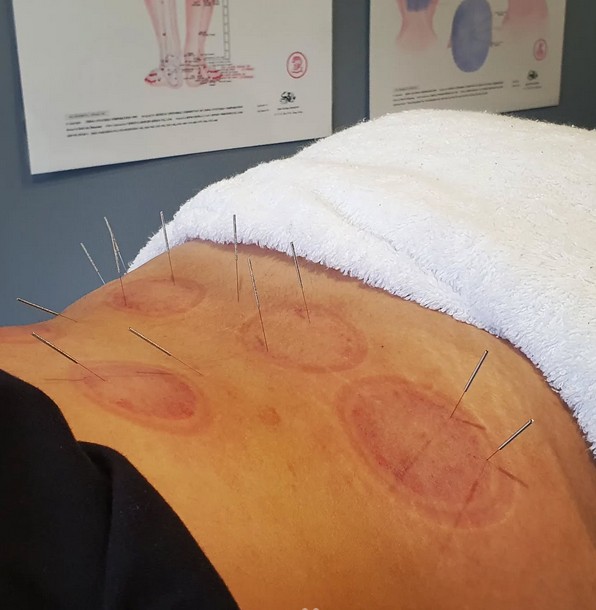
What to Expect After Your Cupping Treatment
Following cupping therapy, many clients report feeling a sense of relaxation and lightness. Others may experience a noticeable increase in energy or a reduction in stiffness in the hours that follow. It is entirely normal for temporary marks to appear, which serve as indicators of enhanced circulation in the treated areas.
Jesse will provide you with aftercare advice tailored to your experience, which may include:
- Resting if you feel fatigued after the session
- Maintaining hydration levels to support recovery
- Allowing your body time to adjust before engaging in strenuous activities
Follow-up sessions will be scheduled based on your recovery goals and your body's response to the treatment.
Common Queries About Cupping Therapy
Does cupping hurt?
Most individuals describe the sensation as firm pressure or stretching of the skin, but it should not cause pain.
Are the marks bruises?
No, these are temporary marks resulting from suction and typically fade within a few days.
How long does a session take?
Cupping sessions generally last between 10–20 minutes but are often part of a longer treatment.
Is cupping suitable for everyone?
Jesse will evaluate your medical history and current condition to ensure that cupping therapy is appropriate for you.
Can I combine cupping with other treatments?
Absolutely. Many clients experience enhanced benefits by combining cupping with acupuncture, gua sha, or herbal medicine.
At JG Alternative Healthcare, we deliver cupping therapy as an integral part of a holistic Chinese Medicine approach tailored to your body's needs and recovery objectives. Our dedicated team simplifies the process of finding a reliable clinic by providing thorough assessments, evidence-based techniques, and continuous support.
Cupping therapy is frequently used alongside acupuncture or Chinese herbal remedies for those looking to manage pain, enhance recovery, or improve overall wellbeing. If you are ready to transition from research to real care, arrange your appointment with us today. You can book directly at JG Alternative Healthcare in Moonee Ponds or South Morang and take the next step towards a more comfortable and supported recovery experience.
Useful Resources for Cupping Therapy
- Cupping Therapy Melbourne | Fascia Release & Recovery | JG Alternative Healthcare
- Managing Chronic Pain Naturally: What You Should Know – JG Alternative Healthcare
- Chinese Medicine – JG Alternative Healthcare
- The Power of Acupuncture for Natural Recovery – JG Alternative Healthcare


I’ve always found cupping therapy to be such an interesting topic, especially how it blends ancient practices with modern wellness trends. I remember the first time I tried it—I was skeptical at first, but after a few sessions, not only did my muscle tension ease up, but I also just felt more relaxed overall. It’s like the therapy really created a space where my body could finally let go of all that built-up stress.
It’s great to hear about your cupping experience! Sounds like you found yourself in quite the cozy bubble of relaxation. I get that initial skepticism—when you first walk into a cupping session, it can feel a bit like you stumbled into an abstract art gallery where the artist was told to work with a vacuum. But the relief that comes after those weird little suction cups do their thing is often pretty magical.
This post has me wondering if cupping therapy is the reason why my neighbor insists on hosting all his barbecues in the backyard—gotta keep those “negative pressures” from bringing in bad vibes (or was that just the smoke from the grill?). Honestly, I’ve always been curious about trying cupping, but I can’t shake the fear of looking like a giant raspberry afterward. It seems like it could be a fun icebreaker at parties, though. “Oh, those marks? Just my recent ‘suction therapy’! I must be a real hot topic, huh?”
I can totally relate to the BBQ-vibes connection with cupping therapy. It’s interesting how practices like that can influence our daily lives, even in unexpected ways like neighborhood gatherings. Your neighbor might actually be onto something by keeping the energy positive—there’s definitely a whole vibe around wellness and rituals these days.
Your exploration of cupping therapy and its benefits is both enlightening and timely, especially as more people seek holistic approaches to health and wellness. I have been intrigued by traditional practices like cupping for some time, particularly since many modern therapies are beginning to intersect with these ancient methods.
It’s interesting to hear that you’re curious about traditional practices like cupping, especially as they gain renewed attention alongside modern therapies. The way these ancient techniques are being integrated into contemporary wellness is fascinating.
Cupping therapy has always fascinated me, especially considering its rich history and the enduring nature of its practice. It’s incredible how a technique rooted in ancient traditions continues to find relevance in modern wellness routines. Your exploration of cupping’s benefits highlights not only its physical effects, like improved circulation and muscle recovery, but also the deeper connection it fosters between the body and mind.
Cupping therapy really does have a fascinating history, doesn’t it? I’ve often thought about how it draws from so many ancient practices, yet still maintains such a strong presence in contemporary wellness. It’s interesting to see how modalities like this can bridge the gap between traditional knowledge and modern health insights.
It really is intriguing how cupping therapy has evolved over time. The way it has roots in various ancient cultures, from Chinese medicine to Middle Eastern practices, showcases not only its versatility but also how interconnected human health perspectives can be.
This is such an interesting exploration of cupping therapy! I’ve always found it fascinating how ancient practices continue to find relevance in today’s wellness culture. I personally experienced cupping for the first time last year after a marathon training cycle, and I was surprised by how much it helped release tight muscles and improve my recovery time.
Cupping therapy sounds fascinating! I’ve been reading about how different cultures have their own take on bodywork for healing. It’s interesting to consider how traditional practices like this still have relevance in modern healthcare. I recently tried cupping after some intense workouts, and I noticed a significant difference in my muscle recovery. It felt like a deep tissue massage but with that unique suction. Have you ever thought about how cupping might be blended with other therapies, like acupuncture or massage? It seems like there’s so much potential for a holistic approach to well-being!
The insights shared about cupping therapy truly resonate with me, especially when considering its historical roots and the contemporary applications it has found in health and wellness today. Cupping serves as a beautiful reminder of how ancient practices can offer modern solutions, merging tradition with innovation.