

Essential Best Practices for Safe Concrete Pumping in 2025
In the realm of concrete pumping safety for 2025, the focus is on comprehensive training, meticulous equipment checks, clearly defined exclusion zones, and detailed pre-start planning. Understanding the potential risks associated with concrete pumping and adhering to established safety protocols is crucial for preventing injuries and ensuring that the project stays on schedule. By prioritising safety measures, workers can create a secure work environment that fosters efficiency and productivity.
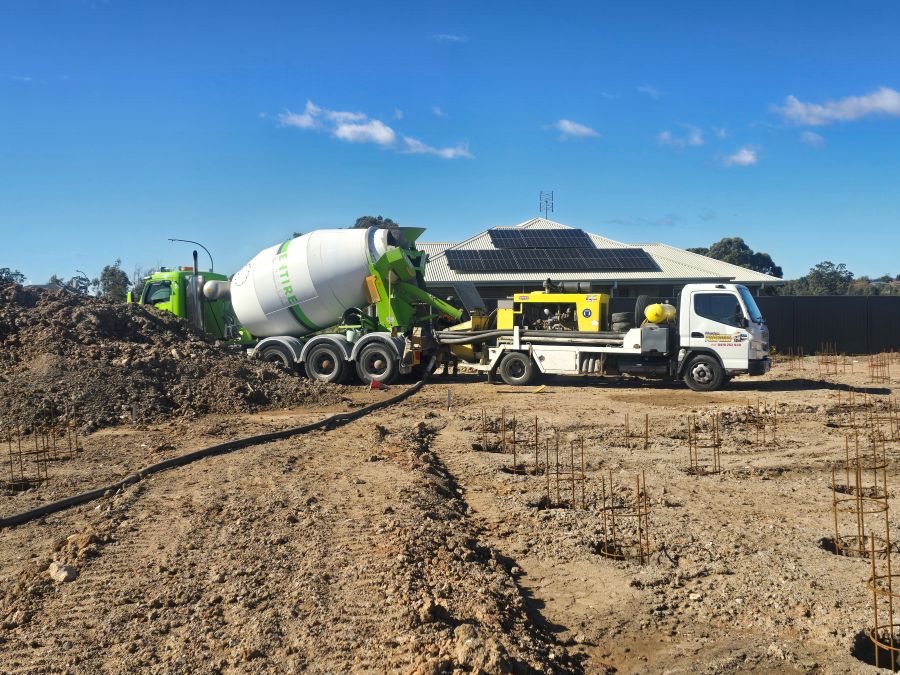
Identifying Common Hazards in Concrete Pump Operations
According to SafeWork NSW, operators and workers involved in concrete placement face various serious risks when setting up or operating concrete pumps. These potential hazards include:
- Unstable ground or inadequate setup on sloped surfaces, which can lead to accidents.
- Utilisation of equipment beyond its design specifications, increasing the risk of failure.
- Contact with overhead power lines, posing serious electrocution hazards.
- Collisions with trucks, structures, or site personnel, which can result in injuries.
- Hose whip and line surges, which can cause dangerous situations if not controlled.
- Unexpected equipment failure and blockages that could halt operations.
- Exposure to crush zones, diesel fumes, and excessive noise, which can impact health.
- Slip, trip, and confined space hazards that can lead to serious injuries.
These risks are not merely theoretical; they manifest when safety procedures are overlooked or not consistently enforced. This is why our focus remains on the critical aspects of safety on-site, ensuring that every worker understands and follows the established protocols.
1. Ensure All Crew Members Are Trained and Certified
Concrete pumps operate under high pressure, necessitating strict handling requirements for operators. In NSW, it is mandatory for operators to possess:
- An HR licence for operating boom trucks, ensuring they are qualified.
- Verified VOCs (Verification of Competency) to confirm their skill level.
- Training in hazard recognition and understanding of emergency stop procedures.
Additionally, hose handlers should be thoroughly briefed to ensure they avoid standing in discharge zones and are able to identify blockages early, which is vital for maintaining operational safety.
2. Implementing Exclusion Zones for Enhanced Safety
Concrete that is under pressure moves rapidly and can be extremely dangerous if released unexpectedly. For this reason, it is essential to have clearly marked safety zones surrounding the hose and boom at all times. The safety measures include:
- Using barriers and flagging to delineate risk areas around the pumping operation.
- Prohibiting personnel from standing in front of the discharge area to avoid injury.
- Restricting movement under booms to eliminate the risk of accidents.
3. Conduct Thorough Equipment Checks Prior to Every Pour
Each concrete pumping job begins with a comprehensive equipment inspection. At Hunter Concrete Pumps, we conduct detailed checks on:
- Hoses and reducers to ensure they are in optimal condition.
- Couplings and clamps for secure connections.
- The integrity of the boom and seals to prevent leaks.
- Primer levels, ensuring the pump operates smoothly.
- Emergency shutoff systems to guarantee immediate response capabilities.
No operation commences unless the pump has successfully passed every inspection, reinforcing our commitment to safety and efficiency.
4. Assign a Lead Operator for Effective Coordination
Effective communication is paramount in concrete pumping operations. Each crew must designate one lead operator responsible for overseeing the pour. They ensure coordination with:
- Agitator drivers for synchronised operations.
- Hose handlers to manage the flow of concrete safely.
- Site supervisors for compliance with site regulations.
- Concreters and finishers to achieve the desired results.
This clear chain of command is essential for preventing mistakes and misfires, thereby enhancing the overall safety and efficiency of the operation.
5. Initiate Every Pour with a Comprehensive Safety Briefing
Before commencing the pump operation, it is crucial for the crew to cover several key topics, including:
- Access to the site and hose routing for optimal flow.
- Emergency response plans and first aid protocols.
- Truck staging and washout procedures to maintain site cleanliness.
- Identifying slip risks and ensuring appropriate use of PPE (Personal Protective Equipment).
- Roles of spotters where necessary to enhance safety.
At Hunter Concrete Pumps, we implement these protocols rigorously on every job, without exception, to ensure the safety of our crew and the integrity of the project.
Understanding the Importance of Safety in Concrete Pumping
Ensuring safe concrete pours not only protects your crew but also safeguards your project schedule, budget, and reputation. A lapse in safety can lead to injuries, project delays, or regulatory scrutiny, which are risks that cannot be overlooked. We adhere strictly to the SafeWork NSW guidelines for concrete pumping on every job. Our operators are not only trained but also licensed and insured, ensuring that when you choose us, you are opting for a service where safety is integrated into the entire process.
Do I need to provide spotters or safety personnel for my concrete pour?
For civil and commercial sites, the answer is yes; spotters or safety personnel are required to maintain safety standards. However, for residential projects, our dedicated pump crews effectively manage the safety zone, keeping the site secure. We will inform you of any requirements during the quoting process to ensure clarity and compliance.
What Are the Most Common Safety Risks Associated with Concrete Pumping Jobs?
The three predominant risks include untrained hose handling, inadequate access planning, and the absence of exclusion zones. We proactively address all three of these issues before the concrete pour begins, ensuring a safer working environment for everyone involved.
Achieve Smooth and Safe Concrete Pours with Our Expertise
Concrete pumping safety is not about excessive regulations; rather, it is about ensuring the job is completed without injury or delays. When your team is well-versed in safety procedures and your operator arrives fully equipped and prepared, the concrete pour can proceed smoothly, quickly, and without complications.
Concrete Pump Hire

It’s fascinating to see the emphasis on safety in concrete pumping as we move into 2025! The mention of systematic training and pre-start planning resonates with me, especially given how often we overlook the basics in pursuit of efficiency. In my experience, having a thorough checklist not only helps mitigate risks but also empowers the team—everyone feels more confident when they know potential hazards are being addressed.
You’ve touched on some really critical aspects of concrete pumping safety, which often doesn’t get the attention it deserves. In my experience on construction sites, the emphasis on thorough training cannot be overstated. I remember a job where an operator wasn’t fully trained on the specific pump we were using. The result? A near miss that could have ended very badly. It’s a stark reminder that investing time in proper training pays off not just in safety but also in efficiency.
You make a really important point about the emphasis on thorough training. I’ve seen firsthand how much it can influence not just safety, but the overall dynamics of a construction site. That near miss you experienced is a chilling reminder of how critical it is for operators to be fully versed in the equipment they’re handling. I think it also plays into a larger conversation about the culture on job sites.
Your exploration of best practices for safe concrete pumping in 2025 underscores the vital importance of a proactive approach to safety in the construction industry, a topic that is sadly often relegated to the background until an incident occurs. The emphasis on comprehensive training and meticulous equipment checks aligns perfectly with my experience in the field. When I worked on a large-scale construction project, it was evident that the teams that prioritized routine training sessions and thorough inspections were not only more efficient but also navigated potential hazards with far greater proficiency.
It’s interesting how safety often takes a backseat until something goes wrong, isn’t it? Your experience on that large-scale project really highlights a crucial point: the teams that are proactive about training and inspections not only create a safer environment but also operate more effectively. I’ve seen similar trends in other sectors too, where a focus on continual education makes a tangible difference, whether in healthcare, manufacturing, or even the tech industry.
It really is telling how often safety gets pushed down the priority list until there’s a wake-up call. Your point about proactive training and inspections is spot on; it’s like building a safety net that not only protects people but also streamlines operations. In my own experience, I’ve seen how a culture of continuous learning fosters not just compliance but genuine engagement.
You raise a really important point about how safety often takes a backseat until something unfortunate happens. It seems like in many workplaces, there’s a tendency to prioritize efficiency over safety, but that can lead to a cycle of neglect. The proactive training and inspections you mentioned truly act like that safety net, creating an environment where people feel valued and protected.
You’ve brought up some critical points regarding safety in concrete pumping, especially as we navigate the complexities of 2025. I find it particularly interesting how proactive measures like detailed pre-start planning can significantly reduce the likelihood of accidents.
You’ve highlighted an essential aspect of safety in concrete pumping. The complexities of 2025 could indeed bring various challenges, but planning is key to mitigating risks. I often think about how many layers are involved in ensuring a safe work environment—not just technical skills, but also communication among team members.
It’s refreshing to see such a focus on safety in concrete pumping, especially as we navigate the complexities of construction in 2025. The emphasis on comprehensive training and pre-start planning truly resonates with me. It’s a reminder that investing in our workforce not only enhances safety but also boosts morale and productivity.
You bring up some really important points about safety in concrete pumping and the role of thorough training. As we continue to embrace new technologies and methods in construction, I think it’s crucial that our focus on safety remains at the forefront. The complexities of projects nowadays require not just skilled labor but also a strong foundation of safety practices.
You’re touching on a fundamental truth that resonates deeply in our industry. Safety isn’t just a necessity; it’s the bedrock upon which we build everything else. As we adopt innovations and enhance our construction processes, the realities of our work become more intricate, and that’s where a strong approach to safety becomes even more vital.
You make a really valid point about safety in concrete pumping, and I couldn’t agree more. The construction landscape is shifting rapidly with new technologies and methods, and it’s easy to see how the complexities of these projects can create both excitement and hesitation. When we’re working on such intricate structures, the margin for error decreases, meaning that both skill and safety need to be prioritized.
The focus on safety in concrete pumping as outlined here really resonates with me. As someone who has worked on various construction sites, I’ve seen the critical importance of thorough training and planning firsthand. It’s fascinating how a proactive approach to safety not only protects workers but can significantly enhance overall productivity.
I appreciate you sharing your perspective. It’s not just the training that’s crucial—it’s the culture of safety that we foster on-site. When you’re consistently pushing for safety measures, you create an environment where everyone feels more engaged and empowered. It’s interesting how that works, right? When folks know they’re cared for and that their well-being is a priority, they’re likely to contribute more effectively to the project.
It’s refreshing to see such a strong emphasis on safety in concrete pumping, especially as we head into 2025. The points you raised about comprehensive training and meticulous equipment checks particularly resonate with me. In my own experience as a site supervisor, I’ve witnessed firsthand the importance of investing time in training sessions. Not only does it empower workers to recognize hazards, but it also fosters a culture of safety that transcends individual projects.
It’s great to hear you relate to those points about training and safety culture. Your experience as a site supervisor really shines through in your perspective. Investing time in training isn’t just about ticking a box; it’s about building a team that looks out for one another, which is invaluable on-site.
You know, it’s funny how concrete pumping often gets a bad rap. We rarely hear about it unless something goes wrong, which is a bit unfair when you think about all the behind-the-scenes work that goes into ensuring safety. It’s like the unsung hero of construction—much like the band that’s stuck playing while the crowd waits for the main act to come on. Just like that, all this meticulous planning is happening in the background, making sure everything runs smoothly.
Your points on concrete pumping safety really hit home for me, especially the emphasis on thorough training and pre-start planning. I’ve seen firsthand how crucial it is to create a culture of safety on construction sites. A few years ago, I worked on a project where we overlooked grounding checks on some of our equipment. Unfortunately, we faced a bit of a scare when one of our pumps began to tip during a pour. It completely changed our approach to planning and checklists, emphasizing the need for robust training and daily inspections—not just for the equipment but also for the team’s awareness of the surroundings.
Your reminder about grounding checks struck a chord with me. It’s interesting how those moments of oversight can lead to significant changes in our approach to safety. I recall a similar situation on one of my projects where we rushed through the pre-pour checks. We experienced a minor incident where the hose got caught on a piece of equipment, and it made everyone pause and reevaluate our processes.
You’ve highlighted critical considerations for concrete pumping safety in 2025, which resonate deeply in our ongoing efforts to enhance workplace safety standards. The emphasis on training and detailed pre-start planning particularly stands out to me, as these foundational practices can greatly minimize risks.
You’ve touched on some vital aspects of concrete pumping safety that truly resonate with those of us in the industry. The emphasis on comprehensive training and thorough equipment checks cannot be overstated, as I’ve seen firsthand how lapses in these areas can lead to serious accidents.
Your discussion of the best practices for safe concrete pumping in 2025 provides a crucial reminder of the often-overlooked aspects of this essential construction process. As someone who has followed the evolution of safety standards in the construction industry over the years, it’s encouraging to see a strong emphasis on comprehensive training and meticulous equipment checks becoming more standard.