
For the majority of households, it is advisable to replace a Zip tap filter annually. Zip recommends that residential customers replace the HydroTap filter every 12 months, or sooner if the filter alert activates. Billi follows a similar guideline, suggesting a 12-month replacement period for its taps, although more frequent changes may be necessary for high-traffic environments. If the filter indicator is flashing, it’s time for a replacement, regardless of the date.
In this article, we will explore the factors that determine filter replacement timing, the consequences of using a filter beyond its recommended period, and essential information to consider before replacing a Zip tap filter.
Recommended Frequency for Changing a Zip HydroTap Filter
Zip advises that residential customers should replace their HydroTap MicroPurity filter once every year. According to their HydroTap filtration page, the filter must be replaced annually, even if the rated capacity has not been reached.
There is an additional consideration regarding filter capacity. Each filter has a maximum rated capacity, and Zip recommends replacing it when this capacity is reached, as performance may decline beyond this point. the guideline is to change the filter at whichever occurs first: the 12-month mark or the rated capacity.
You don’t need to keep track of the dates yourself. Zip’s getting started guide suggests replacing the filter when prompted by the system or every 12 months, whichever comes first. The change filter light will continue to flash until a new filter is installed. If you’ve lost track of when the last Zip HydroTap filter was replaced, the indicator light is your best reminder.
Billi's Recommendations for Tap Filter Replacement Frequency
Billi also operates on a 12-month replacement cycle for its filters. Its filters page states that replacement is mandatory every 12 months, or every 6 months for high-usage sites. Billi notes that filter lifespan can vary based on water quality and usage levels.
Since Billi offers different types of filters, it is important to consult the manual for your specific model before purchasing a replacement filter.
Factors That May Require Earlier Replacement of Your Zip Tap Filter
A Zip tap filter may need to be replaced sooner than the annual timeframe if it experiences high water usage. For users with higher volumes, Zip recommends more frequent changes. Two key factors can lead to an earlier filter replacement:
- Household Size: The more individuals using the HydroTap, the more often the filter will need to be changed. A large family that utilises the tap throughout the day will consume more water than a smaller household.
- Water Quality: If you live in an area with significant particulate matter in the water, you may find that your filter requires more frequent changes.
In an office setting, you should expect to change the filter once or twice a year. Zip’s maintenance guide suggests that a small office may require filter replacement once or twice annually, and Billi’s recommendation of a 6-month interval for high usage sites supports this. A kitchen tap in a workplace sees much more use compared to one in a home.
Identifying When a Zip Tap Filter Is Overdue for Replacement
The most apparent sign that a filter is overdue for replacement is the filter alert. Beyond that, Zip lists several indicators that you may notice once a filter has surpassed its optimal performance:
- Flashing Filter Light: The light will continue to flash until a new filter is installed.
- Extended Fill Time: Zip indicates that the internal tank within the HydroTap command centre may take longer to fill once the filter is overdue.
- Decreased Filtration Quality: You might notice an increase in contaminants in your drinking water as filter performance declines. These changes may not always be detectable by taste or sight, which emphasises the importance of regular replacement.
Billi explains that an old filter should be replaced even if the water appears clear. Over time, filters can accumulate organic material, leading to biofilm development that compromises water purity and overall unit performance.
Not all issues are related to the filter. If the tap has stopped heating, chilled water isn’t cold, or there are leaks under the sink, a new cartridge won’t resolve these problems. Our page on Zip HydroTap and Billi tap servicing and repairs provides further details on these issues and the next steps to take.
Understanding Zip Tap Filter Replacement and Warranty Implications
Timely filter replacement, using the correct filter, is crucial not only for the quality of your water but also for your warranty coverage. Zip’s warranty terms stipulate that the extended warranty is conditional on timely filter replacements using only cartridges approved by Zip, as well as maintaining the unit with genuine Zip parts. The standard warranty does not cover any damage caused by non-approved parts, including filters.
Two additional points from the warranty terms are important to note. Zip’s extended warranty also requires that the tap be installed correctly by a qualified professional, adhering to the installation instructions. Zip clarifies that the filter cartridge itself is not covered for service life, as this can vary based on water quality and consumption.
If your HydroTap is new, be sure to review Zip’s installation guidelines. From 1 March 2026, a certified installation of a residential Zip HydroTap will include a 5-year parts and labour warranty, provided suitable power and water connections are within 1 metre of the installation site. Zip’s terms will determine which taps qualify, so reach out to Zip if you have any questions about your specific model.
In summary, keep a record of each filter replacement date, ensure you use the filter designed for your model, and retain your purchase receipt.
Is It Possible to Replace a Zip Tap Filter on Your Own?
Absolutely. Zip’s getting started guide states that genuine Zip filter cartridges can be purchased online, accompanied by DIY video guides. The maintenance guide also indicates that you can either perform the filter replacement yourself or schedule a service with a Zip technician.
If you choose to do it yourself, here are some tips to ensure a smooth process:
- Ensure Compatibility: Reference the manual to confirm which cartridge is required for your model.
- Follow the Correct Steps: Zip’s DIY video guides and your manual will provide clear instructions on how to install the cartridge.
- Inspect for Leaks: After restoring the water supply, check for any drips around the filter housing and its connections.
If the task goes beyond simply swapping the cartridge to include plumbing work, such as fixing a leaking connection under the sink or installing a new tap, you may require a plumbing licence or certificate to undertake the work legally in NSW, as mandated by the NSW Government.
What a Professional Plumber Assesses When Replacing a Zip Tap Filter
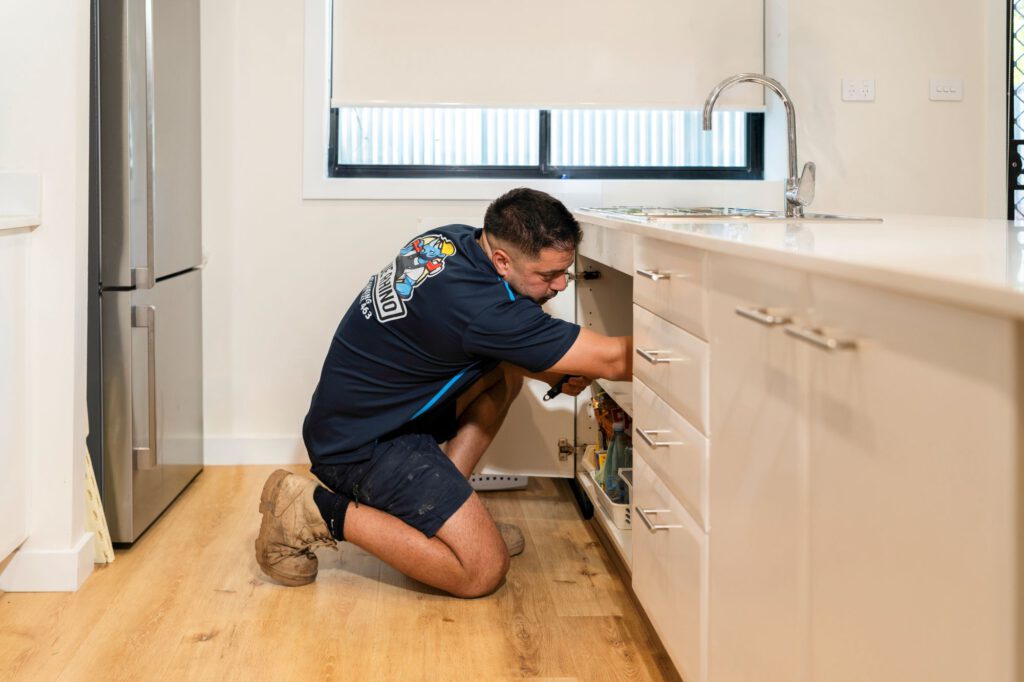
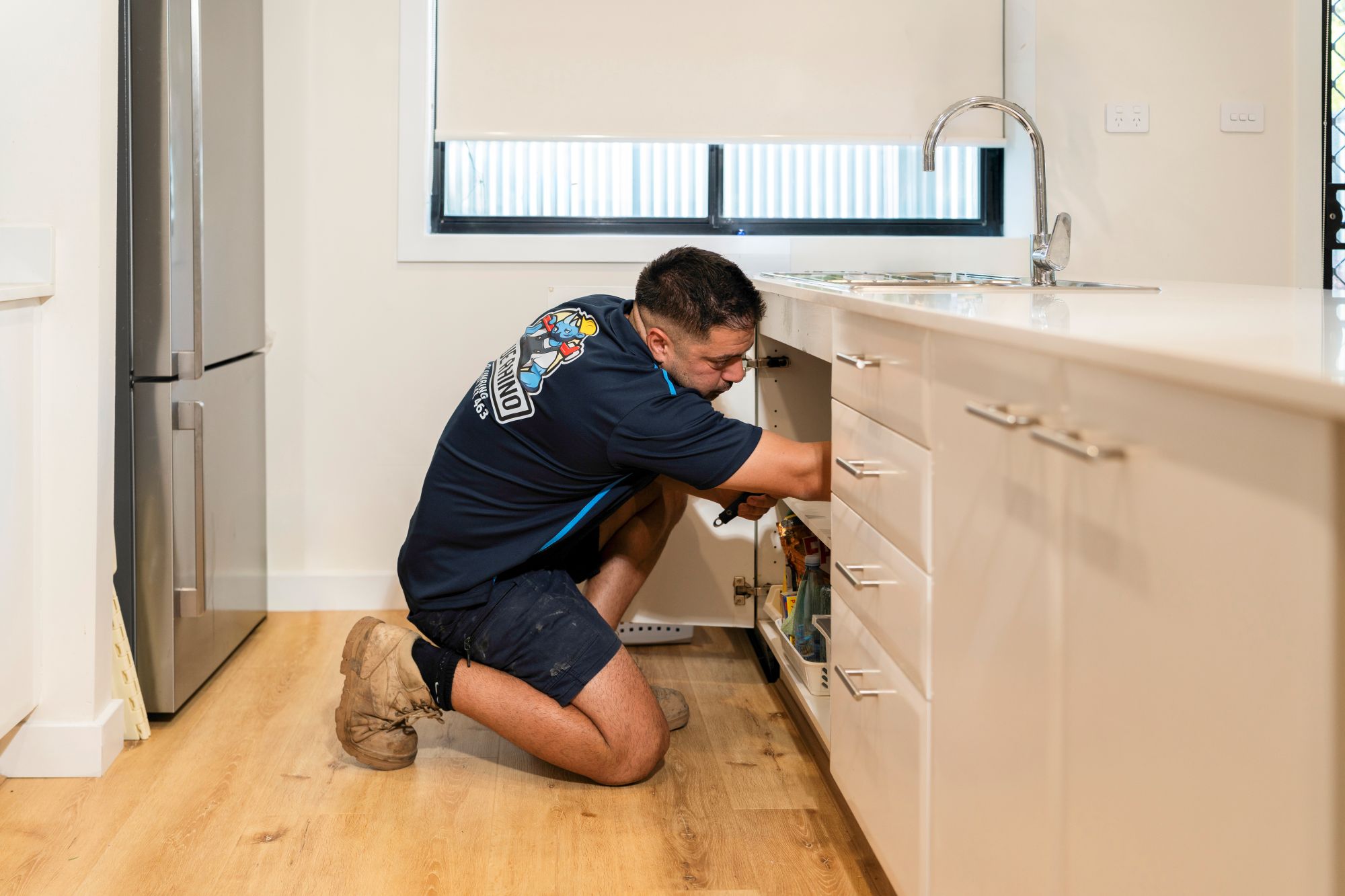
When Blue Rhino Plumbing replaces a filter in a Zip or Billi tap, we ensure that we use the manufacturer's genuine filter specific to that model. While we are under the sink, we also perform several checks:
- Water Supply Connections: We inspect for any leaks or signs of wear.
- Boiling and Chilled Water Temperatures: We assess whether the unit is maintaining proper temperatures.
- CO2 Cylinder on Sparkling Models: We check that it is not on the verge of running out.
If the tap is not heating or cooling properly, this typically indicates an internal fault in the unit. We will advise whether it needs to be returned to Zip or Billi for service. You can learn more about our services for Zip and Billi taps, including installation for renovations and the replacement of older boiling water units.
Understanding the Limitation of a Zip Tap Filter
The filter installed in a HydroTap is designed specifically for that tap, meaning it only purifies the water dispensed from it. Water from adjacent fixtures, such as kitchen mixers, showers, and laundry taps, will continue to flow unfiltered.
If you desire filtered water throughout your home, you will need a different filtration system. A whole-house filter is connected to the main cold water supply, ensuring that every tap, shower, and appliance benefits from filtered water. Our page on home water filter installation explains how these systems function. They come with their own cartridges and change schedules, meaning the 12-month interval for a Zip tap filter does not apply.
Zip Tap Filter Replacement: Frequently Asked Questions
What is the recommended frequency for changing a Zip tap filter?
For most households, the recommendation is to change the filter annually. Zip advises residential customers to replace the HydroTap filter every 12 months, or at its rated capacity, whichever comes first. It is also important to replace the filter when the alert light activates. High-usage households, offices, and areas with significant fine particles in the water may require more frequent changes. Billi recommends 12 months, or 6 months for high-usage sites.
What are the consequences of not changing my Zip tap filter?
Zip warns that failure to replace the filter may result in the internal tank taking longer to fill, and an increase in contaminants in your drinking water as the filter degrades. Billi notes that old filters can accumulate organic matter, leading to biofilm. Zip’s extended warranty is contingent on replacing filters at the recommended intervals using approved cartridges, so neglecting timely changes could impact your coverage.
Can I use a non-genuine Zip tap filter?
According to Zip’s warranty terms, the standard warranty does not cover damage resulting from non-approved parts, including filters. The extended warranty requires the use of cartridges that are approved by Zip and genuine parts. While a cheaper cartridge may fit, it could jeopardise your warranty coverage. Always use the filter specified for your model, which will be detailed in the manual.
Is the filter replacement process for a Billi tap similar?
The timing for Billi filters is comparable. Billi mandates filter replacement every 12 months, or every 6 months for high-usage sites, while filter lifespan can vary based on water quality and usage. The cartridge and replacement process may differ by Billi model, so it’s essential to consult the manual before purchasing a replacement filter.
Blue Rhino Plumbing operates from West Ryde and serves the greater Sydney area, including the Inner West. If your filter light is illuminated, or you are uncertain when the last filter was replaced, please contact Blue Rhino Plumbing. Provide us with the brand and model of your tap, and a photo of the unit under the sink would be beneficial.
Original Article First Published At: How Often Should You Change a Zip Tap Filter?