

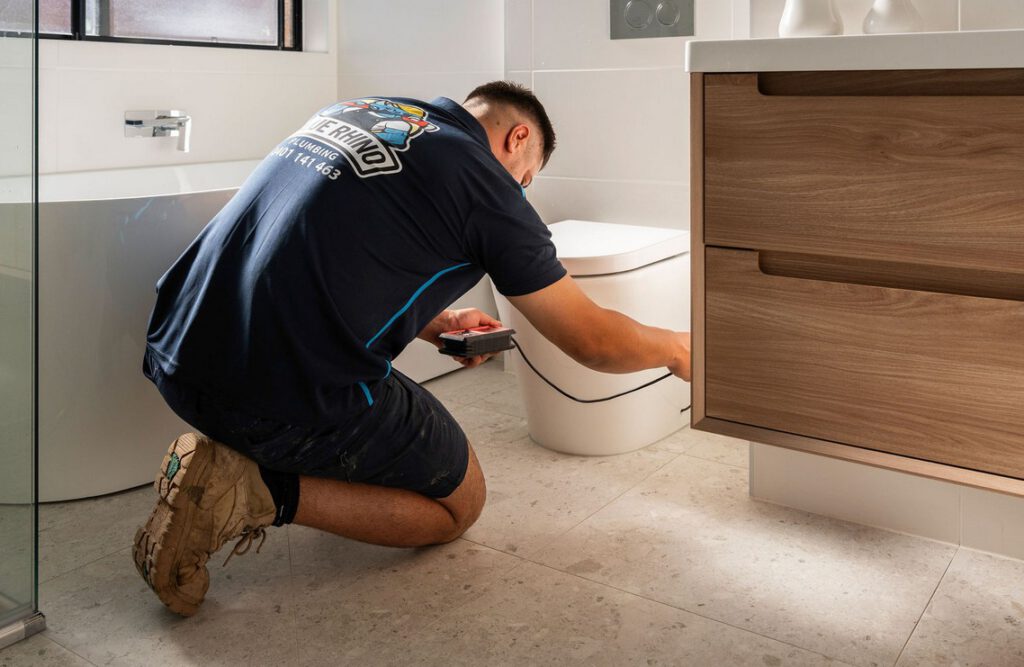
When a parent begins to struggle with getting on and off the toilet, many families consider a raised toilet seat as their first option. This device easily clamps onto the existing toilet bowl, arrives ready to use in a box, and can often be installed by the afternoon. For some households, this solution is perfect. For others, it can become a temporary fix that overstays its welcome.
This brief consolidates all necessary information into one page, enabling families to discuss their options before consulting with an occupational therapist (OT) or a plumber. Print it out and take measurements before making any purchases.
Comparing Raised Toilet Seats and Higher Toilet Options
A raised toilet seat is a quick solution, while a higher toilet pan represents a permanent adjustment to your bathroom. Here’s a comparison of the two options based on the factors families typically consider.
Raised toilet seat (riser):
- Fitting: Most models clamp onto the rim of the existing bowl, allowing the original seat to remain in place.
- Duration of use: Suitable for short-term recovery, trial periods, or situations where the toilet cannot be replaced.
- Shared bathrooms: Others using the bathroom may need to remove the riser, requiring knowledge on how to correctly refit it.
- Maintenance: Requires regular checks for stability and must be cleaned as a separate piece.
- Installation: Ideally, a family member should fit it after guidance from an OT.
Higher toilet pan:
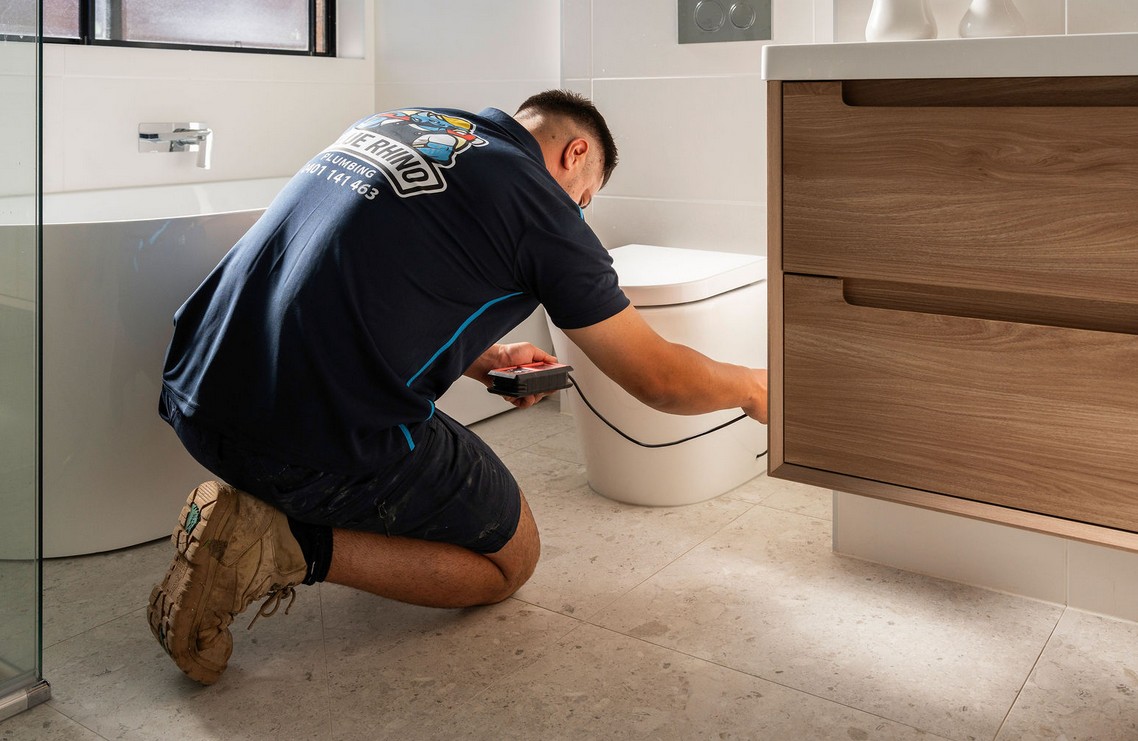
- Fitting: The old toilet is removed and replaced with a taller pan securely fixed to the floor.
- Duration of use: Ideal for long-term needs or for families planning for the future.
- Shared bathrooms: No need to remove or refit, ensuring everyone can use the toilet without complications.
- Maintenance: Remains stable and can be cleaned like any standard toilet.
- Installation: Requires a licensed plumber for fitting.
Further details for each option are provided below, along with sources for reference.
Essential Measurements for a Raised Toilet Seat
Before purchasing a riser or scheduling a plumber, take three crucial measurements using a tape measure. The method outlined here is adapted from Living Made Easy, a UK-based disability equipment advisory service, which offers guidance on modifying your home bathroom.
- Current toilet height: Measure from the floor to the top of the existing toilet seat.
- Person’s leg height: Have the individual sit on a chair with their thighs parallel to the floor and knees bent at approximately a right angle, wearing their usual footwear. Measure from the floor to the back of their thigh, just behind the knee. Round down to the nearest centimetre.
- Height difference: Subtract the first measurement from the second to determine how much additional height is needed for the toilet.
Living Made Easy suggests that the toilet height is appropriate when the individual sits with their thighs parallel to the floor, knees and hips aligned, and feet flat on the ground. Document how they sit and stand as well. Observe if they push up from the seat, reach for the vanity, or grip the towel rail, as these details provide valuable insights for the OT.
For reference, the National Construction Code specifies that the top of the seat should be between 460 mm and 480 mm above the floor for accessible adult change facilities in public buildings. This guideline applies to public spaces, not to private homes. The ideal height in your home is one that suits the user.
When a Raised Toilet Seat Suffices
A raised toilet seat is appropriate for short-term needs, uncertainty, or situations where changing the toilet is not feasible. This is often the case following surgery or when living in a rental property where modifications require landlord approval. A riser also serves as a practical way to assess whether additional height truly benefits the user before committing to permanent changes.
It is important to maintain the riser properly. Living Made Easy advises that a raised seat must be securely attached and checked for movement regularly. Anyone who needs to remove the riser should be trained on how to reinstall it correctly. St Vincent’s Hospital Melbourne emphasizes similar points in their patient guide:
- Pre-use check: Ensure the seat is stable before each use.
- Proper fitting: Secure the clamp against the outside of the bowl for stability.
- Clear surroundings: Remove mats and other potential tripping hazards to reduce the risk of falls.
If the riser shifts frequently, is removed and poorly refitted by family members, or remains in place for an extended period, it may signal the need to explore other options.
When a Permanent Higher Toilet Is the Superior Choice
A permanent higher toilet pan is the preferable option when the need is long-lasting and the bathroom is shared. This fixture is securely installed, eliminating the need for clamps, adjustments, or reinstallation. All users, including visitors and household members, can use the same toilet without any parts being removed. it can be maintained like any standard toilet.
Replacing the toilet pan involves plumbing work. According to the NSW Government, any plumbing work requires a licensed professional, regardless of the cost. The new toilet’s cistern should also be WaterMark certified; the Australian Building Codes Board’s WaterMark Schedule of Products outlines which products require this certification.
For more information on swapping a standard toilet for a higher model, visit our raised height toilets page. If your bathroom requires more than just a new toilet, consider planning those changes collectively. Our article on accessible bathroom design illustrates how to enhance usability while maintaining a stylish appearance.
Incorporating Grab Rails with a Raised Toilet Seat or Higher Toilet
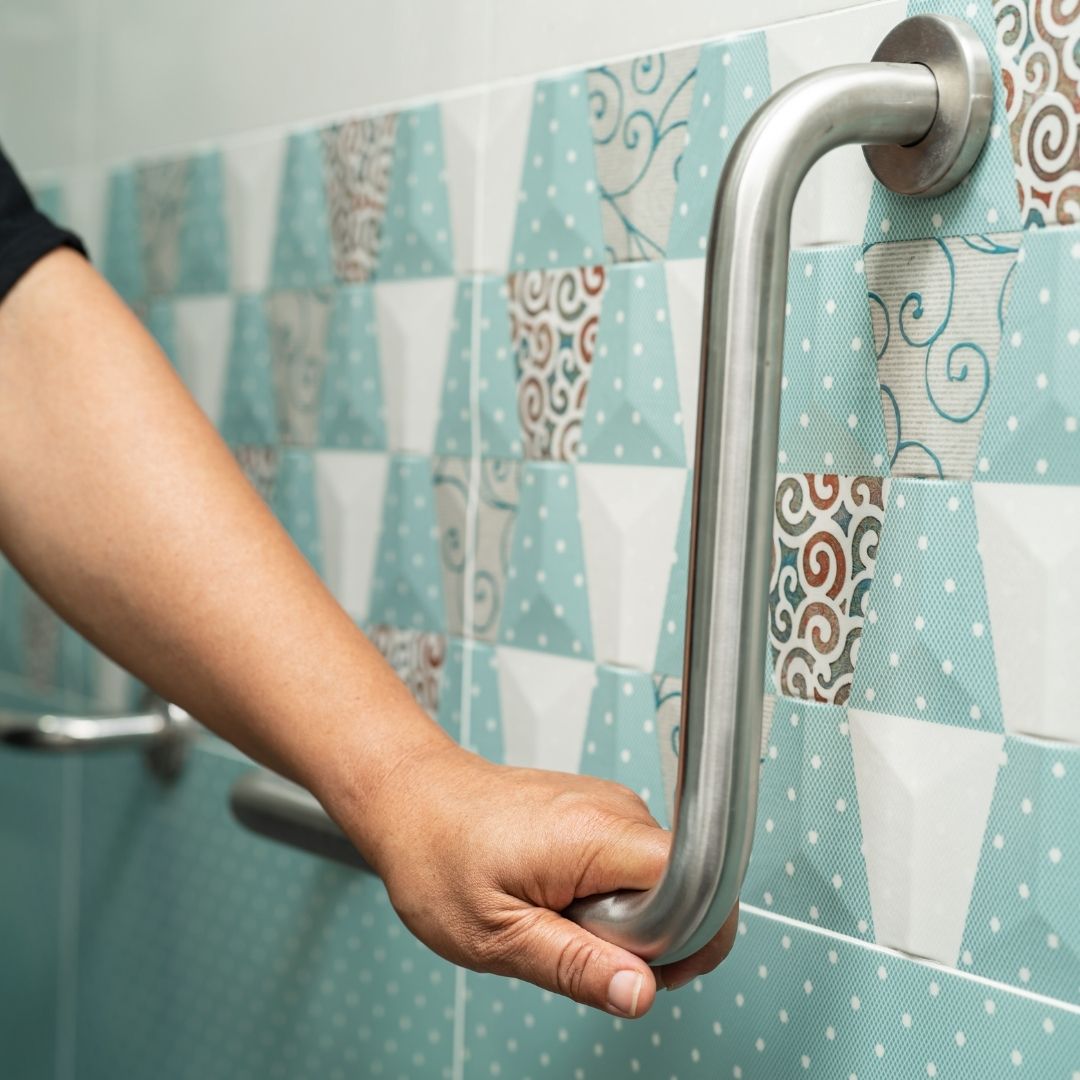
Height assists individuals in sitting down and standing up, while grab rails provide essential support and stability. Some raised seats feature armrests, while frames surrounding the toilet offer additional leverage. Living Made Easy cautions that these supports should not be considered for individuals with weakness on one side unless the frame can be securely anchored to the floor.
A grab rail installed on the wall can complement either the riser or the higher toilet. Living Made Easy poses two important planning questions worth including in your brief: does the user require grab rails, and if so, where should they be positioned? are the walls sturdy enough to support them? The OT can provide guidance on optimal rail placement for the individual. More information on installing bathroom grab rails can be found on our dedicated page.
Present This Raised Toilet Seat Brief to Your OT or Plumber
This brief is most valuable when shared with those responsible for implementing the changes. An OT evaluates the individual's mobility and suggests appropriate equipment. St Vincent’s Hospital Melbourne’s guide highlights that the OT can instruct a caregiver on how to set up a raised toilet seat. A plumber assesses the toilet, flooring, and water connections, providing insight into what a permanent modification entails.
Before either appointment, compile this list onto one page:
- Toilet users: Identify the primary user and any others sharing the bathroom.
- Measurements: Current seat height, the user's leg height, and the height difference needed.
- Sitting and standing habits: Note what the user holds or pushes against, as well as any near misses.
- Duration of need: Specify whether the need is temporary (weeks or months) or permanent.
- Bathroom details: Indicate ownership status, type of toilet, and the solidity of surrounding walls.
- OT recommendations: Document the advised height and grab rail positions if an OT has been consulted.
Having this information readily available facilitates family discussions. For further guidance on the plumbing aspects of enhancing home accessibility, visit our accessible plumbing page. Occupational therapists are encouraged to reach out on behalf of their clients.
Frequently Asked Questions About Raised Toilet Seats
What is the Ideal Toilet Height for Older Adults?
There is no universally correct height for a toilet in a home setting. A practical guideline is that the user should sit with their thighs level and feet flat on the floor. Measure from the floor to the back of the thigh, just behind the knee, while they are wearing their usual shoes. For reference, the National Construction Code specifies a height of 460 mm to 480 mm for accessible adult change facilities in public settings.
Are Raised Toilet Seats Safe for Use?
They can be safe when properly fitted and regularly checked. The clamp should be securely fastened against the bowl, and the seat should be inspected for stability before each use. Ensure that bath mats and other potential tripping hazards are removed. If other household members remove the riser, everyone must know how to reinstall it correctly.
Will a Raised Toilet Seat Fit Our Toilet?
Most raised toilet seats are designed to clamp onto the rim of the bowl, so the shape and size of your toilet bowl are crucial. Consult the manufacturer’s guidelines regarding compatible bowl shapes and measure your toilet before making a purchase. Unusually shaped bowls require extra attention. If a suitable riser is unavailable, a taller toilet pan is the permanent solution.
Should We Consult an Occupational Therapist Before Changing the Toilet?
If someone has experienced a fall, feels unsteady, or exhibits weakness on one side, it is beneficial to seek an OT assessment beforehand. The OT can recommend the appropriate height and the placement of grab rails based on the individual's needs. Bring the OT’s recommendations to the plumber to ensure that the new toilet and rails are correctly installed for the user.
Contact Blue Rhino for Raised Toilet Seat or Higher Toilet Solutions
If your brief indicates a need for a permanent change, Blue Rhino Plumbing can evaluate the toilet, flooring, and walls to explain your options. We are licensed plumbers and bathroom builders based in Ryde, serving the greater Sydney area. Reach out to Blue Rhino Plumbing to schedule a consultation, and have your one-page brief prepared.
Original Article First Published At: Raised Toilet Seat or Raised Height Toilet? A One Page Brief for Families