
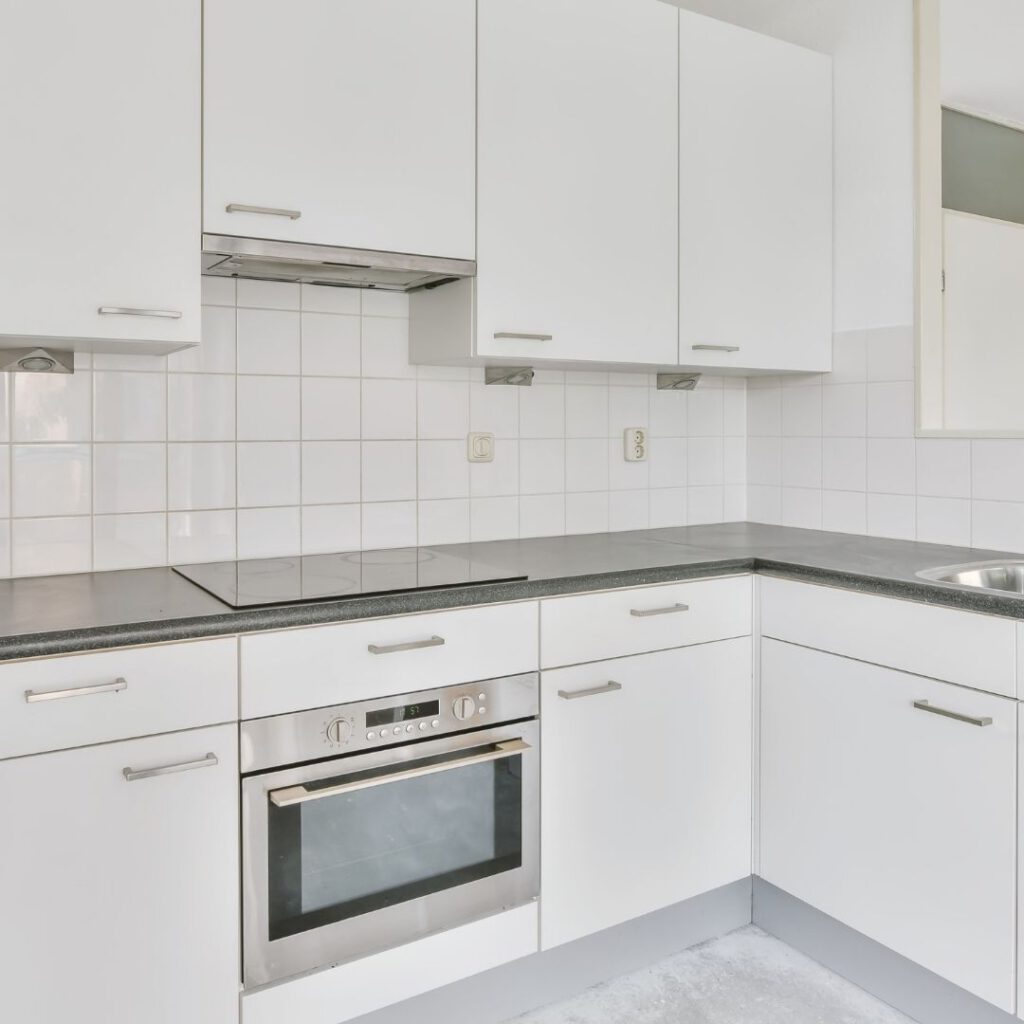
Whether your old oven has completely stopped heating or you're nearing the finish line of a kitchen renovation requiring the oven to be installed, getting the oven set up properly is crucial. The installation process determines if your new appliance operates correctly from the moment it arrives, making it essential to address the electrical work prior to the delivery truck's arrival.
This comprehensive guide details the checks an electrician performs before and during the installation of an oven or cooktop in Coffs Harbour, Bellingen, and the wider Mid North Coast. It also outlines the legal requirements in NSW regarding who is authorised to carry out the wiring and what documentation you should receive once the job is complete.
- In NSW, any electrical wiring work must be conducted by, or under the supervision of, a licensed electrician.
- The Building Commission NSW mandates that a Certificate of Compliance for Electrical Work is necessary even when replacing an old oven or cooktop with a similar model.
- Older homes in the Mid North Coast often require a switchboard or supply assessment before a larger oven or induction cooktop can be installed.
- Scheduling the electrician prior to the oven's delivery prevents a completed kitchen from being unusable.
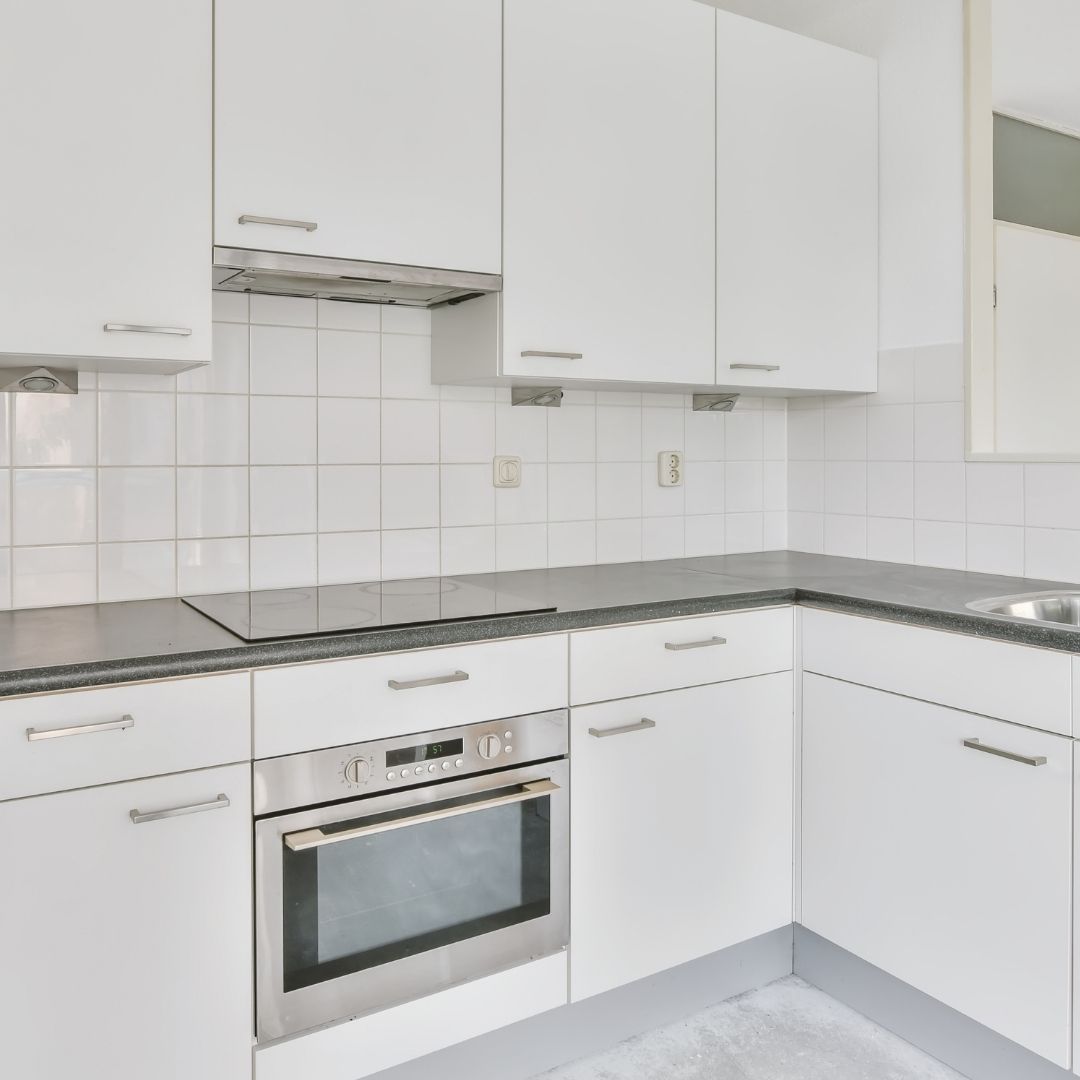
Is an Electrician Required for Oven Installation in NSW?
Absolutely, for any oven that is hardwired into the house. As per the electrical compliance requirements set by the NSW Government, it is a legal obligation that all electrical wiring work is performed by, or under the supervision of, a licensed electrician. Their guidelines on electrical safety in the home caution against undertaking DIY electrical work, labelling it as both dangerous and illegal.
Westinghouse reinforces this message on their product installation page, stating that only a licensed electrician is qualified to install an electric oven or cooktop due to the involvement of electrical circuits and multiple wires. They differentiate between a connection, which involves plugging an appliance into an existing power supply, and an installation, which entails fitting the appliance into cabinetry and connecting it to the electricity supply.
To begin, understand how your new oven will connect. The installation manual and the data plate on the oven provide the necessary electrical connections required. If the oven needs to be hardwired or if you're disconnecting an old wired oven, this qualifies as electrical work, necessitating a licensed electrician.
Is a Compliance Certificate Required When Replacing an Old Oven with a Similar Model?
Yes, it is required. An advisory note released in August 2026 by Building Commission NSW clarifies when a Certificate of Compliance for Electrical Work must be submitted. It specifies that a certificate is mandatory for any electrical work that installs, repairs, modifies, or alters electrical equipment, which includes like-for-like replacements of ovens and cooktops.
Commonly referred to as a CCEW, the advisory note stipulates that the electrician must submit this certificate within seven days of completing the work, including any safety and compliance testing. Since 1 July 2026, all CCEWs in NSW must be lodged via the BCNSW eCert portal, and electricians can include your email address to ensure you receive a copy automatically upon submission.
Why is this paperwork important? The NSW Government highlights that a CCEW assists customers with warranty claims for the installed electrical appliance. If the new oven encounters any issues, the certificate serves as evidence that a licensed electrician connected it and tested the circuit. Keep this certificate safe alongside the oven manual and receipt.
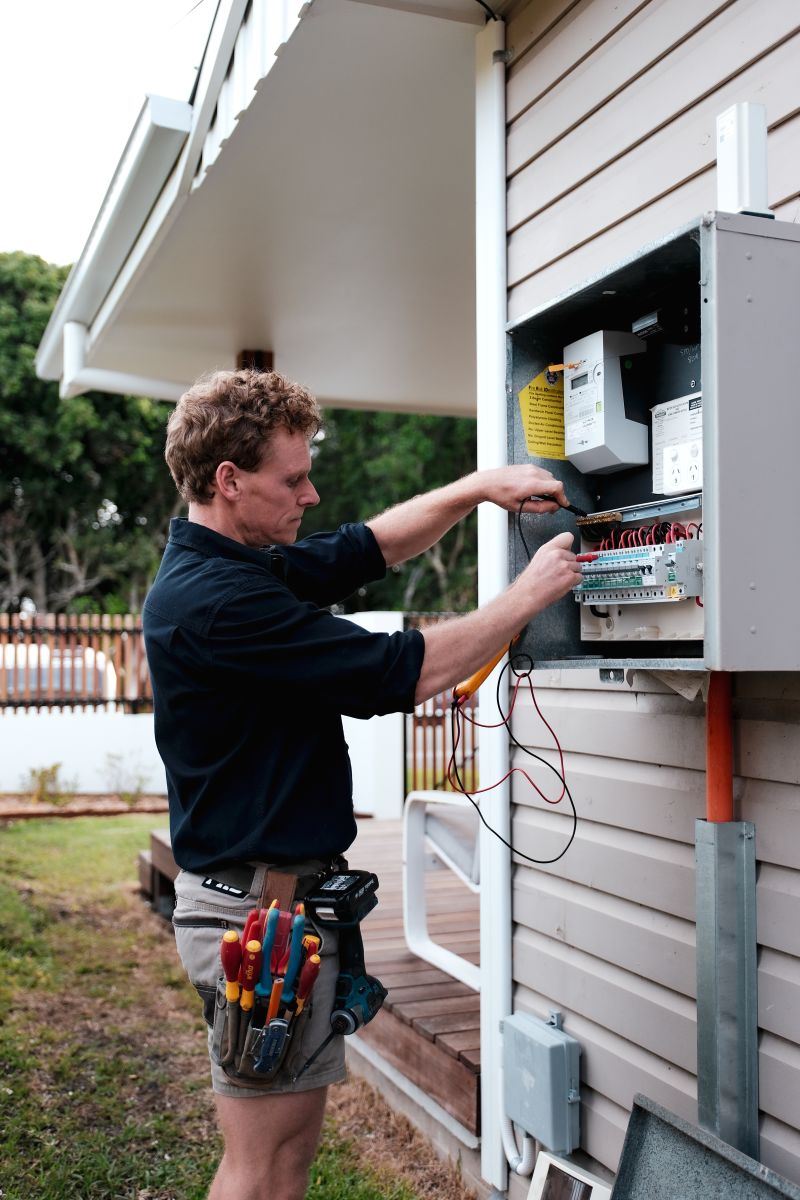
What Does an Electrician Assess Before Your New Oven Arrives?
According to Westinghouse, an electrician must evaluate your current wiring to ensure it meets the requirements of the new oven or cooktop, as newer models frequently demand more robust circuitry. On the Coffs Coast, this assessment typically covers four key areas within the home.
- The data plate and installation manual of the new oven, which detail its power requirements and necessary connections.
- The existing circuit that serviced the old oven, including the size of the cable and the type of circuit breaker in use.
- The switchboard, specifically whether there is a spare way available for a new circuit and if the current circuit is equipped with safety switch protection.
- The isolation switch, which allows the oven to be turned off independently without accessing the switchboard.
If the new oven requires more power than the previous one, the existing cable or circuit breaker may not suffice. The electrician will compare the oven’s power rating against the circuit and inform you if the current wiring can remain or if a new circuit is necessary.
The NSW electrical safety guide also recommends asking the electrician to inspect the condition of your switchboard and confirm whether a safety switch is installed. This is an ideal time to address these concerns since the electrician is already working at the switchboard.
Why Older Homes in the Mid North Coast May Require More Extensive Oven Installation Work
The NSW Government strongly advises individuals residing in properties built before 2000 to have a licensed electrician assess their wiring. When scheduling an oven installation in an older home, two factors often expand the scope of the work.
First, the switchboard may be outdated. Many older homes in Bellingen and Coffs Harbour still utilise a ceramic fuse board, which lacks the capacity to accommodate additional circuits. If the new oven or cooktop necessitates its own circuit, an upgrade to the switchboard is typically required beforehand.
Second, the electrical supply to the home may not be sufficient to handle the increased load from a new kitchen. If the existing mains cannot support additional demand, the supply will require an upgrade, which is classified as Level 2 electrical work in NSW. Hack-It Electrical Solutions is Level 2 accredited, ensuring that the same electrician can manage the supply upgrade without needing to contract another service.
Addressing these issues before the oven’s arrival is far more manageable. Discovering on delivery day that the switchboard lacks spare capacity can result in a new oven being left in its box while a follow-up visit is organised.
Installing a Cooktop Simultaneously with the Oven
When replacing the cooktop alongside the oven, the installation follows the same regulations as the oven installation: it is classified as electrical work, requires a licensed electrician, and necessitates a CCEW upon completion.
An induction cooktop, in particular, requires more extensive planning than simply swapping out an oven. A four-zone induction cooktop can draw 7 kilowatts or more when all zones are in use, exceeding the capacity of a standard power circuit. an induction cooktop requires its own dedicated circuit, complete with a separate cable running from the switchboard, its own circuit breaker, and safety switch protection. More details about the wiring for induction cooktops and ovens can be found on the relevant installation page.
If you are transitioning from gas, the gas installation is a separate trade. Westinghouse emphasises that only a licensed gas fitter or plumber is qualified to install gas appliances. The electrician will run the new circuit, connect the cooktop, and certify the electrical work, while a licensed gas fitter will ensure the old gas point is rendered safe.
When Is the Best Time to Schedule Your Oven Installation During a Kitchen Renovation?
The ideal time to reach out to the electrician is during the planning phase, prior to installing cabinetry. If the electrician is informed about the oven and cooktop models early on, the necessary wiring can be run within the wall while the kitchen remains open. This approach is tidier than running cables after the benchtops are installed and ensures the isolation switch is positioned conveniently rather than wherever there happens to be space.
A straightforward sequence of tasks for most kitchen renovations typically includes the following:
- Select the oven and cooktop, and keep the model numbers and installation manuals handy.
- Book an electrician to evaluate the switchboard, electrical supply, and existing kitchen circuits.
- Have any new circuits installed while the walls and cabinets are exposed.
- Schedule the final connection for the day the oven and cooktop are delivered.
- Obtain your CCEW once the electrical work has been tested and lodged.
For a direct replacement without any renovation, a similar principle applies, albeit on a smaller scale. Provide the electrician with the model number of the new oven ahead of its delivery, enabling any circuit issues to be identified before the old oven is removed.
How to Verify That Your Oven Installer Is a Licensed Electrician
The NSW electrical safety guide recommends that homeowners verify that the electrician holds a current licence before agreeing to any work. This includes checking the licence number against the public register. It is also advisable to ensure that the person who arrives at your home is indeed the licence holder.
Hack-It Electrical Solutions possesses NSW Fair Trading licence 496991C and is a Level 2 Accredited Service Provider, number 7530. Based in Bellingen, the business has over 17 years of experience in the electrical industry, serving homes across the Coffs Coast and Nambucca Valley.
Schedule Your Oven Installation with Hack-It Electrical Solutions in Coffs Harbour and Bellingen
Hack-It Electrical Solutions offers oven and cooktop installation services for homes in Coffs Harbour, Bellingen, Sawtell, Nambucca Heads, and the surrounding Mid North Coast region. Prior to your oven installation, we assess the oven’s specifications in relation to the circuit and switchboard, explain any necessary wiring or switchboard modifications, and lodge your CCEW once the work has been completed and tested.
Contact us at 0402 079 803 with the model number of your new oven or cooktop, or send the details via our contact page, and we will arrange a suitable time that aligns with your delivery date.
Common Questions About Oven Installation
Can I Install My Own Oven in NSW?
Not if the oven is hardwired into the house. NSW law stipulates that electrical wiring must be performed by, or under the supervision of, a licensed electrician. The NSW Government warns that DIY electrical work is both dangerous and illegal. Only a licensed electrician can connect a hardwired oven and submit a compliance certificate.
Is a Compliance Certificate Required for a Replacement Oven?
Yes, it is. The Building Commission NSW states that a Certificate of Compliance for Electrical Work is necessary for like-for-like replacements of ovens and cooktops. The electrician must submit this certificate within seven days of completing and testing the work, and a copy can be emailed to you.
Will My Old Oven Circuit Work with a New Oven?
It may or may not. Westinghouse notes that newer models often require enhanced circuitry. The electrician will compare the power rating listed on the new oven’s data plate with the existing cable and circuit breaker, advising you whether the current circuit can remain or if an upgrade is necessary.
Can the Oven and Induction Cooktop Share a Single Circuit?
No, an induction cooktop requires its own dedicated circuit and cannot be shared with power points or the oven. A four-zone induction cooktop can draw 7 kilowatts or more, and sharing a circuit can lead to nuisance tripping when multiple zones are in use.
Who Handles the Gas Disconnection When Switching to an Electric Cooktop?
A licensed gas fitter or plumber is responsible for managing the gas-related aspects. The electrician will install the new circuit, connect the electric or induction cooktop, and certify the electrical work, while a licensed gas fitter will ensure the old gas point is safely disconnected.
References
- NSW Government, Building Commission NSW, When to Submit a Certificate of Compliance for Electrical Work (CCEW), advisory note 2/2026, retrieved 2026-11-11.
- NSW Government, Electrical Compliance Requirements, retrieved 2026-11-11.
- NSW Government, Electrical Safety in the Home, retrieved 2026-11-11.
- Westinghouse Australia, Product Installation, retrieved 2026-11-11.
Original Article First Published At: Oven Installation on the Coffs Coast: What Your Electrician Checks Before the New Oven Arrives | Hack-It Electrical Solutions