
Gas ducted central heating efficiently heats an entire home from a single unit, distributing warm air through a network of ducts to vents in every room. This system remains popular in Melbourne residences, yet it can be costly to operate due to its reliance on gas and electricity for the fan. Before committing to a new gas ducted heater, it's essential to evaluate it against a reverse cycle ducted system, which provides both heating and cooling through the same vents.
- Operational Process: A gas heater warms the air using a heat exchanger, while a fan circulates the heated air through ducts to the vents in each room.
- Cost of Operation: According to the Australian Government's energy.gov.au, ducted gas heating is known for its high running costs.
- Alternative Solution: Reverse cycle air conditioners generate one unit of electricity to produce three to six units of heating or cooling.
What Is the Functionality of Gas Ducted Central Heating?
A gas ducted heating system consists of a central heater linked to a series of insulated ducts. The heater warms the air, and a fan pushes it through the ducts to vents located in the floor or ceiling of each room. A return air grille collects cooler air, directing it back to the heater for reheating.
Here's the sequence of events when the heating system activates:
- Air Intake: A fan pulls air from the home into the central heater via the return air grille.
- Heating Process: The air circulates over a heat exchanger that is heated by burning natural gas.
- Air Distribution: The warmed air flows through the insulated ducts and is released through the vents in each room.
- Temperature Regulation: A thermostat monitors the room temperature, turning the heater on and off to maintain your selected setting.
Where Should You Install a Gas Ducted Central Heater in Your Home?
As per energy.gov.au, a ducted gas heater can be positioned beneath the floor, in the ceiling, or adjacent to an external wall. The heat is then distributed through ducting either in the ceiling or under the floor. The location of the heater and ducts is determined by the home's construction and the feasibility of running ducts through the roof space or subfloor.
In Melbourne, most homes have their ducting installed in the ceiling, although some feature floor vents connected to the subfloor. If you are replacing an existing system, the position of your current vents will indicate what type of system you have.
What Are the Running Costs of Gas Ducted Central Heating?
The Australian Government's energy.gov.au guide indicates that ducted gas heaters can be expensive to operate due to their substantial gas consumption and the electricity required to power the fans. The guide also highlights that the purchase and installation costs can be significant.
Despite its costs, gas ducted heating has advantages. It heats effectively and can be zoned, allowing you to warm only the rooms in use. it exclusively provides heat, meaning a separate cooling system is necessary for summer months.
Why Are Homeowners in Melbourne Opting for Reverse Cycle Ducted Heating Over Gas?
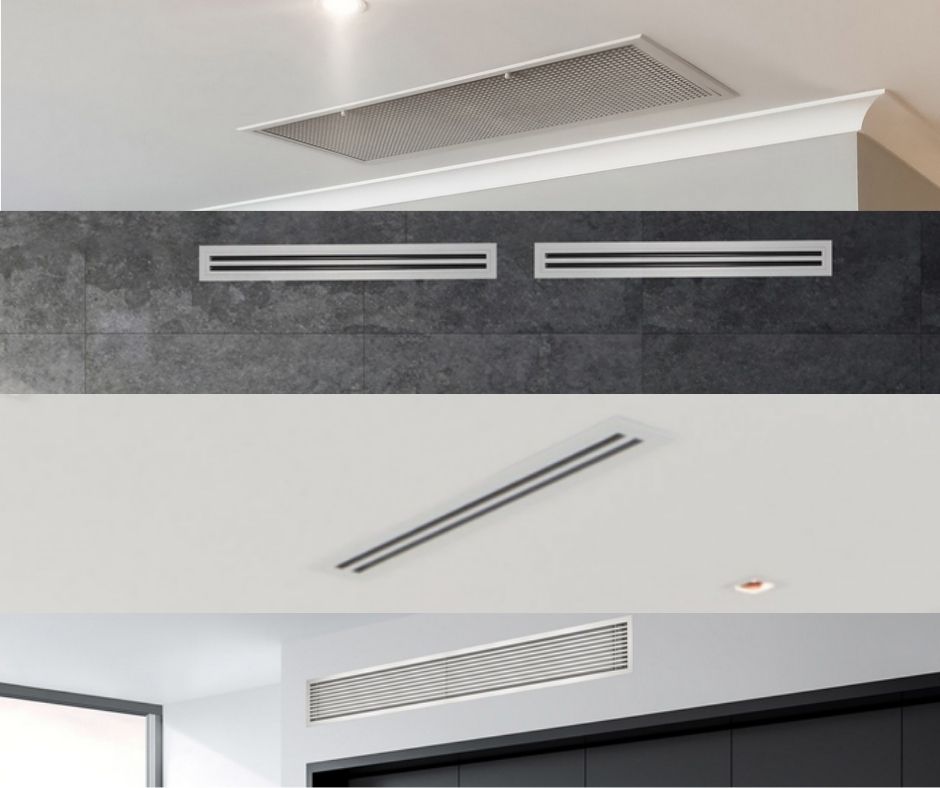
Reverse cycle ducted heating offers both heating and cooling from a single system and operates on electricity rather than gas. Energy.gov.au reports that reverse cycle air conditioners available in Australia are between 300% and 600% efficient, as they transfer heat instead of generating it. This means one unit of electricity can yield three to six units of heating or cooling.
Although ducted reverse cycle systems may be slightly less efficient than wall-mounted units due to the use of larger fans and potential energy loss through ductwork, energy.gov.au confirms that they are generally more cost-effective than gas heating. If your home incorporates solar panels, the system can also run on self-generated power.
For this reason, we recommend that anyone considering a new gas ducted heater also obtains quotes for electric ducted heating before making a final decision. You can compare both options in our comprehensive guide on ducted gas versus reverse cycle systems in Melbourne.
How Do You Determine the Right Size for Ducted Central Heating in Your Home?
It is crucial for a ducted heating system to align with the size and construction of your home. An undersized system may leave certain rooms uncomfortably cold during winter, while an oversized system will incur excessive purchase and running costs. Energy.gov.au advises homeowners to consult AIRAH’s FairAir website for guidance on determining the required capacity.
Several features of your home influence the heating requirements:
- Insulation Quality: Well-insulated ceilings and walls retain heat more effectively.
- Type of Flooring: Certain flooring materials allow heat to escape more quickly than others.
- Window Size and Orientation: Large windows and their positioning can impact how swiftly rooms lose heat.
- Ceiling Height: Rooms with high ceilings require more energy to warm due to increased air volume.
Our detailed guide on sizing ducted heating in Melbourne offers further insights, while our tips on selecting a ducted heating system will help you navigate your options.
Is Zoning Possible with Ducted Central Heating?
Absolutely. Both gas ducted and reverse cycle ducted systems can be configured into zones, allowing you to heat only the areas of the house that are actively in use. Energy.gov.au mentions that ducted gas heating can be zoned to target specific rooms, and the same flexibility applies to reverse cycle ducted systems.
A common zoning strategy is to heat living areas during the day and bedrooms at night. By closing off unused rooms, the system avoids expending energy on unoccupied spaces.
What Thermostat Settings Help Minimise Heating Costs?
According to energy.gov.au, increasing the winter heating setting by just one degree can raise energy consumption by 5% to 10%. Lowering the thermostat by a degree or two, coupled with wearing warmer clothing, is one of the most straightforward ways to reduce heating expenses.
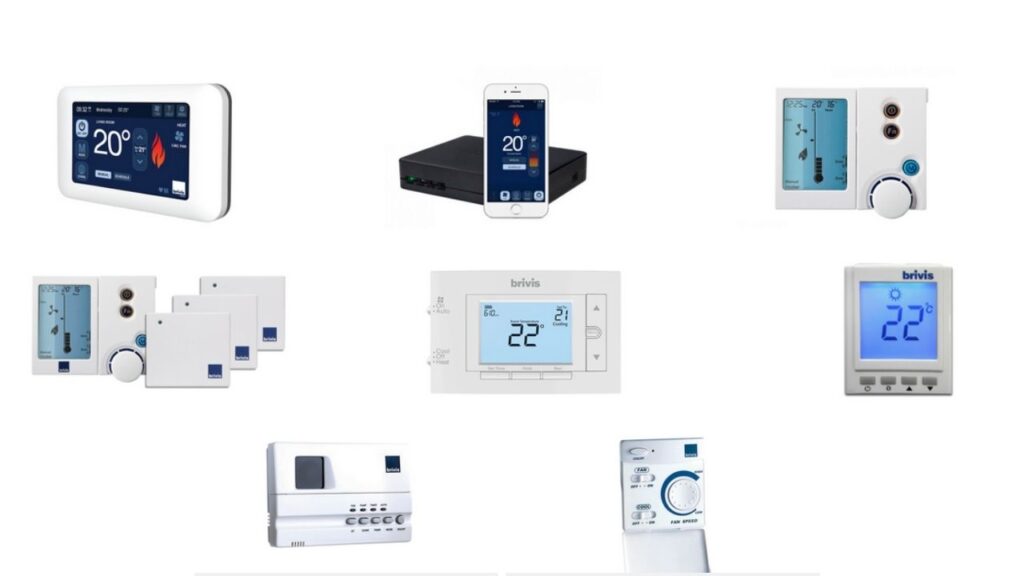
Modern wall controllers simplify this process. Many allow you to manually adjust the temperature, select active zones, and establish a weekly schedule so the home warms up shortly before your arrival.
What Are the Benefits of Replacing Gas Ducted Heating with Reverse Cycle?
When Beyond Heating and Cooling replaces gas ducted heating, we systematically remove the old gas heater and install a new reverse cycle ducted system. The existing vents remain in their original positions, and we install new ducting connecting to the same outlet points in the ceiling or floor, ensuring there are no unsightly patches or new cut-outs.
Victorian residents switching from gas to an eligible reverse cycle system may qualify for the Victorian Energy Upgrades rebate, reducing the installation cost. Our page on the VEU rebate explains the process, while our section on transitioning from gas ducted heating to electric heating outlines the systems we offer and their pricing.
Professional Ducted Central Heating Installation in Melbourne by Beyond Heating and Cooling
Beyond Heating and Cooling provides expert installation of new ducted air conditioning and heating systems throughout Melbourne. Our qualified team is licensed for both refrigerant and gas work. If your gas ducted heater is aging, or if you're planning heating for an upcoming renovation, reach out to us at 1800 239 663 or send us a message. We will assess your home, discuss suitable options, and provide a quote for the recommended system.
Original Article First Published At: Installing A Gas Ducted Central Heating