

What is the Recommended Frequency for Eye Tests?
Healthdirect recommends that most individuals should undergo an eye test every 2 to 3 years. if you have conditions such as diabetes, high blood pressure, or a family history of eye diseases, you might need to schedule tests more frequently. It's essential to seek an appointment sooner if you notice any changes in your vision.
Many people tend to delay eye tests, especially when their current glasses still seem adequate. certain eye conditions can progress silently, developing without noticeable symptoms. Regular eye examinations can detect these issues early on, before they become serious. This guide outlines the recommended testing frequency for adults, children, and those with specific risk factors, as well as what to expect during an eye exam at Eyes By Design in Kincumber.
Key Points to Remember:
- General Adult Population: Eye tests every 2 to 3 years, as advised by healthdirect.
- Individuals with Diabetes: Regular eye tests every 1 to 2 years, according to healthdirect's guidelines.
- Family History of Glaucoma: Glaucoma Australia suggests an eye examination every 2 years starting at age 40.
- Children: A comprehensive eye examination before commencing school, followed by tests every 2 to 3 years throughout their schooling, as recommended by Optometry Australia.
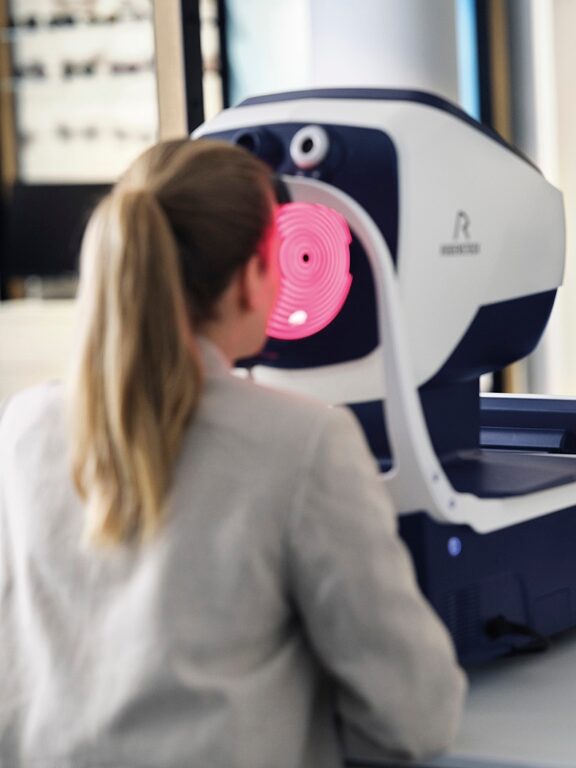
What is the Recommended Frequency for Eye Tests in Adults?
According to healthdirect, individuals aged 40 and above should have an eye test every 2 to 3 years. Those with risk factors, including diabetes, high blood pressure, or a family history of eye conditions, should consider more frequent examinations. those over 65 or experiencing any eye symptoms or vision changes should schedule an eye test.
These recommended intervals serve as a guideline. During your examination, we assess your vision prescription, overall eye health, and personal history to provide tailored recommendations for your next eye test. If we identify any concerns, we may suggest appointments sooner than the general guidelines recommend. For more information, visit our adult eye examinations page, which details our approach to eye tests through various life stages.
Why is an Eye Test Necessary if Your Vision Appears Normal?
Regular eye tests are crucial for identifying potential issues before they become apparent. Healthdirect highlights that conditions such as glaucoma, cataracts, and macular degeneration can often develop without noticeable symptoms. Early detection facilitates prompt treatment. an eye examination can determine if glasses or contact lenses would enhance your vision at various distances.
Glaucoma Australia notes that glaucoma can progress slowly and without symptoms, leading many to remain unaware of its presence until significant damage has occurred. For more information, visit our glaucoma page and our guide to common eye conditions.
When Should You Schedule an Eye Test Sooner?
If you experience any changes, do not wait for your next scheduled eye test. Healthdirect recommends making an appointment if you notice any symptoms or alterations in your vision. Symptoms that warrant an eye test include:
- Blurry Vision: Difficulty seeing print, road signs, or television clearly.
- Headaches: Frequent headaches that occur after reading or using screens. Our article on blurry vision and headaches provides further insights.
- Eye Discomfort: Feelings of strain, itchiness, or excessive tearing, especially after a long day at work.
- Reading Difficulties: Struggling to read the same line repeatedly, losing your place, or reading at a slower pace.
- Challenges with Close Work: Needing to hold your phone or menu further away to read, as discussed on our page regarding age-related focusing changes.
If you are aware of a family history of eye conditions, please mention this during your booking so your optometrist can consider it in your examination.

What is the Recommended Frequency for Eye Tests for Individuals with Diabetes?
Individuals diagnosed with diabetes should undergo eye tests every 1 to 2 years, as outlined on healthdirect's diabetic retinopathy page. For those with type 1 diabetes, the first eye test should occur 2 to 5 years post-diagnosis. For individuals with type 2 diabetes, an eye examination should be conducted at the time of diagnosis.
Healthdirect also recommends consulting an optometrist or your healthcare provider promptly if you experience any changes in your vision. Our article on diabetes and eye health provides further details on how diabetes can impact eye health.
What is the Recommended Frequency for Eye Tests if There is a Family History of Glaucoma?
Glaucoma Australia advises that all Australians aged 50 and older should consult an optometrist every 2 years for a comprehensive eye examination. If you have a family history of glaucoma or belong to Asian or African descent, an eye check should begin every 2 years from age 40.
According to Glaucoma Australia, individuals with a direct family member who has glaucoma are ten times more likely to develop the condition themselves. Understanding your family history is vital; if you are unsure, inquire with relatives and share any findings with us.
What is the Recommended Frequency for Children's Eye Tests?
Optometry Australia recommends that all children receive a complete eye examination with an optometrist before starting school, followed by regular assessments every 2 to 3 years throughout primary and secondary education. Their Good Vision for Life guide highlights that approximately one in five Australian children has an undiagnosed vision issue.
Children may not realise their vision is not normal and often do not communicate any problems. For further information on what we assess during a child's eye test, visit our children’s eye examinations page. If your child is short-sighted, our myopia page outlines how we assist in managing this condition.
What to Expect During an Eye Test at Eyes By Design?
Healthdirect explains that during an eye examination, the optometrist will inquire about your overall health and family medical history before conducting various tests to assess your eyes. Not every individual requires all tests, as the specific assessments depend on your health and risk factors. An eye test may include:
- Visual Acuity: Assessing how well you see detail at varying distances by reading letters, numbers, or shapes on a chart.
- Refraction: Testing different lenses to determine the appropriate prescription for your vision needs.
- Eye Pressure: A quick puff of air to measure the pressure inside your eyes, as elevated pressure may indicate glaucoma.
- Examination of the Back of the Eye: Evaluating your retina, blood vessels, and optic nerve. If pupil dilation drops are used, you may experience temporary blurred vision.
At Eyes By Design, we capture images of your eyes during each appointment to track changes over time. We ensure longer consultations and explain each aspect of the examination as it progresses. After completing the eye test, we review the results with you and discuss your options. If you require care from an ophthalmologist, we will facilitate the referral. For more details on our approach, visit our Vision Done Properly page.
Frequently Asked Questions About Eye Tests
Is it Possible to Have More Than One Eye Test in a Year?
Absolutely. If you notice changes in your vision or experience any symptoms, healthdirect encourages you to schedule an eye test without delay. The Medicare rebate operates on its own schedule: healthdirect indicates that when an optometrist bulk bills, Medicare covers one eye test every 3 years for individuals under 65 and one eye test annually for those over 65. For more information on our fees and Medicare rebates, visit our optometrist’s fee page.
Is a Referral Required for an Eye Test?
No, healthdirect confirms that you do not need a doctor's referral to see an optometrist for an eye test. You can schedule an appointment directly with us.
Does Medicare Provide Coverage for Glasses?
No, healthdirect states that Medicare does not cover the cost of glasses or contact lenses. If you have private health insurance, you may be eligible to claim these expenses, depending on your insurer and the level of coverage you hold.
Schedule Your Next Eye Test at Eyes By Design in Kincumber
If it has been over 2 years since your last eye test or if you've noticed changes in your vision, now is an excellent time to book your appointment. Eyes By Design is located in Kincumber on the Central Coast, and you can easily book your eye test appointment online.
Original Article First Published At: How Often Should You Get an Eye Test? Expert Advice by Age and Risk from Eyes By Design in Kincumber