

A foul-smelling drain in your Wollongong residence is often more than just an annoying odour. It typically indicates trapped waste, a dry water trap, or a blocked vent that allows sewer gas to enter your home. Here’s a detailed look at the causes and the right time to contact a licensed plumber for assistance.
What Causes My Drain to Smell? Immediate Insights
The unpleasant odours from drains are commonly the result of trapped food particles, soap scum, organic matter accumulation, a dry or malfunctioning water trap, or bacteria present in the drain line. To remedy this, flush the drain with boiling water and vinegar, clear the trap, and restore water seals. If the odour persists, consult a licensed plumber to investigate potential deeper blockages or sewer gas leaks.

Identifying the Sources of Smelly Drains in Wollongong Homes
1. Accumulation of Organic Matter in the Drainpipe
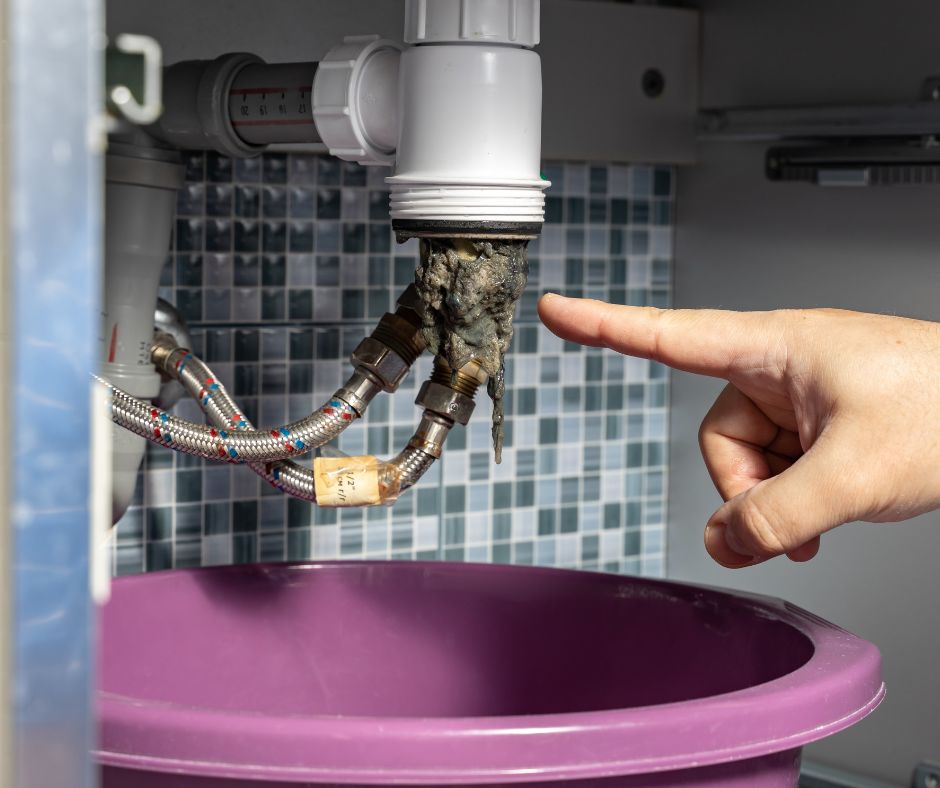
Over time, food scraps, soap, grease, and hair can build up in the drain. This organic matter decomposes and fosters bacteria growth, resulting in that unpleasant sulphur-like or musty odour.
2. Dysfunctional or Dry Water Trap (P-Trap or S-Trap)
The water trap located beneath sinks or floor drains is designed to retain water, which prevents sewer gases from escaping. If it dries out due to infrequent use or is improperly installed, gas can escape directly into your living space.
3. Obstructed Vent Pipes
Plumbing vents serve to regulate pressure and direct sewer gas safely out through the roof. If these vents become blocked by debris such as leaves, bird nests, or rust, gas can be forced back down into your drains.
4. Cracked or Deteriorated Pipes
Older plumbing systems, prevalent in Wollongong’s established neighbourhoods, can develop cracks or shift over time. This allows gas to escape along the piping or permits debris to accumulate and form stagnant areas.
5. Improper Installation of Appliances
A washing machine or dishwasher that lacks a correct trap or has an open-ended drain hose can allow unpleasant odours to escape directly into the room. This is a frequent issue seen with DIY installations.
Simple Solutions You Can Implement Yourself
Flush the Drain
Pour boiling water followed by a mixture of vinegar and bicarbonate soda into the smelly drain. Allow it to fizz for 10 to 15 minutes, then flush again with hot water. This process helps break down organic matter.
Inspect the Trap
Remove and clean the U-bend trap located under sinks if accessible. Wear gloves, as it is likely to be filled with hair, sludge, or grease.
Replenish the Water Trap
If a drain has not been used for some time (like in a guest bathroom or floor waste), pour a few cups of water down to restore the water seal.
Improve Ventilation
Utilise fans or open windows to disperse any gases until the issue is resolved. Avoid using chemical drain cleaners, as they can exacerbate pipe corrosion over time.
When Is It Necessary to Contact a Licensed Plumber?
If unpleasant smells persist despite your cleaning efforts, or multiple drains in your home are affected, it is time to consult a professional. Ongoing odours may suggest:
- A blocked main drain line
- A breach in sewer pipework
- A defective or collapsed P-trap
- A ventilation issue within walls or ceiling cavities
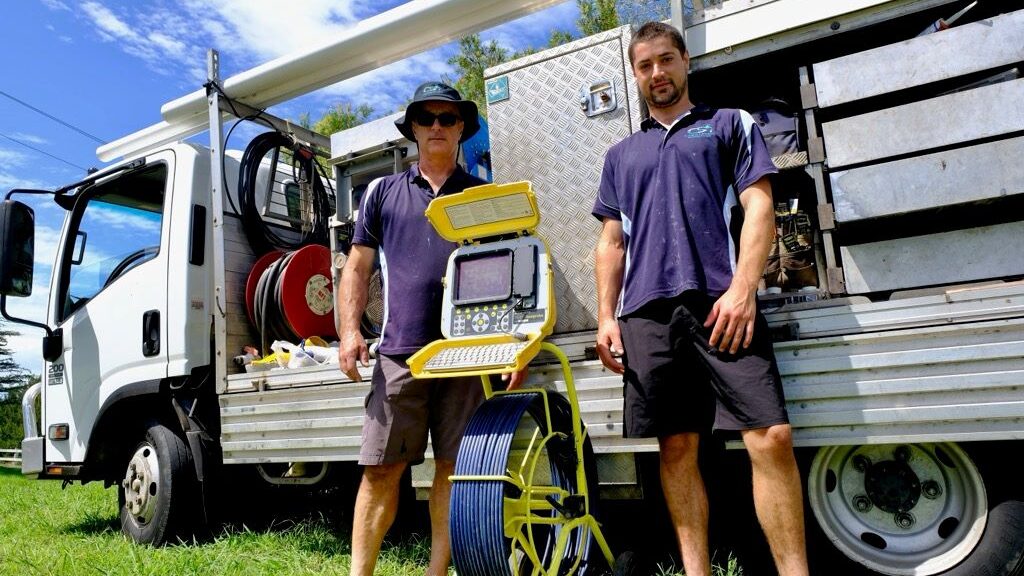
A licensed plumber will employ inspection cameras or smoke testing to accurately identify the source of the problem. For homes exposed to salt air or with ageing pipes, scheduling a comprehensive drain inspection is advisable to catch minor issues before they escalate into major repairs.
In urgent situations, such as sewage odours infiltrating living areas, our emergency plumbing service is available 24/7 throughout the Illawarra region.
Strategies to Prevent Drain Smells in the Future
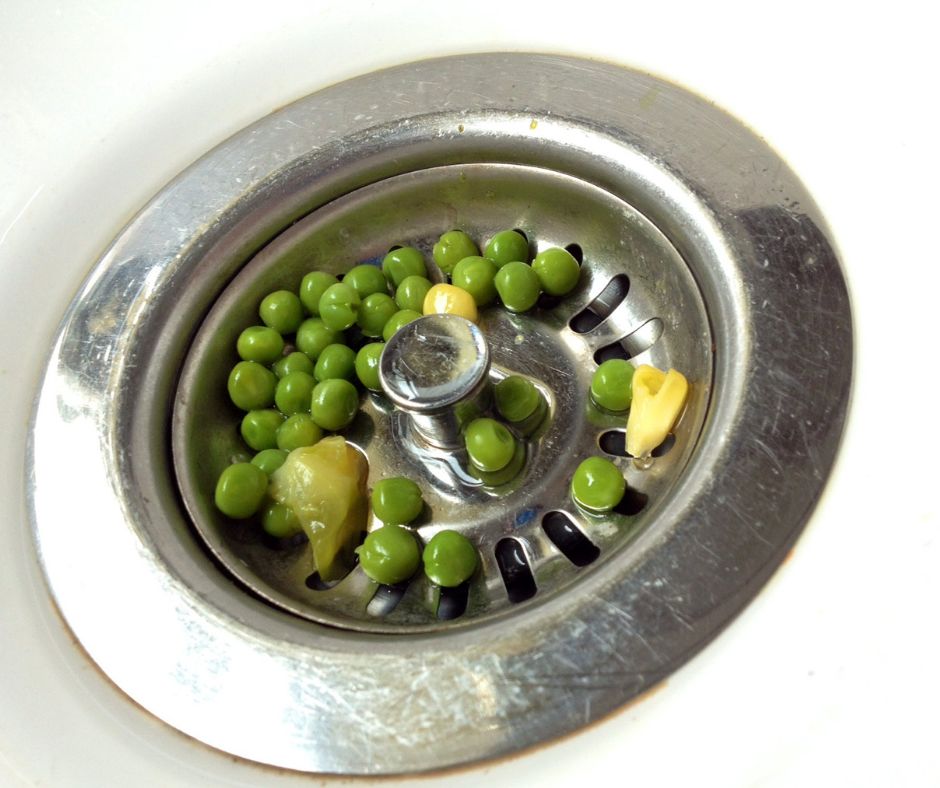
- Avoid pouring grease or oils down the kitchen sink
- Clean drain strainers on a weekly basis
- Run boiling water through bathroom and laundry drains monthly
- Seasonally flush less-frequented drains to maintain water seals
- Schedule an annual plumbing inspection with a licensed local provider
Essential Guidance for Wollongong Homeowners
Unpleasant drain odours are more than a mere nuisance. They indicate potential issues such as trapped waste, missing seals, or even leaks and ventilation problems that could escalate into serious health or structural concerns.
In Wollongong, where newer estates meet older homes, foul smells often stem from simple build-up but may also highlight deeper issues concealed behind walls or beneath concrete.
Do not simply mask the smell. Identify the underlying cause and address it directly. If your DIY efforts do not yield results, trust a licensed plumber like those at CS Plumbing Services, who understands the specific construction of your home and can ensure its safety.
Common Questions About Drain Smells
Why Does My Drain Continue to Smell After Cleaning?
A drain that retains an unpleasant odour after cleaning typically indicates a dry water trap or a blocked vent pipe, rather than just superficial build-up. While cleaning can remove visible debris, it does not resolve a trap that has lost its water seal or a vent that is allowing gas to re-enter the pipe. If the smell returns within a couple of days, this pattern is significant. Contact us if the issue persists.
Is a Smelly Drain a Health Hazard?
It can be. Sewer gases may contain hydrogen sulphide and methane, which can be unpleasant at low levels and pose serious health and safety risks at higher concentrations. A lingering smell that lasts more than a few days, or affects several rooms, should be assessed by a licensed plumber rather than masked with air fresheners.
Can I Resolve a Smelly Drain on My Own?
Yes, for common causes. Flushing the drain with boiling water and vinegar, cleaning an easily accessible trap, and replenishing the water in a seldom-used floor waste are all safe DIY actions. If the smell persists after these attempts, or if you cannot access the trap, it is time to contact a licensed plumber.
What Is the Cost of Inspecting a Smelly Drain?
The cost varies depending on the complexity of the issue and whether a camera inspection is required. Simple problems with a trap or vent are usually quick to diagnose and resolve, while a suspected pipe break will require a thorough inspection first. Contact us for a quote based on the specific situation at your property.
How Long Will It Take to Fix a Smelly Drain?
Most instances of smelly drains can be resolved in a single visit. Simple tasks such as clearing a trap or replenishing a water seal are quick to perform once we arrive on site. more complex issues, such as a cracked pipe or a blocked vent within a wall cavity, may require a follow-up visit to ensure proper resolution.
When Should I Contact a Plumber Instead of Attempting Repairs Myself?
Reach out to a licensed plumber if the unpleasant smell continues after cleaning and flushing the trap, if multiple drains in the house are affected, or if you notice gurgling, slow drainage, or damp patches appearing alongside the odour. These signs may indicate a blocked main line or damaged pipes that require proper inspection rather than a DIY fix.
Original Article First Published At: Why Your Drain Smells and How to Fix It Permanently


It’s interesting how something as seemingly minor as a foul-smelling drain can reveal deeper issues in our homes. In my experience, addressing these odours promptly not only improves our living environment but can also save us from more significant plumbing issues down the line.