


Steam cleaning has long been regarded as the preferred method for sofa cleaning, and in numerous instances, it holds true. However, it is crucial to understand that steam cleaning isn’t universally suitable for every sofa, nor is it the best choice for every situation. Factors such as the type of fabric, environmental conditions, and even the time of year can significantly influence the effectiveness of steam cleaning.
With over 40 years of experience in cleaning sofas and lounges throughout Sydney, Wollongong, and the Southern Highlands, we have identified a common error among homeowners: neglecting the importance of drying conditions. Many people focus solely on the cleaning process and overlook how critical it is for the sofa to dry properly after cleaning. Ensuring that the drying process is effectively managed is essential to maintain the integrity of your furniture.
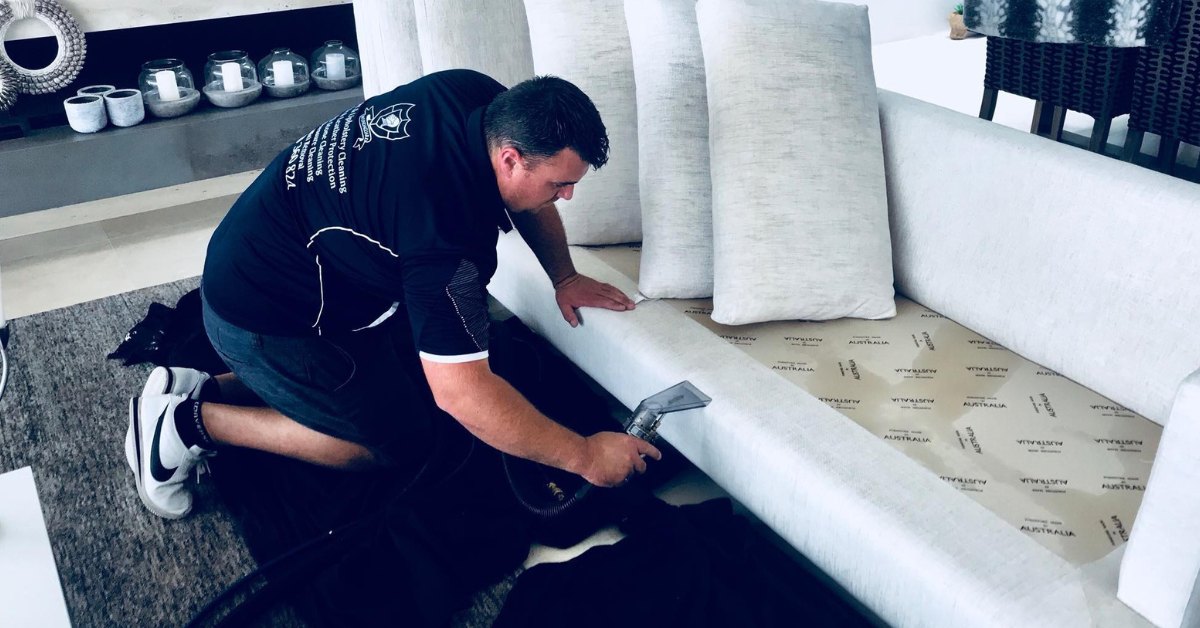
Understanding the Differences Between Steam Cleaning and Dry Cleaning for Sofas
Steam cleaning, which is also referred to as hot water extraction, employs moisture to effectively lift and extract dirt and grime from deep within the fabric fibres. When executed correctly and under optimal conditions, steam cleaning can yield impressive results, leaving your sofa looking refreshed.
Nonetheless, it is vital to recognise that not all fabrics, home environments, or weather conditions are conducive to steam cleaning. For example, certain delicate fabrics can be adversely affected by the high moisture levels associated with steam cleaning. Therefore, it is essential to understand the limitations and potential risks involved. Our policy at Wundaguard is to never use steam cleaning for mattresses, as the risks far outweigh the benefits.
When it comes to professional furniture cleaning, a thorough assessment is a non-negotiable first step before any cleaning commences or any machines are activated. This evaluation helps determine the best approach tailored to each unique piece of furniture.
The Critical Role of Drying Time in Effective Sofa Cleaning
The primary concern with steam cleaning isn’t the cleaning process itself; rather, it lies in what transpires after the cleaning is completed. If a sofa remains damp for an extended period, it can give rise to serious issues that affect both the furniture and your living environment.
Prolonged drying times can lead to:
- unpleasant damp or musty odours
- the potential for mould or mildew growth within the cushions
- moisture becoming trapped in the internal padding
- distortion or stiffness of the fabric
- an increased risk of bacteria proliferation
The likelihood of these risks escalates significantly when:
- the humidity levels are elevated
- ambient temperatures are low
- air circulation is inadequate
- the sofa is positioned against walls or in confined areas
- windows cannot be opened for ventilation
- homes depend heavily on heating rather than proper ventilation
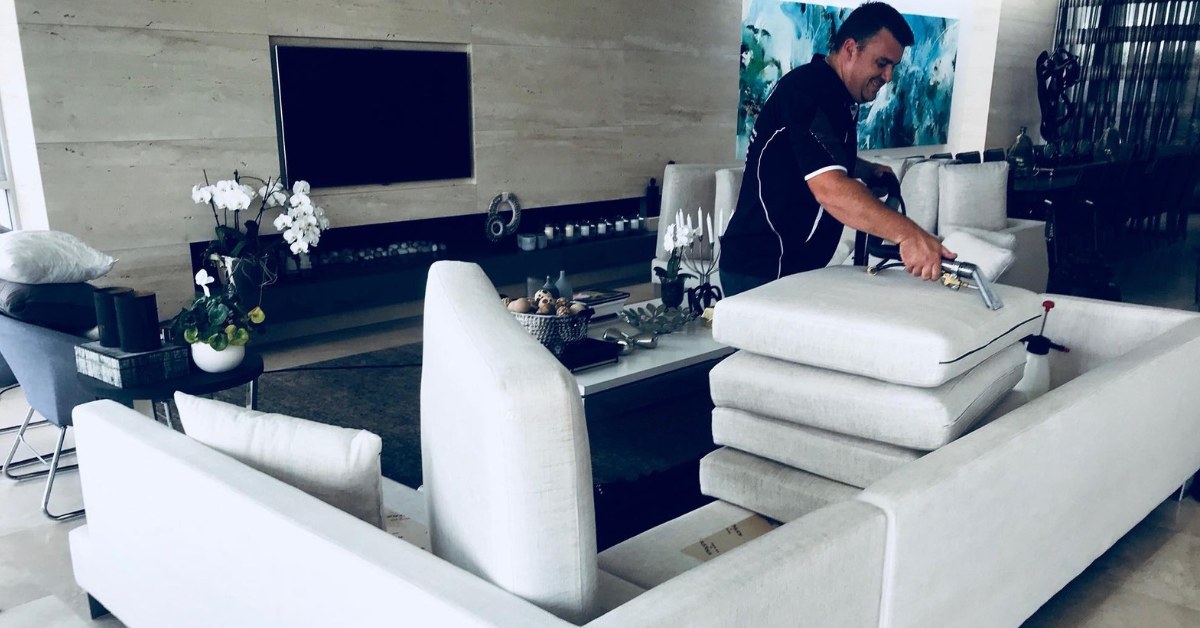
How Weather Conditions Influence Sofa Cleaning Outcomes
Professional cleaners must take into account the environmental conditions on the day of cleaning, not just the type of fabric being treated. High humidity levels or cold weather can dramatically hinder evaporation rates, potentially leaving your furniture damp for significantly longer than the recommended drying time, sometimes even up to 24 hours or more.
At Wundaguard, when we encounter suboptimal drying conditions, we may advise opting for dry or low-moisture sofa cleaning instead. This alternative method allows us to clean your sofa effectively while minimising the risk of long-term damage due to excessive moisture.
Our ultimate objective is not just to provide a clean sofa; we aim for a safe, completely dry, and healthy result that does not lead to secondary issues down the line.
How Wundaguard Determines the Most Suitable Cleaning Method
Every sofa undergoes an individual assessment to determine the best cleaning approach. We take into consideration various factors, including:
- the type of fabric
- colourfastness of the material
- construction and padding characteristics
- degree of soiling
- location of the sofa within the home
- ventilation availability
- current temperature and humidity levels
Based on our thorough evaluation, we select one of the following:
- Steam Cleaning: appropriate for durable fabrics and optimal drying conditions
- Dry / Low-Moisture Cleaning: recommended for delicate fabrics, humid conditions, or limited airflow scenarios
This adaptable approach is precisely why furniture retailers trust Wundaguard with their brand-new lounges and high-value pieces of furniture.
Understanding the Importance of Your Furniture Investment
Sofas represent a significant financial investment. Incorrect cleaning methods or inadequate drying processes can severely shorten their lifespan and diminish their aesthetic appeal over time.
Choosing a cleaning provider who possesses a deep understanding of fabric science, environmental conditions, and long-term care can have a profound impact on how long your furniture lasts and how it continues to look throughout its lifespan.
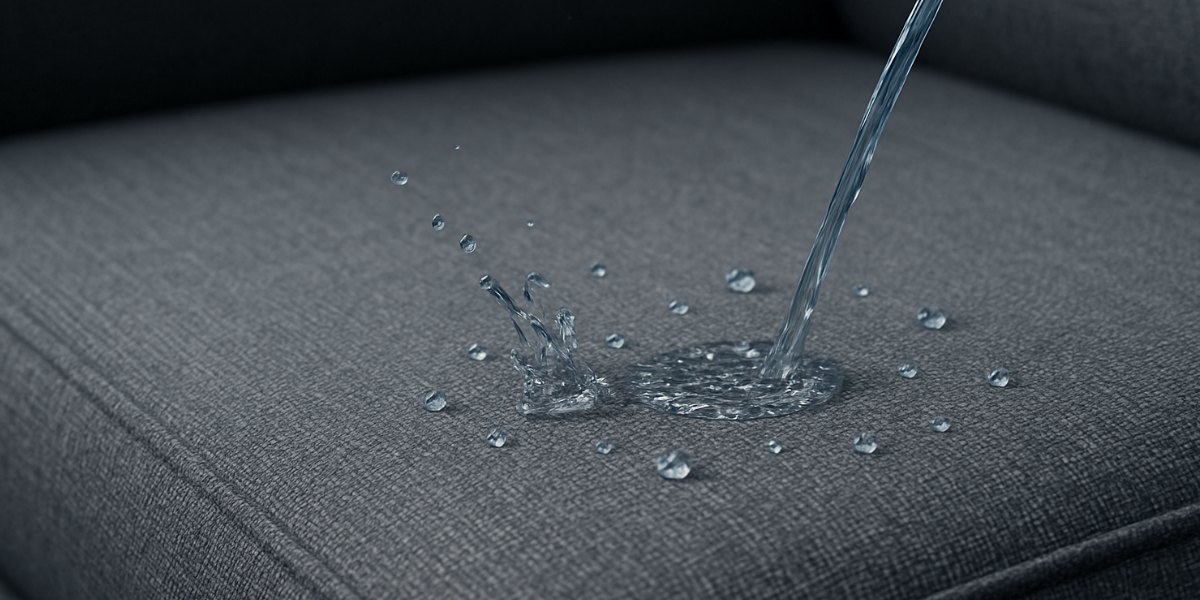
Implementing Fabric Protection: A Smart Step After Cleaning
Once your sofa has been thoroughly cleaned and allowed to dry completely, fabric protection is the recommended next step to take. This additional layer of protection offers numerous benefits.
Fabric protection:
- helps to repel spills and stains effectively
- reduces the absorption of moisture into the fabric
- shortens drying time after future accidents
- facilitates easier routine maintenance
- provides UV resistance to combat fading
- helps to limit the growth of odour-causing bacteria
This protective measure is especially beneficial in households with children, pets, or high-traffic seating areas where wear and tear is more likely to occur.
The Key Takeaway: Effective Sofa Cleaning Requires Expertise Beyond Equipment
While anyone can establish a furniture steam cleaning business and claim they have the ability to clean your couch, the reality is that experience matters. With 40 years of expertise in the field, we at Wundaguard know precisely which cleaning method is best for your specific furniture needs.
We do not impose steam cleaning in situations where it is not appropriate. Our focus is on selecting the method that best protects your sofa, aligns with the environmental conditions, and ensures the best long-term outcomes for your furniture.
Frequently Asked Questions About Couch Steam Cleaning
Is steam cleaning safe for all types of sofas?
No, steam cleaning is not suitable for all sofas. While it can be effective on some durable, colourfast fabrics, delicate or natural fibres may require dry or low-moisture cleaning methods to avoid potential damage, shrinkage, or excessive wetting of the fabric.
Why is drying time important after steam cleaning a sofa?
Drying time is crucial because prolonged dampness can lead to moisture being trapped in the sofa's padding. This can result in unpleasant odours, mould growth, or bacterial build-up, all of which can negatively impact both the fabric and the indoor air quality of your home.
Does weather affect the results of sofa steam cleaning?
Yes, weather conditions play a significant role in the effectiveness of sofa steam cleaning. High humidity, cold temperatures, and poor ventilation can greatly prolong drying times. Professional cleaners should consider these factors before opting for steam cleaning to prevent leaving your furniture in a damp state.
When is dry sofa cleaning the preferred choice?
Dry or low-moisture cleaning is typically the better option when drying conditions are unfavourable, ventilation is limited, or the fabric of the sofa is delicate. This method allows for effective cleaning without saturating the upholstery.
How do professionals determine whether to use steam or dry cleaning?
Professionals conduct a comprehensive assessment that takes into account fabric type, colourfastness, level of soiling, ventilation, temperature, and humidity. The safest and most effective cleaning method is chosen based on these crucial factors, rather than for convenience.
Should fabric protection be applied after cleaning a sofa?
Absolutely. Applying fabric protection is advisable as it helps repel spills, reduces moisture absorption, and simplifies future cleaning. It also contributes to extending the life of your sofa by safeguarding the fibres from stains, wear, and UV-induced fading.


It’s fascinating to see how the choice between steam cleaning and dry cleaning can have such significant implications for maintaining our sofas and overall home environment. I completely agree with the point about fabric compatibility—I’ve made the mistake of using steam cleaning on a delicate upholstery in the past, and the damage was heartbreaking. It really drives home the idea that what works for one piece of furniture may not work for another, and it highlights the importance of doing a bit of research beforehand.
It’s interesting to see how cleaning methods for sofas can reflect not just our personal habits, but also broader themes in home care and maintenance. Your insights about the nuances of steam cleaning versus dry cleaning illuminate just how vital fabric compatibility and environmental factors are in achieving the best results. I’ve often found myself in the dilemma of wanting my sofa to look spotless while also ensuring that I don’t inadvertently damage it.
It’s interesting to see how the choice between steam cleaning and dry cleaning can really hinge on so many factors. In my experience, fabric type can make all the difference. For instance, when I had my microfiber sofa cleaned, steam cleaning worked wonders, but my friend had a similar experience with her velvet couch, and the steam left it looking rather sad and matted.
You really hit the nail on the head with the drying conditions! It’s like baking a cake — you can have the most decadent batter, but if you pull it out of the oven too soon, you’re just left with a gooey mess. I once made the mistake of steam cleaning my sofa on a particularly humid day. Let’s just say, my couch turned into a damp sponge that had me questioning my life choices — and the integrity of my fabric!
It’s interesting how those drying conditions can really shape the outcome of what we’re working on. Your cake analogy is spot on. The timing and environment matter a lot. I can imagine your couch turned into a damp sponge felt frustrating, especially after putting in the effort to clean it.
It’s fascinating to see how much the cleaning method can impact the longevity and appearance of our sofas. I recently learned that the fabric’s composition plays such a critical role in determining the right cleaning technique. My own experience with a wool blend sofa really highlighted this; steam cleaning seemed appealing, but I hesitated after discovering that the heat could potentially cause it to shrink.
Your insights on the importance of drying conditions really resonate with me. I’ve had my fair share of sofa cleaning mishaps, particularly when I opted for steam cleaning without considering the fabric compatibility or the humidity in the air. I learned the hard way that a plush velvet sofa, while lovely, does not handle moisture well.
Your insights on choosing between steam cleaning and dry cleaning for sofas are really thought-provoking. I’ve often leaned toward steam cleaning, believing it to be the safest option. However, I never really considered how fabric compatibility or even the time of year could play such a crucial role. Living here in a humid climate, I can see how that might affect drying time and the overall cleaning process.
It’s interesting how the choice between steam cleaning and dry cleaning often comes down to the specific fabric type and environmental factors. I’ve always leaned towards steam cleaning for its ability to thoroughly sanitize, but I’ve also had my share of mishaps—like that time I used it on a delicate velvet sofa and ended up with water stains. It really highlights the importance of understanding your fabric’s characteristics.
The discussion about choosing between steam cleaning and dry cleaning for our sofas is an incredibly pertinent one. I’ve often found myself contemplating the best ways to maintain the comfort and beauty of my own furniture, and it’s fascinating how the cleaning method can not only affect the appearance but also the longevity of the fabric.
I totally get where you’re coming from! Selecting the right cleaning method can be a bit of a puzzle, especially with the variety of fabrics out there. I once tried steam cleaning my fabric sofa without checking the care tags, and let’s just say, it didn’t end well—some areas got a bit fuzzy and discolored. It really drives home the point about fabric compatibility!
It’s interesting to see the spotlight on steam cleaning versus dry cleaning for sofas, especially given how often these choices can be overwhelming for homeowners. In my experience, the type of fabric really does make a significant difference, something often overlooked until it’s too late. For example, I had a lovely microfiber sofa that I mistakenly opted to steam clean without checking its compatibility first. The result? A bunch of water spots that took ages to dry out and ultimately damaged the fabric’s finish.
It’s intriguing to consider how often we overlook the critical importance of drying conditions when cleaning our sofas. I’ve experienced firsthand the consequences of rushing the drying process after steam cleaning — it can lead to musty smells and even mold if not done properly.